
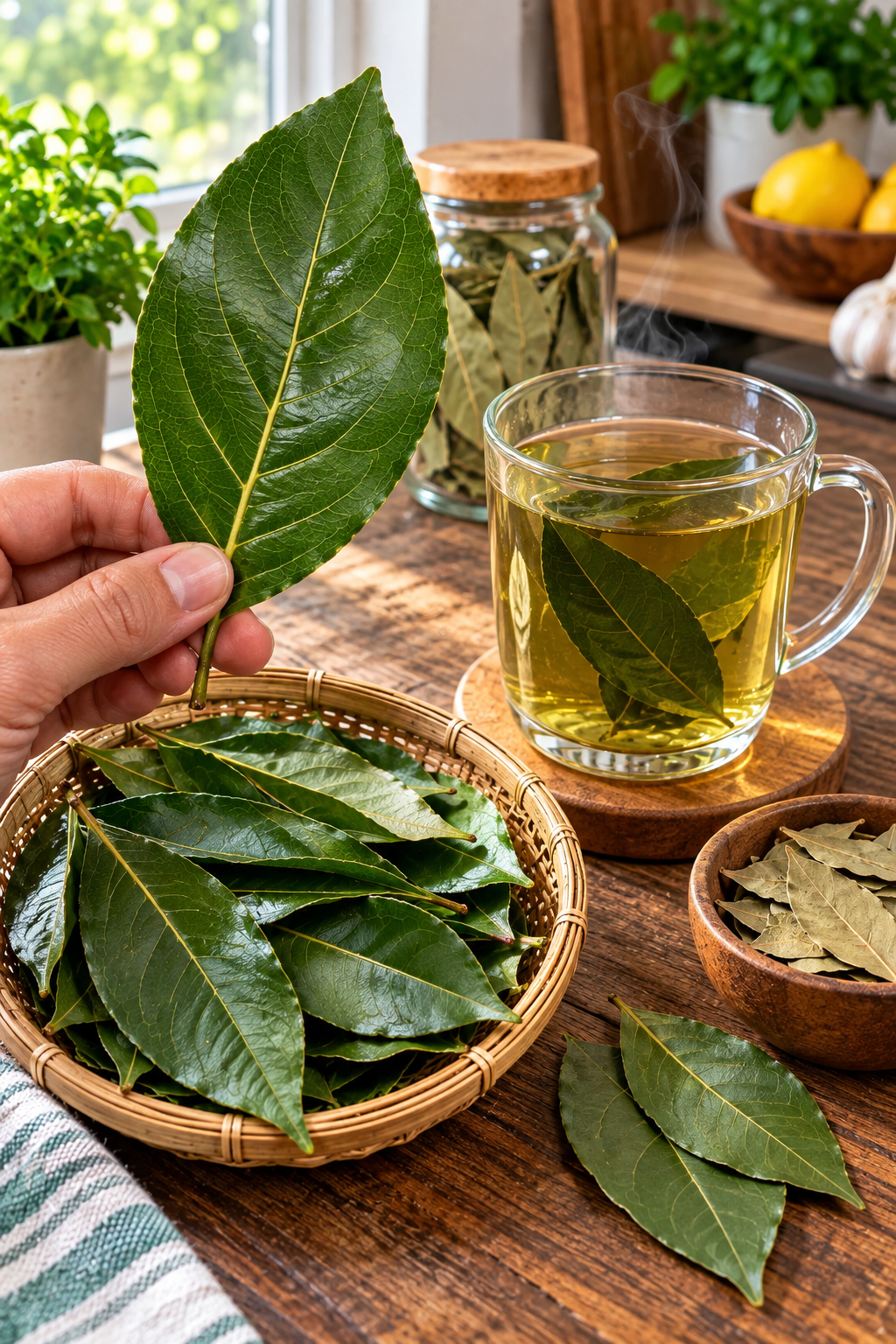
One green leaf is frequently promoted online as a natural answer for three very different problems:
High blood sugar.
High blood pressure.
And aching joints.
The leaf is moringa (Moringa oleifera).
Moringa has been eaten as a vegetable and used traditionally in parts of Africa and Asia for generations. Its leaves contain protein, vitamins, minerals, polyphenols, flavonoids, and glucosinolates, and researchers have investigated its possible effects on glucose metabolism, blood pressure, inflammation, and other metabolic markers. (Memorial Sloan Kettering Cancer Center)
But the viral phrase “crushes blood sugar, pressure, and pain fast” is much stronger than the evidence.
Moringa is not insulin.
It is not a blood-pressure medication.
It is not a rapid painkiller.
And it should never be used to replace prescribed treatment.
What makes moringa interesting is that recent human research suggests there may be measurable metabolic benefits when it is consumed consistently—but the evidence remains variable and preliminary. (PubMed)
🌿 What Is Moringa?
Moringa oleifera is a fast-growing tree sometimes called:
The drumstick tree.
The horseradish tree.
Or the miracle tree.
Its leaves are eaten fresh or cooked and are also dried into powder.
Moringa products are sold as:
Leaf powder.
Tea.
Capsules.
Tablets.
And extracts.
The important distinction is that a cooked leaf used as food is not equivalent to a concentrated extract or supplement.
Supplement formulations can contain much higher amounts of plant compounds than a normal serving of vegetables. Memorial Sloan Kettering specifically advises discussing moringa supplements with a healthcare provider because supplements are stronger than normal culinary use. (Memorial Sloan Kettering Cancer Center)
🩸 What Does the Research Say About Blood Sugar?
This is probably the area where moringa gets the most attention.
A 2020 review of human and animal studies found that several human studies reported reductions in glucose after moringa consumption, but the researchers concluded that the evidence was not strong enough to recommend moringa as a default diabetes treatment. (PubMed)
Another systematic review found that human trials were small, varied considerably in design, and used different preparations—from dry leaf powder to water-based preparations. The results were encouraging in some studies, particularly after meals, but researchers emphasized the need for larger and better controlled human trials. (PubMed)
More recently, a 2026 systematic review and exploratory meta-analysis involving 20 clinical studies reported an association between moringa use and improvements in fasting glucose and HbA1c.
The pooled analysis estimated an average HbA1c reduction of about 0.62 percentage points.
However, the authors also emphasized substantial heterogeneity and study-quality limitations and called the results preliminary and hypothesis-generating rather than definitive proof of treatment effectiveness. (PubMed)
That is very different from saying:
“One spoonful crushes blood sugar immediately.”
⏱️ Moringa Is Not a 10-Minute Glucose Fix
Even if moringa ultimately proves useful as a supportive food or supplement, diabetes is a chronic metabolic condition.
HbA1c reflects average glucose exposure over approximately several months.
A meaningful change does not happen because someone drinks one cup of moringa tea before breakfast.
And if someone’s glucose is dangerously high, waiting for an herbal drink to work can be risky.
Someone using insulin or glucose-lowering medication should continue treatment exactly as prescribed unless their clinician changes it.
💊 Why Diabetes Medication Makes This More Important
If moringa truly lowers glucose in some people, combining it with medications creates another issue:
blood sugar could potentially fall too low.
Memorial Sloan Kettering notes preclinical evidence that moringa can affect blood glucose and also describes a potential interaction with the diabetes medication sitagliptin, although the clinical significance remains uncertain. (Memorial Sloan Kettering Cancer Center)
For someone taking:
Insulin.
Sulfonylureas.
Sitagliptin or other diabetes drugs.
Or multiple glucose-lowering medications,
regular concentrated moringa supplementation should be discussed with a healthcare professional.
Watch for possible hypoglycemia symptoms such as:
Shaking.
Sweating.
Confusion.
Weakness.
Dizziness.
Rapid heartbeat.
Or unusual hunger.
❤️ What About Blood Pressure?
Recent research is also interesting here.
A 2026 meta-analysis of randomized controlled trials reported average reductions of roughly:
6 mmHg systolic
and
7.3 mmHg diastolic
among participants using moringa compared with control groups. The apparent benefit was more noticeable in some subgroups using moringa for more than four weeks. (PubMed)
Another 2026 systematic review reported a similar direction of effect, with pooled reductions in both systolic and diastolic blood pressure. But again, researchers highlighted differences among the studies and limitations in overall study quality. (PubMed)
So there may be a genuine blood-pressure effect.
But it is not accurate to say moringa:
“Drops dangerous blood pressure instantly.”
The studies generally examined repeated use over time.
⚠️ Lower Blood Pressure Is Not Always Better
Suppose someone already takes:
A calcium-channel blocker.
ACE inhibitor.
ARB.
Beta blocker.
Diuretic.
Or several blood-pressure medicines.
If they add a concentrated herbal supplement and their pressure drops further, they may experience:
Dizziness.
Weakness.
Lightheadedness.
Falls.
Or fainting.
That matters especially after 60.
A good blood pressure is not the lowest number you can force your body to reach.
It is a safe, controlled pressure appropriate for your overall medical situation.
🦵 Does Moringa Reduce Pain?
This is where the evidence becomes considerably weaker.
Moringa contains plant compounds that have demonstrated anti-inflammatory or pain-related activity in laboratory and animal studies.
Memorial Sloan Kettering notes anti-inflammatory and antinociceptive findings involving various moringa components in preclinical research. (Memorial Sloan Kettering Cancer Center)
But laboratory activity does not automatically mean:
“Moringa leaves stop arthritis pain in people.”
Human evidence showing rapid, reliable pain relief from ordinary moringa leaf tea or powder is limited.
There is currently much stronger evidence for established osteoarthritis approaches such as:
Appropriate exercise.
Strengthening.
Weight management when relevant.
Physical therapy.
And appropriately selected pain treatments.
So moringa may remain part of a healthy diet, but it should not be marketed as a replacement pain medicine.
📊 Viral Claim vs. Evidence
| Viral claim | What the evidence supports |
| Moringa instantly crushes blood sugar | No |
| Moringa may influence glucose control | Possibly |
| Moringa may modestly reduce HbA1c | Preliminary evidence |
| Moringa instantly normalizes blood pressure | No |
| Moringa may modestly lower BP over time | Some evidence |
| Moringa eliminates arthritis pain | Not established |
| Moringa contains anti-inflammatory compounds | Yes |
| Moringa replaces diabetes medicine | No |
| Moringa replaces BP medicine | No |
| Food-level moringa can fit a healthy diet | Yes |
🥬 A Safer Food-Level Way to Use Moringa
If you already use moringa as food, the simplest approach is to keep it culinary.
Fresh leaves can be added to:
Soups.
Stews.
Bean dishes.
Egg dishes.
Vegetable dishes.
Or cooked greens.
Dried moringa leaf powder can also be mixed into food in small culinary amounts.
The goal should be:
adding a nutritious plant food
rather than trying to create the strongest possible medicinal dose.
🥣 Simple Moringa Soup
A basic homemade version might use:
1 cup fresh moringa leaves
1 small onion
1 tomato
1 garlic clove
2 cups low-sodium broth or water
½ cup beans or lentils
Black pepper and herbs to taste.
Cook the onion, tomato, and garlic.
Add the beans and liquid.
Simmer.
Stir the moringa leaves in toward the end until tender.
This creates something much more useful than a miracle tonic:
A fiber-rich, plant-forward meal.
🫖 What About Moringa Tea?
Tea is popular because it is easy.
But don’t assume one tea bag delivers the same dose as a clinical trial.
Research has used:
Fresh leaves.
Dried leaf powder.
Extracts.
Different gram amounts.
Different treatment durations.
That makes it impossible to treat every moringa beverage as equivalent.
A mild food-level tea may simply be enjoyed as a beverage.
It should not become:
“Three cups before bed to reverse diabetes.”
🧪 Leaf Powder Is Not the Same as an Extract
This distinction matters.
A teaspoon of leaf powder contains whole powdered leaf.
A standardized extract may concentrate specific compounds.
Researchers may use one preparation and find an effect.
A supplement company can then point to that research while selling a completely different preparation.
That does not prove the products are interchangeable.
The 2026 systematic review specifically noted substantial differences among studies, contributing to uncertainty around the estimated effects. (PubMed)
🌿 “Natural” Does Not Mean Interaction-Free
Plants are biologically active.
That’s the entire reason people hope moringa works.
But biological activity also means potential interactions.
Memorial Sloan Kettering notes laboratory evidence that moringa may affect CYP3A4-related drug metabolism and other medication pathways, although the relevance in humans remains uncertain. (Memorial Sloan Kettering Cancer Center)
That is especially important for older adults taking several medications.
Before concentrated supplementation, ask your pharmacist or clinician to review your medication list.
🤰 Pregnancy and Breastfeeding Require Extra Caution
Memorial Sloan Kettering recommends that pregnant or breastfeeding women avoid moringa because safety has not been adequately established. (Memorial Sloan Kettering Cancer Center)
This is another reason viral advice such as:
“Everyone should drink moringa daily”
is inappropriate.
The same herb can have very different implications depending on:
Age.
Pregnancy.
Medications.
Kidney function.
Liver function.
And underlying disease.
⚠️ Rare Allergic Reactions Have Been Reported
Food-level moringa is tolerated by many people.
But adverse reactions can occur.
Memorial Sloan Kettering describes case reports involving severe skin reactions and even anaphylaxis after moringa exposure. (Memorial Sloan Kettering Cancer Center)
Stop using it and seek appropriate care for symptoms such as:
Facial swelling.
Difficulty breathing.
Widespread hives.
Severe blistering rash.
Or swelling of the lips or tongue.
These aren’t “detox symptoms.”
They can represent serious allergic reactions.
🍬 Moringa Should Not Distract From the Big Diabetes Levers
For type 2 diabetes, the factors with far stronger evidence include:
Appropriate medication.
Carbohydrate awareness.
Fiber-rich meals.
Weight management when relevant.
Regular physical activity.
Adequate sleep.
And routine glucose monitoring when prescribed.
Moringa can sit alongside those strategies.
It should not replace them.
❤️ The Same Is True for High Blood Pressure
A vegetable powder cannot compensate for:
Very high sodium intake.
Smoking.
Poor medication adherence.
Untreated sleep apnea.
Excess alcohol.
Or uncontrolled cardiovascular disease.
If moringa provides a small additional reduction in blood pressure, that may eventually prove useful.
But the foundation still matters much more.
🚨 When High Blood Sugar Needs More Than a Leaf
Seek medical help promptly if very high glucose occurs along with symptoms such as:
Vomiting.
Severe dehydration.
Abdominal pain.
Rapid or deep breathing.
Confusion.
Extreme weakness.
Or altered consciousness.
Those symptoms can signal a medical emergency.
Do not attempt to treat them with moringa tea.
🚨 When Blood Pressure Needs Urgent Attention
Likewise, a severely elevated blood pressure accompanied by:
Chest pain.
Shortness of breath.
New weakness or numbness.
Confusion.
Severe headache.
Vision changes.
Or difficulty speaking
requires urgent medical evaluation.
Do not sit at home waiting for an herbal drink to lower the number.
🦵 Pain Can Have Many Causes
“Pain” is an extremely broad symptom.
Knee pain may be osteoarthritis.
But pain can also come from:
Gout.
Nerve problems.
Infection.
Injury.
Inflammatory arthritis.
Blood clots.
Or other conditions.
An herb cannot diagnose the cause.
A suddenly hot, red, severely swollen joint—particularly with fever—deserves medical evaluation.
🚫 10 Moringa Mistakes to Avoid
1. Calling moringa a diabetes cure.
Human evidence remains insufficient to support that claim. (PubMed)
2. Expecting one dose to normalize glucose.
3. Stopping prescribed diabetes medicine.
4. Replacing blood-pressure medication with leaf powder.
5. Assuming more powder produces more benefit.
6. Treating animal studies as proof in humans.
7. Believing anti-inflammatory laboratory findings prove instant pain relief.
8. Ignoring possible drug interactions. (Memorial Sloan Kettering Cancer Center)
9. Using concentrated supplements during pregnancy or breastfeeding. (Memorial Sloan Kettering Cancer Center)
10. Ignoring symptoms of dangerously high or low blood sugar or blood pressure.
❓ Frequently Asked Questions
What is the leaf often promoted for blood sugar and blood pressure?
One common example is Moringa oleifera.
Does moringa lower blood sugar?
Possibly. Human studies suggest potential improvements in glucose control, but trials remain heterogeneous and limited. A 2026 analysis found improvements in fasting glucose and HbA1c while emphasizing that the evidence remains preliminary. (PubMed)
How much did HbA1c decrease?
The 2026 pooled analysis reported an average reduction of about 0.62 percentage points, but the authors cautioned that study quality and heterogeneity limit certainty. (PubMed)
Can moringa lower blood pressure?
Some randomized-trial meta-analyses suggest modest reductions in blood pressure. One 2026 analysis reported average reductions of roughly 6 mmHg systolic and 7 mmHg diastolic. More research is still needed. (PubMed)
Does moringa relieve arthritis pain?
Human evidence for rapid pain relief is limited. Anti-inflammatory effects seen in laboratory and animal research should not be interpreted as proof that moringa treats arthritis in people. (Memorial Sloan Kettering Cancer Center)
How fast does moringa work?
There is no clinically established “instant” timeframe. Many metabolic studies have evaluated use over weeks rather than minutes.
Can I stop diabetes medication if I use moringa?
No. Moringa should not replace prescribed diabetes treatment.
Can I stop blood-pressure medicine?
No. Abruptly stopping antihypertensive medication can be dangerous.
Is moringa safe with medications?
Not always. Potential drug interactions have been identified, and people taking regular medications should discuss concentrated supplements with a healthcare professional. (Memorial Sloan Kettering Cancer Center)
Is fresh moringa leaf different from capsules?
Yes. Fresh leaves used as food, dried powder, capsules, and concentrated extracts can provide very different amounts of biologically active compounds.
⭐ The Bottom Line
Moringa is far more interesting than many viral herbs because there is actual human research behind some of its metabolic effects.
Recent analyses suggest that moringa may modestly improve blood glucose and blood pressure in some people, but researchers continue to describe the evidence as preliminary because studies are generally small, use different preparations, and vary substantially in quality. (PubMed)
The evidence for rapid pain relief is considerably weaker.
So moringa does not:
Crush diabetes overnight.
Normalize dangerous blood pressure in minutes.
Erase arthritis pain immediately.
Replace insulin.
Replace blood-pressure medication.
Or substitute for medical care.
Use moringa as a nutritious food if it fits your diet.
Treat concentrated supplements more cautiously—especially if you use medications for diabetes or hypertension. (Memorial Sloan Kettering Cancer Center)
The leaf may have useful biology.
But a useful plant and a three-in-one miracle drug are not the same thing.