
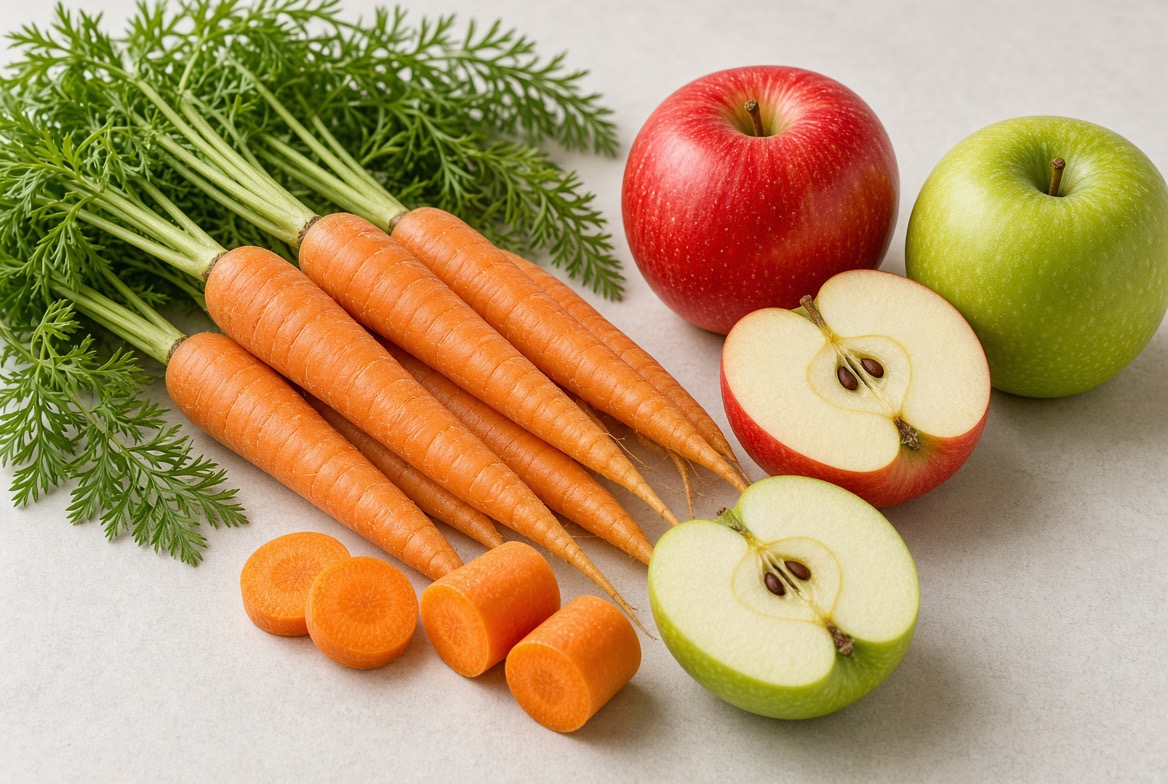
Imagine discovering that a single glass of homemade juice could supposedly repair severely damaged kidneys in just three hours.
No medication.
No dialysis.
No medical appointments.
Just a few ingredients blended together—and suddenly your kidneys are said to be functioning like new.
It’s an extraordinary promise.
And it’s exactly the kind of headline that attracts attention across social media.
Some viral posts claim:
“Drink this juice and revive your kidneys in 3 hours!”
“Flush kidney toxins instantly.”
“Restore damaged kidney filters naturally.”
“Lower creatinine without medication.”
“One glass can reverse years of kidney damage.”
But what does the science actually say?
The answer is clear:
No fruit juice, vegetable blend, herbal drink, or homemade detox mixture has been clinically proven to regenerate damaged kidneys within three hours.
Some ingredients used in these drinks provide water, vitamins, and plant nutrients. Others may create problems for people with kidney disease, especially when consumed in large quantities.
Understanding the difference between proper hydration, temporary changes in laboratory measurements, and genuine kidney recovery is essential.
Important Medical Disclaimer
This article provides general educational information and does not replace medical advice, diagnosis, or treatment.
No homemade juice has been proven to cure chronic kidney disease, reverse established kidney scarring, eliminate protein from urine, or replace dialysis.
People with advanced kidney disease, elevated potassium, fluid restrictions, heart failure, or dialysis-related dietary requirements should not begin concentrated juice routines without medical guidance.
Seek urgent medical attention for severely reduced urine output, severe shortness of breath, confusion, rapidly worsening swelling, or serious symptoms of dehydration.
1. What Is the Viral Three-Hour Kidney Juice Claim?
The viral claim often appears alongside a brightly colored drink made with fruits, vegetables, or herbs.
Depending on the version, ingredients may include:
- Lemon
- Cucumber
- Parsley
- Ginger
- Beetroot
- Celery
- Carrot
- Pineapple
- Watermelon
- Various herbal extracts
The implication is that these ingredients work together to remove toxins, repair kidney filters, and restore function within hours.
However, the fact that an ingredient is nutritious doesn’t establish that it can reverse organ damage.
The National Kidney Foundation specifically cautions against products marketed as kidney cleanses because evidence of effectiveness is limited and some ingredients may be harmful.
2. What Do Your Kidneys Actually Do?
Your kidneys are constantly working to maintain the body’s internal balance.
Their major functions include:
Filtering waste from the blood.
Regulating fluid levels.
Maintaining sodium and potassium balance.
Helping control blood pressure.
Supporting red blood cell production.
And helping regulate bone and mineral metabolism.
Kidney function depends on complex structures that include millions of tiny filtering units called nephrons.
When kidney tissue is damaged, restoring its function is not as simple as increasing fluid intake or producing more urine.
3. Why Damaged Kidneys Cannot Simply “Reset”
The term kidney reset is not a recognized medical treatment.
In chronic kidney disease, the kidneys may develop lasting structural damage.
This can involve scarring of the filtering units and surrounding tissues.
A drink cannot remove this scarring in a few hours.
The National Kidney Foundation explains that chronic kidney damage is generally permanent, although treatment can help slow further decline.
This is an important distinction.
Slowing kidney disease is possible in many cases. Instantly reversing established kidney scarring with juice is not.
4. What About Acute Kidney Injury?
Not every kidney problem is permanent.
Acute kidney injury, or AKI, develops over a relatively short period.
Possible causes include:
Severe dehydration.
Infection.
Reduced blood flow.
Certain medications.
Urinary obstruction.
And other medical problems.
In some situations, kidney function improves when the underlying cause is treated.
For example, appropriate medical treatment of dehydration or an obstruction may improve kidney filtration.
But that doesn’t mean damaged kidneys were regenerated by fruit juice.
The National Kidney Foundation explains that eGFR may improve after acute kidney injury, while established chronic kidney damage is less likely to reverse.
5. Can Drinking Juice Lower Creatinine in Three Hours?
There is no reliable evidence that a particular homemade juice consistently lowers elevated creatinine by repairing the kidneys within three hours.
Creatinine is a waste product generated through normal muscle metabolism.
The kidneys help remove it from the bloodstream.
When kidney filtration decreases, blood creatinine may rise.
However, creatinine measurements can be affected by several factors.
These include:
Hydration.
Muscle mass.
Recent physical activity.
Certain medications.
Recent food intake.
And laboratory variation.
If creatinine changes after drinking water or juice, that does not prove kidney tissue was repaired.
A clinician must interpret the result alongside other findings.
6. What Is eGFR?
Estimated glomerular filtration rate, or eGFR, is a measurement used to estimate kidney filtering ability.
It is usually calculated using blood creatinine and other personal characteristics.
In some circumstances, a blood marker called cystatin C may improve the accuracy of kidney-function assessment.
According to NIDDK, eGFR and urine albumin are two important tests for detecting and monitoring chronic kidney disease.
A short-term change in one number doesn’t necessarily establish recovery.
Doctors often need to examine trends over time.
7. Why Protein in Urine Matters
Healthy kidney filters generally retain important blood proteins.
When those filters become damaged, albumin may leak into urine.
The urine albumin-to-creatinine ratio, or UACR, helps evaluate this problem.
Persistent albumin in urine can indicate kidney damage, even when someone feels well.
A viral drink cannot reliably remove this problem.
Proper treatment may include medications, blood-pressure management, diabetes care, and monitoring.
8. Can Juice Flush Toxins From the Kidneys?
Your kidneys naturally filter waste substances from the blood.
Adequate hydration supports normal bodily processes.
However, a special juice cannot be assumed to increase the kidneys’ ability to eliminate toxins beyond their normal physiological capacity.
The National Kidney Foundation warns that kidney detox products have limited evidence of benefit and may pose risks.
The body does not require a concentrated herbal mixture to begin filtering blood.
Healthy kidneys are already performing this work continuously.
9. Why More Urination Does Not Mean Better Kidney Function
This is a common misunderstanding.
Some herbal mixtures may increase urine production.
That can create the impression that the kidneys are being cleansed.
But increased urination does not automatically mean improved filtration.
A person can produce significant urine while still having kidney disease.
Some diuretic products may also contribute to dehydration or electrolyte abnormalities.
Urine volume alone cannot establish kidney recovery.
10. What Does the Science Say About Kidney Juice Cleanses?
| Viral claim | Scientific reality |
| Juice provides fluids | Yes |
| Fruit and vegetable drinks contain nutrients | Often |
| Appropriate hydration supports kidney function | Yes |
| One juice repairs damaged kidneys in three hours | No |
| A juice removes kidney scarring | No |
| Juice reliably lowers creatinine | Not established |
| More urination proves kidney recovery | No |
| All green juices are safe for kidney patients | No |
| Herbal kidney cleanses are risk-free | No |
| Juice can replace dialysis | No |
| Medical treatment can slow some kidney diseases | Yes |
11. The Hidden Problem With High-Potassium Juices
Many viral kidney juice recipes contain large amounts of fruits and vegetables.
Common examples include bananas, oranges, spinach, tomatoes, and other potassium-containing foods.
Potassium is necessary for normal nerve, muscle, and heart function.
However, some people with advanced kidney disease have difficulty removing excess potassium.
This can cause potassium to accumulate in the bloodstream.
High potassium can contribute to dangerous heart rhythm disturbances.
The National Kidney Foundation warns that juicing can concentrate potassium, making it difficult for some kidney patients to control their intake.
This does not mean every person with CKD must avoid potassium-rich produce.
Restrictions should depend on laboratory results and medical advice.
12. What About Beetroot Juice?
Beetroot juice is frequently promoted as a kidney-cleaning beverage.
Beets contain dietary nitrates and naturally occurring plant pigments.
Some studies have examined nitrate-rich beetroot juice for its potential blood-pressure effects.
However, this does not establish that beetroot juice treats kidney failure.
Large amounts of beetroot juice may also contribute potassium and oxalates.
People with certain kidney conditions or recurrent kidney stones may need additional dietary guidance.
Beetroot can be a nutritious food without being a kidney-repair treatment.
13. Is Parsley Juice Good for Damaged Kidneys?
Parsley is a flavorful culinary herb.
It can be used to season meals without excessive salt.
However, concentrated parsley extracts or strong medicinal preparations are different from adding a little parsley to food.
Certain herbal kidney-cleansing products can interact with medications or create additional health risks.
The American Kidney Fund specifically cautions against several herbal supplements for people with CKD, including parsley root.
There is no reliable evidence that parsley juice reverses chronic kidney disease.
14. Can Lemon Juice Repair Kidneys?
Lemon contains vitamin C and citrate.
Citrate can be relevant for preventing certain kidney stones in selected individuals.
But lemon water is not a treatment for kidney failure.
A person with recurrent stones may require a specific fluid goal, dietary changes, or prescribed medications.
The amount of lemon juice needed for a clinically relevant citrate effect may differ greatly from the few drops used in a homemade drink.
And kidney-stone prevention is not the same thing as repairing chronic kidney damage.
15. What About Cucumber Juice?
Cucumber contains plenty of water and has a refreshing taste.
It can make a pleasant addition to a balanced diet.
Cucumber-infused water may help people drink an appropriate amount of fluid.
But cucumber doesn’t selectively clean kidney filters or dissolve scar tissue.
Its main contribution to a drink is water and flavor.
That’s useful—but it isn’t a medical cure.
16. Is Ginger Safe for Kidney Patients?
Ginger is commonly used in cooking and beverages.
In modest culinary amounts, it may fit into many diets.
However, concentrated ginger supplements can cause digestive discomfort and may interact with certain medications.
People with kidney disease should discuss concentrated herbal preparations with their healthcare team.
There is no established clinical evidence that ginger juice restores kidney function.
17. What About Celery Juice?
Celery juice is another popular wellness drink.
It provides water and naturally occurring plant compounds.
But claims that celery juice detoxifies kidneys or reverses chronic disease have not been proven.
Large vegetable juices may contain significant potassium.
Some commercial celery juices may also contribute sodium.
The overall nutritional profile depends on the amount consumed and the preparation method.
18. Can Fruit Juice Be Healthy?
Fruit juice can provide vitamins and other nutrients.
However, juice generally contains less fiber than whole fruit.
It can also make it easier to consume several servings of fruit rapidly.
For people with diabetes, this may increase carbohydrate intake.
For people with potassium restrictions, certain juices may provide more potassium than expected.
The National Kidney Foundation advises people with reduced kidney function to review juicing recipes with their kidney doctor or dietitian.
19. Why Whole Fruit Is Often a Better Choice
Whole fruits generally retain their natural fiber.
Fiber helps support digestion and contributes to fullness.
For many people, a modest serving of whole fruit is easier to incorporate into a balanced eating plan than a large concentrated juice.
However, kidney patients still need individualized guidance.
A person with elevated potassium may require different fruit choices from someone with normal potassium levels.
No single fruit is universally perfect for every kidney patient.
20. Is It Safe to Drink Lots of Water?
Not always.
Adequate hydration is important.
But some people with advanced kidney disease or heart failure cannot remove excess fluid efficiently.
Drinking too much can contribute to:
Swelling.
High blood pressure.
Fluid accumulation.
And shortness of breath.
NIDDK emphasizes that people with CKD may need to limit fluids depending on their medical condition.
Never attempt to flush damaged kidneys by forcing large amounts of water or juice.
21. Why Sodium Matters
Sodium affects fluid balance and blood pressure.
Many people with CKD benefit from reducing excessive sodium intake.
High-sodium foods commonly include:
Processed meats.
Packaged soups.
Salty snacks.
Fast food.
Certain sauces.
And ready-made meals.
Reducing excess sodium may help manage blood pressure and fluid retention.
For many kidney patients, this is more useful than buying a special detox juice.
22. Diabetes and Kidney Damage
Diabetes is a major cause of chronic kidney disease.
Persistently elevated blood glucose can damage kidney blood vessels and filtering structures.
Managing blood sugar is therefore important for preserving kidney function.
A fruit juice containing substantial carbohydrates cannot replace diabetes medication.
In some cases, concentrated sweet juices may make glucose management more difficult.
NIDDK emphasizes that diabetes management, blood-pressure control, and prescribed treatments are key parts of kidney protection.
23. High Blood Pressure and the Kidneys
High blood pressure can damage the blood vessels inside the kidneys over time.
It can also make existing kidney disease worse.
Treatment may include:
Prescription medication.
Reducing sodium.
Physical activity.
Weight management when appropriate.
And regular monitoring.
Some patients benefit from kidney-protective medications such as ACE inhibitors, ARBs, or SGLT2 inhibitors, depending on their condition.
A homemade drink cannot provide the same established medical benefits.
24. What Actually Helps Protect Kidney Function?
The most effective approach depends on the underlying cause.
Evidence-based strategies may include:
Controlling blood pressure.
Managing diabetes.
Taking prescribed kidney-protective medications.
Following an appropriate nutrition plan.
Maintaining safe hydration.
Avoiding smoking.
Avoiding unnecessary kidney-harming medications.
Monitoring kidney function regularly.
Treating infections or urinary obstructions promptly.
Some people can maintain relatively stable kidney function for years with appropriate treatment.
Others may experience progression despite careful care.
That’s why individualized monitoring is essential.
25. What About Ibuprofen and Other Painkillers?
Certain nonsteroidal anti-inflammatory drugs, or NSAIDs, can reduce blood flow to the kidneys in susceptible people.
Examples include:
Ibuprofen.
Naproxen.
And certain prescription anti-inflammatory medicines.
People with CKD, dehydration, heart failure, or other risk factors may face greater risks from NSAID use.
Do not assume that an over-the-counter medication is harmless to your kidneys.
Ask your healthcare professional which pain-relief options are appropriate for your condition.
26. A Gentle Hydration Alternative
Instead of a concentrated kidney detox juice, many people without fluid restrictions can enjoy a simple infused-water drink.
Cucumber and Mint Water
Ingredients
- 1 cup drinking water
- 3 thin cucumber slices
- 2 fresh mint leaves
- 1 thin lemon slice, optional
- Ice cubes, optional
Instructions
Wash all fresh ingredients.
Add the cucumber, mint, and optional lemon to a glass.
Pour in water.
Allow the flavors to infuse for several minutes.
Serve chilled.
This drink is primarily water with a little natural flavor.
It does not detoxify, restore, or regenerate damaged kidneys.
If you’re on a fluid restriction, count the serving toward your daily allowance.
27. Seven Habits That Matter More Than a Three-Hour Juice
1. Know Your Kidney Numbers
Ask your healthcare professional about your eGFR and urine albumin results.
2. Monitor Blood Pressure
If you have hypertension, follow your prescribed monitoring and treatment plan.
3. Manage Blood Glucose
If you have diabetes, work toward individualized glucose goals.
4. Reduce Excess Sodium
Compare packaged-food labels and cook with herbs and spices instead of excessive salt.
5. Stay Appropriately Hydrated
Drink according to your individual health needs.
6. Review Medications and Supplements
Ask about potential kidney risks before starting herbal products.
7. Follow Up Regularly
Kidney disease may worsen without obvious symptoms, making appropriate testing essential.
28. Ten Common Kidney Detox Myths
Myth 1: Wrecked kidneys can reset in three hours.
False. No juice has been shown to reverse established kidney damage within hours.
Myth 2: More urine means healthier kidneys.
Not necessarily.
Myth 3: Every green juice is safe for CKD.
False. Some juices contain concentrated potassium or other substances requiring caution.
Myth 4: Lemon water removes kidney scarring.
No.
Myth 5: Parsley detoxifies damaged kidney filters.
Not established.
Myth 6: Beetroot juice cures kidney failure.
No clinical evidence supports this.
Myth 7: Drinking more water is always better.
False. Fluid overload can be dangerous.
Myth 8: Lower creatinine always means kidney regeneration.
No. Laboratory values can change for several reasons.
Myth 9: Herbal products cannot harm the kidneys.
False. Some herbal supplements can cause toxicity or medication interactions.
Myth 10: A natural juice can replace dialysis.
No.
29. When Should You Seek Medical Care?
Contact a healthcare professional if you have:
Persistently elevated creatinine.
Reduced eGFR.
Protein or blood in your urine.
New or worsening swelling.
Unexpected changes in urination.
Or difficult-to-control blood pressure.
Seek urgent medical attention for:
Very little or no urine.
Severe difficulty breathing.
Confusion.
Severe dehydration.
Rapidly worsening swelling.
Or serious symptoms associated with possible kidney injury.
Some kidney problems can improve when treated promptly, while delays can increase the risk of complications.
Frequently Asked Questions
Can damaged kidneys recover in three hours?
There is no evidence that a juice or food can restore damaged kidneys in three hours. Certain reversible kidney problems can improve with appropriate treatment, but recovery varies.
Can juice lower creatinine quickly?
No specific homemade juice has been shown to reliably reduce creatinine by repairing kidney function.
What is the best juice for kidney health?
There is no universally best kidney juice. For many people, water is an excellent hydration choice, while juice suitability depends on potassium, carbohydrates, fluids, and other individual needs.
Can cucumber water clean the kidneys?
It provides fluid but does not cleanse damaged kidney filters.
Can lemon juice reverse kidney failure?
No.
Is beetroot juice safe for CKD?
It depends on the person’s kidney function, potassium levels, stone history, and overall nutrition plan.
Should people with CKD drink celery juice?
They should discuss concentrated juicing with a renal dietitian, especially when potassium restriction is necessary.
Can kidney damage be reversed?
Some forms of acute kidney injury may improve with treatment. Established chronic kidney scarring is generally irreversible, but progression can often be slowed.
Does more urination mean creatinine is falling?
Not necessarily. Urine volume alone is not a reliable measure of kidney filtration.
Can dialysis be replaced with natural juice?
No. Dialysis should never be stopped or delayed based on an unproven beverage.
Is drinking water better than detox juice?
For ordinary hydration, water is often the simplest choice. However, fluid limits must be individualized in advanced kidney disease.
How do doctors know whether kidney treatment is working?
They may track eGFR, urine albumin, blood pressure, electrolytes, symptoms, and other findings over time.
Final Thoughts: The Truth Behind the Three-Hour Kidney Reset
The idea that severely damaged kidneys can be restored by one glass of juice in three hours is attractive—but scientifically unsupported.
Fruits and vegetables can contribute important nutrients.
Water supports normal body function.
And balanced nutrition can play a valuable role in managing kidney disease.
However, none of these facts means a juice can regenerate damaged kidney tissue.
The National Kidney Foundation warns that kidney-cleansing supplements have limited evidence of effectiveness and may cause harm.
The most meaningful kidney-protection strategies are much less dramatic:
Control blood pressure.
Manage diabetes.
Follow prescribed treatment.
Reduce excessive sodium.
Maintain appropriate fluid intake.
Avoid potentially harmful supplements.
Monitor eGFR and urine albumin.
And seek professional care when kidney tests change.
Some forms of acute kidney injury can improve when the underlying cause is treated.
But chronic kidney scarring generally does not disappear.
Your kidneys don’t need a three-hour miracle reset. They need accurate diagnosis, appropriate treatment, and consistent long-term care.
Health reminder: No juice can replace kidney medication, dialysis, or medical evaluation. Concentrated fruit and vegetable drinks may be unsuitable for people with certain kidney conditions.