
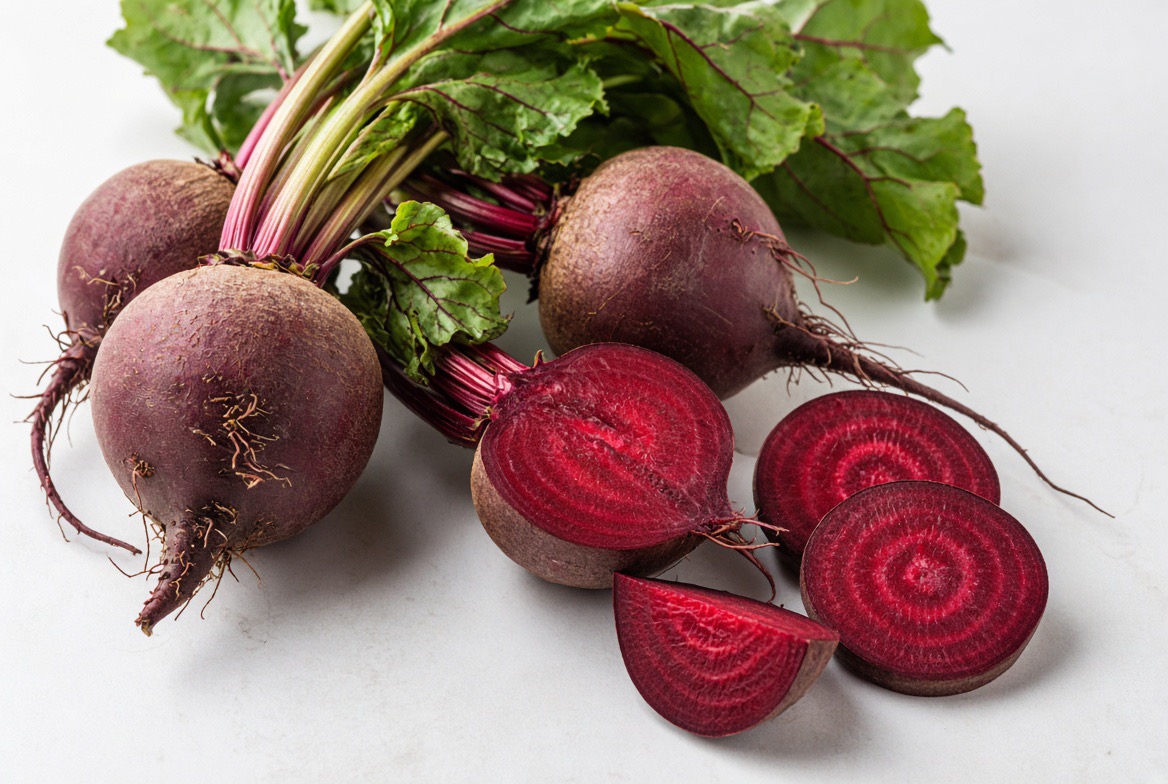
Imagine being told that eating one ordinary fruit could restore failing kidneys in just one hour.
No expensive medications.
No hospital appointments.
No dialysis.
Just one fruit—and supposedly your kidneys begin working like new.
It’s the kind of promise that attracts attention, especially among people worried about elevated creatinine, reduced kidney function, or chronic kidney disease.
Across social media, similar headlines claim:
“Eat this fruit and lower creatinine in 60 minutes!”
“Your kidneys will start working again naturally.”
“One fruit removes kidney toxins immediately.”
“Doctors don’t want you to know this kidney secret.”
“Reverse kidney damage without medication.”
But there’s a serious problem with these claims.
No fruit has been scientifically demonstrated to regenerate damaged human kidneys or reverse chronic kidney disease within one hour.
Fruits can provide valuable nutrients, fiber, and water. Some can fit into kidney-friendly eating plans.
However, normal nutrition is not the same as repairing damaged kidney tissue.
The American Kidney Fund specifically warns against claims that individual superfoods can reverse kidney scarring or reliably improve creatinine levels.
Let’s examine what creatinine actually measures, why levels sometimes change, and what really helps protect kidney health.
Important Medical Disclaimer
This article provides general health education and does not replace evaluation or treatment by a qualified healthcare professional.
No fruit, juice, herbal drink, or homemade supplement has been proven to cure chronic kidney disease, restore failed kidneys in one hour, or replace dialysis.
If you have elevated creatinine, reduced estimated glomerular filtration rate (eGFR), protein in your urine, or another abnormal kidney test, discuss the results with your healthcare professional.
Seek urgent medical attention for severely reduced urination, shortness of breath, confusion, rapidly worsening swelling, or severe symptoms associated with kidney problems.
People with advanced kidney disease may also require individualized potassium, phosphorus, protein, sodium, and fluid limits.
1. What Do Your Kidneys Actually Do?
Your kidneys are two important organs located toward the back of your abdomen.
They carry out several essential functions.
These include:
Filtering waste products from the blood.
Regulating fluid balance.
Controlling sodium and potassium levels.
Helping maintain healthy blood pressure.
Supporting red blood cell production.
And participating in vitamin D activation and bone-mineral regulation.
Healthy kidneys continuously adjust to the body’s needs.
When kidney function becomes impaired, waste products and excess fluid may accumulate.
However, not every change in a blood test indicates permanent kidney damage.
That’s why proper diagnosis matters.
2. What Is Creatinine?
Creatinine is a waste product generated through normal muscle metabolism.
Your body produces creatinine regularly.
The kidneys remove much of it from the blood through filtration.
Healthcare professionals measure blood creatinine as one way to evaluate kidney function.
If kidney filtration decreases, blood creatinine may increase.
But creatinine doesn’t tell the entire story.
According to the National Institute of Diabetes and Digestive and Kidney Diseases (NIDDK), healthcare professionals use creatinine along with factors such as age and sex to estimate kidney filtration.
This estimate is called eGFR.
A single creatinine result is not enough to explain every aspect of kidney health.
3. Why Can Creatinine Become Elevated?
Creatinine may increase for several reasons.
These include:
Chronic kidney disease.
Acute kidney injury.
Dehydration.
Certain medications.
Urinary tract obstruction.
Major muscle injury.
And other medical conditions.
Intense exercise and recent consumption of cooked meat may also temporarily influence some creatinine measurements.
This is why interpreting a single result without medical context can be misleading.
MedlinePlus explains that one abnormal creatinine test cannot establish a specific diagnosis on its own.
Further blood tests, urine tests, and medical evaluation may be needed.
4. Can Creatinine Fall Without the Kidneys Regenerating?
Yes.
This is a very important distinction.
For example, someone who is significantly dehydrated may develop reduced kidney blood flow and an elevated creatinine level.
If dehydration is the underlying cause and appropriate treatment restores circulation, kidney function may improve.
Creatinine may subsequently decrease.
But that doesn’t mean a fruit regenerated scarred kidney tissue.
It means a potentially reversible problem was corrected.
Similarly, kidney function may improve after certain medication-related problems, infections, or urinary obstructions are treated.
The National Kidney Foundation explains that some forms of acute kidney injury may improve when the underlying cause is addressed.
This is different from reversing established chronic kidney scarring.
5. What Is the Difference Between Acute Kidney Injury and Chronic Kidney Disease?
These conditions are not the same.
Acute Kidney Injury
Acute kidney injury, or AKI, develops over a relatively short period.
Possible causes include:
Severe dehydration.
Infection.
Reduced blood flow.
Certain medications.
Urinary obstruction.
Or direct kidney injury.
Some cases improve substantially with appropriate treatment.
Others may cause lasting damage.
Chronic Kidney Disease
Chronic kidney disease generally involves kidney abnormalities or reduced filtration that persist for more than three months.
Common causes include diabetes and high blood pressure.
Chronic kidney scarring is often irreversible.
However, treatment can help slow progression and reduce complications.
The difference between AKI and CKD cannot be determined by eating a fruit or checking whether someone urinates more afterward.
6. Can One Fruit Revive Kidneys in One Hour?
No.
There is no reliable clinical evidence showing that eating one fruit can restore kidney filtration in 60 minutes.
A fruit may provide:
Water.
Fiber.
Carbohydrates.
Vitamins.
Minerals.
And naturally occurring plant compounds.
These can contribute to a balanced diet.
But kidney recovery is a complex medical process.
Regenerating damaged kidney tissue would require changes far beyond what a single serving of fruit can accomplish.
An improvement in hydration or a short-term laboratory fluctuation should not be confused with kidney regeneration.
7. Why the “One Hour” Promise Is Misleading
A dramatic time limit makes a viral claim more exciting.
But it also creates a false expectation.
Kidney function is not normally assessed by eating a fruit and checking how someone feels an hour later.
An accurate medical assessment may involve:
Blood creatinine.
Estimated GFR.
Urine albumin.
Electrolytes.
Blood pressure.
Imaging.
And repeat measurements over time.
Even when a reversible cause of kidney injury is treated successfully, the time required for recovery varies.
No universal one-hour cure exists.
8. What Does eGFR Mean?
Estimated glomerular filtration rate is a calculation used to estimate how effectively the kidneys filter blood.
It often uses serum creatinine, age, and sex.
In some circumstances, clinicians may also use cystatin C to improve accuracy.
eGFR is more informative than looking at creatinine alone.
However, it also has limitations.
For example, creatinine-based eGFR may be less accurate when kidney function is changing rapidly.
A person’s muscle mass and certain medical circumstances can affect creatinine levels.
NIDDK recommends interpreting eGFR alongside urine albumin and other clinical information.
9. Why Urine Albumin Matters
Albumin is a protein normally found in the blood.
Healthy kidney filters generally prevent large amounts of albumin from passing into urine.
When kidney filters become damaged, albumin may leak into urine.
Healthcare professionals commonly use a test called the urine albumin-to-creatinine ratio, or UACR.
A persistent UACR of 30 mg/g or higher may indicate kidney damage, although results must be interpreted in context.
Someone may have meaningful kidney disease even when blood creatinine appears relatively normal.
This is one reason a single creatinine number cannot describe the entire condition.
10. Can Fruits Support Kidney Health?
Yes.
Many fruits contribute to a nutritious eating pattern.
They provide different combinations of:
Fiber.
Water.
Vitamins.
Minerals.
And plant compounds.
The National Kidney Foundation encourages balanced diets that include appropriate amounts of plant foods.
But the right fruit choices depend on the individual.
For example, someone with high blood potassium may need different portions than someone with normal potassium.
People with diabetes may also need to account for the carbohydrate content of fruit.
Fruit can support good nutrition without functioning as kidney medicine.
11. Nine Fruits Commonly Discussed in Kidney-Friendly Diets
Here are examples of fruits that may fit into many kidney-conscious meal plans.
These are not universal prescriptions.
1. Apples
Apples provide fiber, particularly when eaten with the peel.
They make a convenient snack and can help replace heavily sweetened desserts.
An appropriate serving may fit into many kidney-friendly diets.
But apples do not lower creatinine by repairing kidney tissue.
2. Blueberries
Blueberries provide fiber and colorful plant compounds called anthocyanins.
They’re enjoyable fresh or frozen.
They can contribute to a varied dietary pattern.
However, laboratory antioxidant activity does not mean blueberries regenerate kidney filters.
3. Strawberries
Strawberries provide vitamin C and other plant nutrients.
They can be eaten fresh or added to plain yogurt if the overall meal fits a person’s kidney diet.
Choose unsweetened varieties when possible.
4. Pineapple
Pineapple is sometimes included on kidney-friendly fruit lists because typical portions can contain less potassium than certain other tropical fruits.
But it still provides carbohydrates.
Portions matter, especially for people with diabetes.
5. Grapes
Grapes are a convenient fruit snack.
They contain water, natural sugars, and various plant compounds.
They do not eliminate kidney toxins or reverse CKD.
6. Pears
Pears provide fiber and natural sweetness.
They can be enjoyed fresh or baked.
Their nutritional contribution comes from being part of a balanced diet—not a special kidney-cleansing effect.
7. Peaches
Fresh peaches offer vitamin C, water, and other nutrients.
They can fit into many eating plans.
Choose fresh peaches or canned versions without heavy syrup when appropriate.
8. Watermelon
Watermelon contains a large amount of water.
A moderate portion can be refreshing.
However, people with strict fluid restrictions may need to account for water-rich foods as directed by their healthcare team.
Watermelon does not cure kidney failure.
9. Cranberries
Cranberries contain plant compounds that have been investigated for urinary health.
Certain cranberry products may reduce the risk of recurrent urinary tract infections in some populations.
However, that does not mean cranberry juice treats kidney disease or replaces antibiotics for an active infection.
Commercial cranberry beverages may also contain significant added sugar.
12. What These Fruits Can and Cannot Do
| Claim | Scientific reality |
| Fruits provide valuable nutrients | Yes |
| Whole fruits can contribute dietary fiber | Yes |
| Water-rich fruits contribute to fluid intake | Yes |
| Fruit can be part of kidney-friendly meals | Often, depending on individual needs |
| One fruit restores kidneys in one hour | No |
| A fruit reliably lowers elevated creatinine | No |
| Fruit repairs chronic kidney scarring | No |
| Fruit removes protein from urine immediately | No |
| Fruit replaces dialysis | No |
| Fruit cures diabetes-related kidney damage | No |
| Balanced nutrition supports kidney management | Yes |
13. Why Potassium Matters
Potassium is an essential mineral.
It supports normal muscle activity, nerve signaling, and heart rhythm.
Healthy kidneys help regulate the amount of potassium in the blood.
When kidney function becomes impaired, some people develop high blood potassium.
This can be dangerous.
However, not everyone with CKD needs potassium restriction.
Some patients have normal levels.
Others may even develop low potassium.
Therefore, the right fruit choices should be based on laboratory results and clinical guidance—not on a generic viral food list.
14. Is Banana Bad for Everyone With Kidney Disease?
No.
Bananas are often labeled as forbidden for kidney patients because they contain potassium.
But dietary needs vary.
A person with normal potassium may be able to include a modest serving.
Another patient with persistent hyperkalemia may need a different approach.
This illustrates why kidney diets should be personalized.
Foods are not automatically good or bad based on one mineral.
15. Can Water Lower Creatinine?
Appropriate hydration supports normal kidney function.
In someone who is dehydrated, correcting the dehydration may help improve kidney blood flow and associated laboratory abnormalities.
But drinking excessive water does not reverse chronic kidney scarring.
People with advanced CKD or heart failure may also have difficulty removing excess fluid.
Too much water can cause swelling, blood-pressure problems, and dangerous electrolyte disturbances.
More water is not always better.
Follow your prescribed fluid allowance if you have one.
16. What Actually Helps Protect Kidney Function?
The strongest kidney-protection strategies depend on the cause of disease.
They may include:
Controlling blood pressure.
Managing diabetes.
Using prescribed kidney-protective medications when appropriate.
Reducing excessive sodium intake.
Avoiding smoking.
Staying physically active.
Maintaining appropriate nutrition.
Avoiding unnecessary kidney-harming medications.
And monitoring kidney function.
Some patients with CKD benefit from medications such as ACE inhibitors, ARBs, or SGLT2 inhibitors, depending on their diagnosis and clinical circumstances.
These medications should only be used according to medical guidance.
A piece of fruit cannot replace them.
17. The Importance of Blood Pressure
High blood pressure can damage the small blood vessels and filters inside the kidneys.
Over time, this can contribute to chronic kidney disease.
The NIDDK identifies hypertension as a major cause of kidney damage.
Controlling blood pressure can help protect remaining kidney function.
Useful approaches may include medication, appropriate sodium reduction, physical activity, and other lifestyle measures.
Drinking fruit juice does not replace blood-pressure control.
18. Diabetes and Kidney Health
Diabetes is another leading cause of CKD.
Persistently elevated blood glucose can damage the kidneys over time.
This may cause albumin to leak into urine and kidney filtration to decline.
Managing diabetes helps reduce the risk of complications.
Fruit can still fit into diabetes-conscious eating patterns.
But whole fruit is often a more practical choice than large glasses of fruit juice because it retains fiber and is easier to portion.
No fruit cancels the need for diabetes treatment.
19. Why Sodium Matters More Than a Miracle Fruit
Many people focus on finding one special kidney-friendly fruit while overlooking sodium in everyday foods.
Excess sodium can contribute to:
High blood pressure.
Fluid retention.
Swelling.
And increased cardiovascular strain.
Large amounts may come from:
Processed meats.
Packaged soups.
Fast food.
Salty snacks.
Instant noodles.
And restaurant meals.
Choosing lower-sodium foods can be an important part of an individualized kidney diet.
For many people, reducing excess sodium is more useful than buying expensive detox juices.
20. What About Protein?
Protein is necessary for maintaining muscles, repairing tissues, and supporting normal body functions.
However, protein requirements change according to kidney disease stage and treatment.
People with CKD who are not on dialysis may need to moderate protein intake.
People receiving dialysis often require more protein.
Eating too little can cause malnutrition and muscle loss.
Eating too much may be inappropriate in some situations.
A renal dietitian can help determine the right intake.
21. Can Herbal Kidney Cleanses Help?
Many herbal products promise to flush the kidneys and lower creatinine.
Some contain:
Parsley extracts.
Dandelion.
Nettle.
Concentrated fruit extracts.
Diuretic herbal combinations.
Or unknown mixtures.
There is no established herbal cleanse that reverses chronic kidney scarring.
Some products can cause interactions, electrolyte disturbances, or direct toxicity.
People with CKD should be especially cautious about unregulated supplements.
Natural does not necessarily mean safe.
22. Can Creatinine Change From Day to Day?
Yes.
Creatinine measurements may vary because of:
Hydration status.
Recent meals.
Muscle mass.
Physical activity.
Medication effects.
Laboratory variation.
And changes in kidney function.
A small change does not automatically mean the kidneys have improved or worsened permanently.
Clinicians interpret results in context and may repeat testing.
This is especially important when a result differs unexpectedly from earlier measurements.
23. What If Creatinine Goes Down After Eating Fruit?
A lower creatinine reading after a dietary change does not prove the fruit caused the improvement.
Several explanations are possible.
Hydration may have changed.
The person may have eaten less cooked meat before testing.
A temporary illness may have resolved.
Medication effects may have changed.
Or normal laboratory variation may be involved.
To establish a true treatment effect, researchers need appropriately designed studies comparing outcomes between groups.
An isolated before-and-after anecdote is not enough.
24. Can Chronic Kidney Disease Be Reversed?
Chronic kidney disease is not one single condition.
Its causes and outcomes vary.
In many cases, established kidney scarring cannot be reversed.
However, treatment can often help preserve remaining function and slow progression.
Some reversible conditions may coexist with CKD, such as dehydration, medication-related injury, or urinary obstruction.
Treating those conditions can sometimes improve kidney-function measurements.
The National Kidney Foundation makes this distinction clear: temporary kidney injury may improve, while long-standing damage from CKD is generally permanent.
A change in laboratory values should not be automatically described as organ regeneration.
25. What Happens If Kidney Function Becomes Severely Reduced?
Advanced kidney disease can lead to serious complications.
These may include:
Fluid overload.
High potassium.
Metabolic acidosis.
Anemia.
Bone-mineral disorders.
And accumulation of waste products.
Treatment depends on the condition and its severity.
Some people require dialysis or kidney transplantation.
No fruit has been demonstrated to replace dialysis when dialysis is medically necessary.
26. Ten Common Creatinine Myths
Myth 1: One fruit revives kidneys in one hour.
False. No reliable clinical evidence supports this claim.
Myth 2: Lower creatinine always means kidney damage was reversed.
Not necessarily. Creatinine can change for several reasons.
Myth 3: Drinking more water always improves eGFR.
False. Excessive fluid intake can be dangerous.
Myth 4: Fruits can replace kidney medication.
No.
Myth 5: All people with CKD must avoid bananas.
Dietary restrictions depend on individual potassium levels and medical needs.
Myth 6: Urinating frequently proves kidney filtration is normal.
Urine volume alone does not establish kidney health.
Myth 7: A detox tea can remove kidney scarring.
No evidence supports this.
Myth 8: A normal creatinine result excludes every kidney problem.
False. Urine albumin and other findings may reveal kidney disease.
Myth 9: Every elevated creatinine result means permanent kidney failure.
Not necessarily. Some causes are temporary or reversible.
Myth 10: Kidney disease can be diagnosed through social-media symptoms alone.
Proper evaluation requires clinical assessment and appropriate testing.
27. A Practical Seven-Day Kidney Health Routine
You don’t need a miracle fruit to begin building healthier habits.
Day 1: Understand Your Numbers
If you have abnormal kidney tests, ask your healthcare professional what your creatinine, eGFR, and urine albumin results mean.
Day 2: Review Sodium Intake
Check the labels of common packaged foods.
Identify foods that contribute substantial sodium.
Day 3: Choose Appropriate Fruit Portions
Enjoy whole fruit that fits your potassium and carbohydrate needs.
Day 4: Review Blood Pressure
If you’ve been advised to monitor blood pressure, record readings according to your healthcare plan.
Day 5: Review Medications
Ask a pharmacist or clinician whether any over-the-counter medicines or supplements may be harmful to your kidneys.
Day 6: Stay Active Safely
Choose physical activity appropriate for your medical condition.
Day 7: Plan Your Follow-Up
Review upcoming blood tests, urine tests, appointments, and nutrition recommendations.
This routine supports better kidney care. It is not a seven-day cure.
28. When to Seek Medical Attention
Arrange medical evaluation for:
Persistently elevated creatinine.
Reduced eGFR.
Protein in urine.
Blood in urine.
Persistent swelling.
Difficult-to-control blood pressure.
Or unexpected changes in urination.
Seek urgent medical attention for:
Very little or no urine.
Severe shortness of breath.
Confusion.
Rapidly worsening swelling.
Severe dehydration.
Or severe illness accompanied by possible kidney problems.
Kidney disease may have few symptoms in its early stages.
That’s why appropriate blood and urine testing is important for people at increased risk.
Frequently Asked Questions
Can one fruit lower creatinine in one hour?
There is no reliable clinical evidence that any fruit can restore kidney filtration or reliably lower elevated creatinine within one hour.
Which fruit is best for kidney health?
There is no universally best fruit. Apples, berries, grapes, and other fruits may fit into kidney-friendly eating plans, depending on potassium, carbohydrates, and other individual needs.
Can eating fruit reverse kidney failure?
No fruit has been shown to reverse kidney failure.
Why does creatinine become high?
Possible causes include kidney disease, dehydration, acute kidney injury, certain medications, and other factors.
Can creatinine return to normal?
Sometimes. When the underlying problem is temporary or reversible, kidney measurements may improve after appropriate treatment. Chronic kidney scarring generally cannot be reversed.
Is high creatinine always dangerous?
Its significance depends on the result, previous measurements, symptoms, medications, and other tests. Unexpected elevation should be evaluated.
Can drinking more water lower creatinine?
Correcting dehydration may help in some circumstances, but excessive water does not repair chronic kidney damage.
Can watermelon clean the kidneys?
No. Watermelon provides fluid and nutrients, but it is not a kidney-cleansing treatment.
Can apples improve eGFR?
Apples can be part of a nutritious diet, but there is no established evidence that eating apples directly improves eGFR by regenerating kidney tissue.
Are bananas forbidden for people with CKD?
Not universally. Potassium needs should be determined by laboratory results and medical guidance.
What is more important than creatinine alone?
Clinicians often evaluate eGFR, urine albumin, medical history, and other laboratory findings together.
Can CKD be managed successfully?
Yes. Many people can slow progression and manage complications through appropriate medication, nutrition, monitoring, and treatment of underlying conditions.
Final Thoughts: The Truth About the One-Fruit Kidney Claim
The idea that one fruit can revive failing kidneys in an hour is emotionally appealing.
But it isn’t supported by credible clinical evidence.
Fruits can provide valuable nutrients and contribute to a balanced diet.
They may help replace less nutritious snacks and support general wellness.
However, they do not directly regenerate scarred kidney tissue.
Creatinine is a useful laboratory marker, but its value can change for many reasons.
An improved number does not automatically establish that a particular food healed the kidneys.
For meaningful kidney protection, focus on what has stronger evidence:
Control blood pressure.
Manage diabetes.
Follow prescribed medical treatment.
Reduce excess sodium.
Maintain appropriate hydration.
Choose a nutritious, individualized diet.
Monitor eGFR and urine albumin when recommended.
Avoid unregulated kidney-cleansing supplements.
And seek professional guidance when laboratory results change.
The American Kidney Fund warns that no individual superfood can reverse long-standing kidney scarring.
The National Kidney Foundation also emphasizes that chronic kidney damage is generally irreversible, although appropriate treatment can help preserve kidney function and slow disease progression.
The bottom line is straightforward:
One fruit cannot revive your kidneys in 60 minutes. But consistent, evidence-based care can help protect the kidney function you still have.
Health reminder: Kidney disease may be serious even without obvious symptoms. Do not replace medication, dialysis, or medical evaluation with fruit-based remedies.