
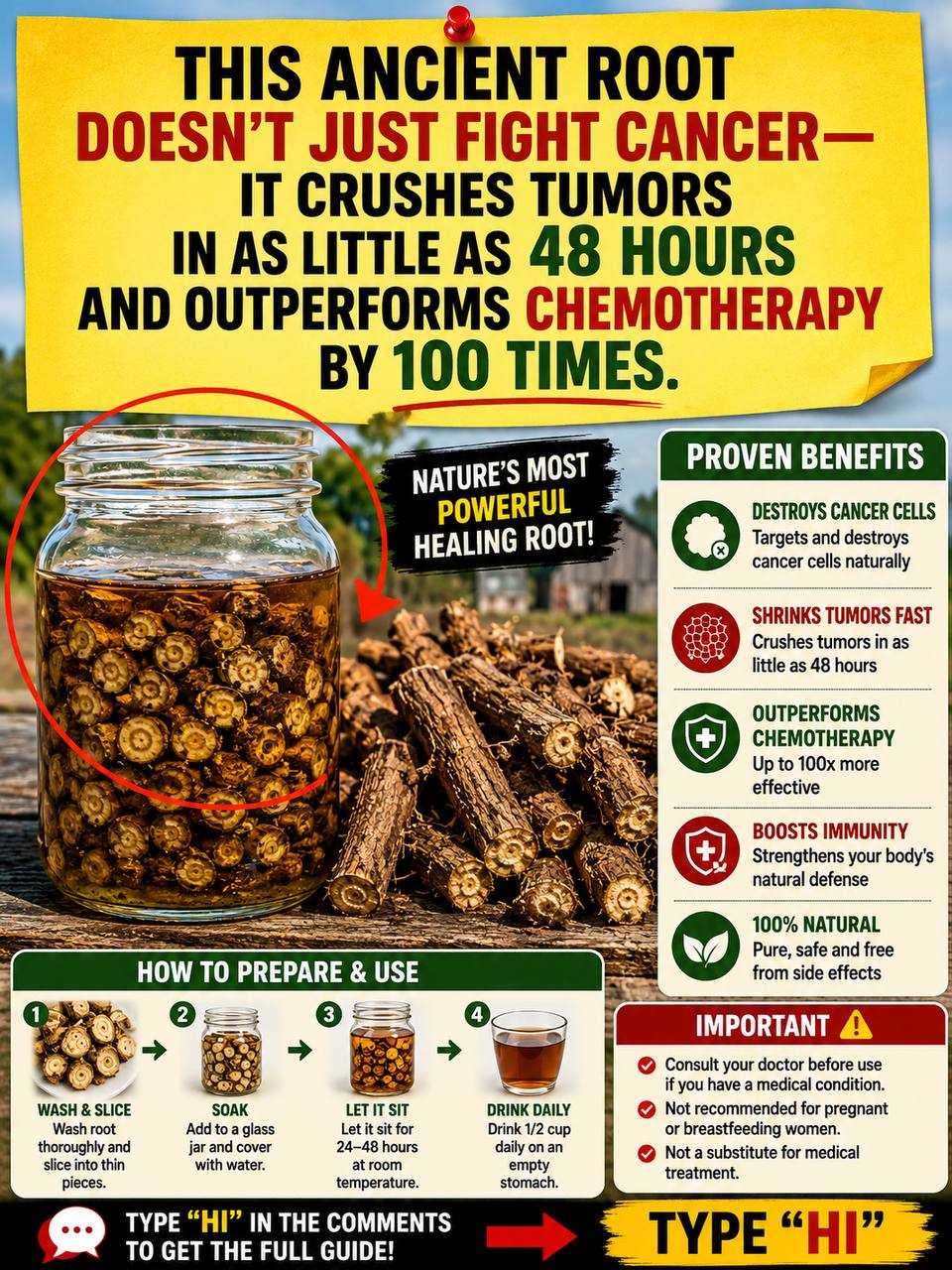
Headlines claiming that dandelion root “triggers cancer-cell shutdown” and that this information is being suppressed circulate widely online. They often present the common weed as a powerful, overlooked cancer solution. The reality is more measured and far less dramatic.
Dandelion root (Taraxacum officinale) has a long history of traditional use as a digestive bitter, mild diuretic, and general tonic. In recent years, laboratory research has examined concentrated extracts for possible anti-cancer activity. Some of those studies are interesting. None of them justify the claim that dandelion root is a suppressed cancer cure.
What the Research Actually Shows
Most of the attention comes from laboratory (in-vitro) studies and a smaller number of animal experiments:
- Concentrated dandelion root extract has been shown in cell-culture studies to induce apoptosis (programmed cell death) in certain cancer cell lines, including some types of leukemia, melanoma, and colorectal cancer cells.
- Researchers have observed effects on cellular signaling pathways that control cell survival and death.
- A few animal studies have explored tumor growth or related markers with mixed or preliminary results.
These findings are early-stage. Killing cancer cells in a petri dish is a starting point for research, not proof of effectiveness in living people. Many substances (including some chemotherapy drugs in early testing, as well as numerous plant compounds) can kill cells in a laboratory without becoming useful or safe treatments.
There are currently no robust human clinical trials demonstrating that dandelion root extract, tea, or supplements meaningfully shrink tumors, improve survival, or serve as an effective cancer treatment. Major cancer organizations do not recommend it as therapy.
Why the “They Don’t Want You to Know” Framing Is Misleading
Scientific research on plant compounds is common and ongoing. Promising early findings are published openly in scientific journals. When a substance shows strong enough results in the lab, it typically moves into animal studies and, if warranted, carefully controlled human trials. Most plant extracts never make it that far because the effects do not translate reliably to humans, the required doses are impractical or unsafe, or side effects appear.
The absence of dandelion root as a standard cancer treatment reflects the current state of evidence—not a coordinated effort to suppress it.
Potential General Benefits of Dandelion Root
When used in traditional or culinary amounts, dandelion root may offer milder, non-cancer-related effects:
- Mild diuretic action
- Digestive stimulation as a bitter
- Contribution of antioxidants and inulin-type fiber
These uses are distinct from cancer treatment claims.
Important Risks and Safety Concerns
Dandelion root is not risk-free, especially in concentrated form:
- It can act as a diuretic and may affect electrolyte balance or interact with medications.
- Allergic reactions are possible, particularly in people sensitive to related plants (ragweed, chrysanthemums, etc.).
- It may interact with blood thinners, diabetes medications, or lithium.
- People with gallbladder problems or bile duct obstruction are sometimes advised to avoid it.
- Quality and concentration of supplements vary widely.
- Relying on dandelion root instead of proven cancer treatment can delay effective care and worsen outcomes.
Cancer patients should never start herbal products without clearing them with their oncology team. Some herbs can interfere with chemotherapy, radiation, or other medications.
What Actually Works Against Cancer
Evidence-based cancer care includes surgery, radiation, chemotherapy, immunotherapy, targeted therapies, hormone therapies, and other approaches tailored to the specific cancer type and stage. Early detection, proven treatments, clinical trials, and supportive care from qualified medical professionals remain the foundation of effective management.
Lifestyle factors such as not smoking, maintaining a healthy weight, being physically active, limiting alcohol, and eating a varied, plant-rich diet can support overall health and may reduce risk for certain cancers, but they are not treatments for existing disease.
Practical Perspective on Dandelion
If you enjoy dandelion root tea as an occasional herbal beverage and tolerate it well, it is unlikely to cause harm for most healthy people in modest amounts. Treating it as a cancer therapy is unsupported by current human evidence and carries real danger if it replaces medical treatment.
Final Thoughts
Laboratory studies showing that dandelion root extract can trigger cell death in certain cancer cell lines are legitimate early scientific observations. They do not mean that drinking dandelion tea or taking supplements will shut down cancer in the body. The leap from petri dish to human treatment is large, and that leap has not been made.
Extraordinary claims require extraordinary evidence. In the case of dandelion root and cancer, the evidence remains preliminary. Anyone facing a cancer diagnosis should work closely with qualified medical professionals and rely on therapies that have been rigorously tested for safety and effectiveness.
Curiosity about natural compounds is reasonable. Allowing compelling headlines to guide medical decisions is not. When it comes to cancer, evidence-based care saves lives.