
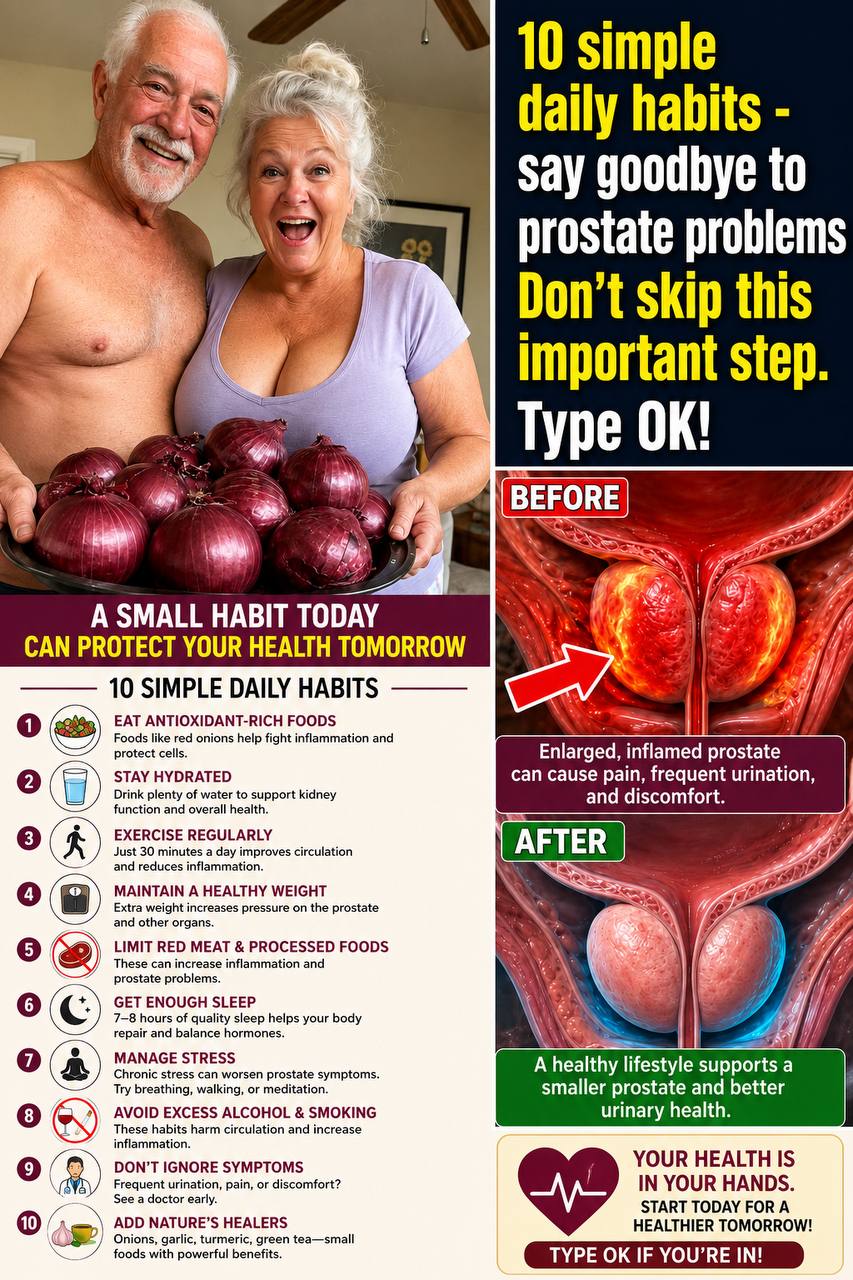
Healthy aging is shaped far more by consistent daily habits than by any single food, supplement, or remedy. After 60, small, sustainable actions that support muscle strength, mobility, brain health, heart function, and emotional well-being often deliver greater long-term benefits than complicated routines.
This article outlines practical, evidence-aligned daily habits that many older adults can adopt. These are not dramatic fixes—they are realistic behaviors that compound over time.
1. Prioritize Protein at Every Meal
Muscle loss accelerates with age. Distributing protein across the day helps counteract this.
- Include a source of high-quality protein (eggs, Greek yogurt, fish, poultry, cottage cheese, lentils, or tofu) at breakfast, lunch, and dinner.
- Aim for roughly 25–30 grams per meal when possible.
- Soft, easy-to-chew options work well for those with dental issues.
2. Move Your Body with Purpose
Daily movement protects strength, balance, and independence.
- Take a short walk most days.
- Add simple strength movements 2–3 times per week (sit-to-stands from a chair, wall push-ups, heel raises, or light resistance bands).
- Include balance practice, such as standing on one foot while holding a stable surface.
Even 10–15 minutes of focused activity is valuable when done consistently.
3. Stay Ahead of Hydration
Thirst signals can become less reliable with age.
- Begin the day with a glass of water.
- Keep water visible and available throughout the day.
- Include hydrating foods such as cucumber, citrus, or soups.
- Moderate fluid intake in the evening if nighttime bathroom trips are disruptive.
4. Protect Your Sleep Window
Quality sleep supports memory, mood, immune function, and physical recovery.
- Keep a consistent bedtime and wake time.
- Dim lights and reduce screens in the hour before bed.
- Make the bedroom cool, dark, and quiet.
- Limit caffeine after early afternoon.
5. Eat a Colorful, Fiber-Rich Pattern
A diet centered on vegetables, fruits, whole grains, legumes, nuts, and fish supports heart health, digestion, and steady energy.
- Fill half your plate with vegetables at main meals when possible.
- Choose whole fruits over juice.
- Include fermented or fiber-rich foods for gut support if tolerated.
6. Manage Stress in Small Daily Doses
Chronic stress affects blood pressure, sleep, and inflammation.
- Practice a few minutes of slow breathing, gentle stretching, or quiet sitting.
- Stay socially connected—conversation, calls, or shared activities matter.
- Spend a little time outdoors when possible.
7. Stay Mentally Engaged
Cognitive activity helps maintain mental sharpness.
- Read, do puzzles, learn something new, or engage in hobbies that require focus.
- Combine social interaction with mental stimulation when possible.
8. Keep Up with Preventive Care
Simple administrative habits have outsized impact.
- Take medications as prescribed.
- Attend recommended check-ups and screenings.
- Monitor blood pressure and blood sugar if advised.
- Review medications periodically with a doctor or pharmacist to avoid unnecessary interactions.
9. Limit Common Drainers
Reducing certain habits often improves energy and health markers:
- Avoid smoking.
- Limit alcohol.
- Minimize ultra-processed foods and excess added sugar.
- Be cautious with prolonged sitting—stand up and move briefly every hour when possible.
Making Habits Stick After 60
- Start with one or two changes rather than overhauling everything.
- Attach new habits to existing ones (for example, protein at breakfast or a short walk after lunch).
- Focus on consistency over intensity.
- Adjust for physical limitations—almost every habit can be modified.
- Track how you feel in terms of energy, mood, and mobility rather than perfection.
Important Perspective
These habits support healthier aging for many people, but they are not medical treatments. Individual needs vary based on existing health conditions, medications, and mobility. Always consult a doctor before beginning new exercise routines or making significant dietary changes, especially if you have chronic conditions.
Final Thoughts
The most powerful tools for aging well are rarely dramatic. They are the small actions repeated daily: eating enough protein, moving the body, staying hydrated, protecting sleep, managing stress, and staying engaged with life and healthcare.
You do not need to adopt every habit at once. Choose one or two that feel realistic, practice them consistently, and build from there. Over weeks and months, these simple behaviors often produce meaningful improvements in strength, energy, and quality of life.