
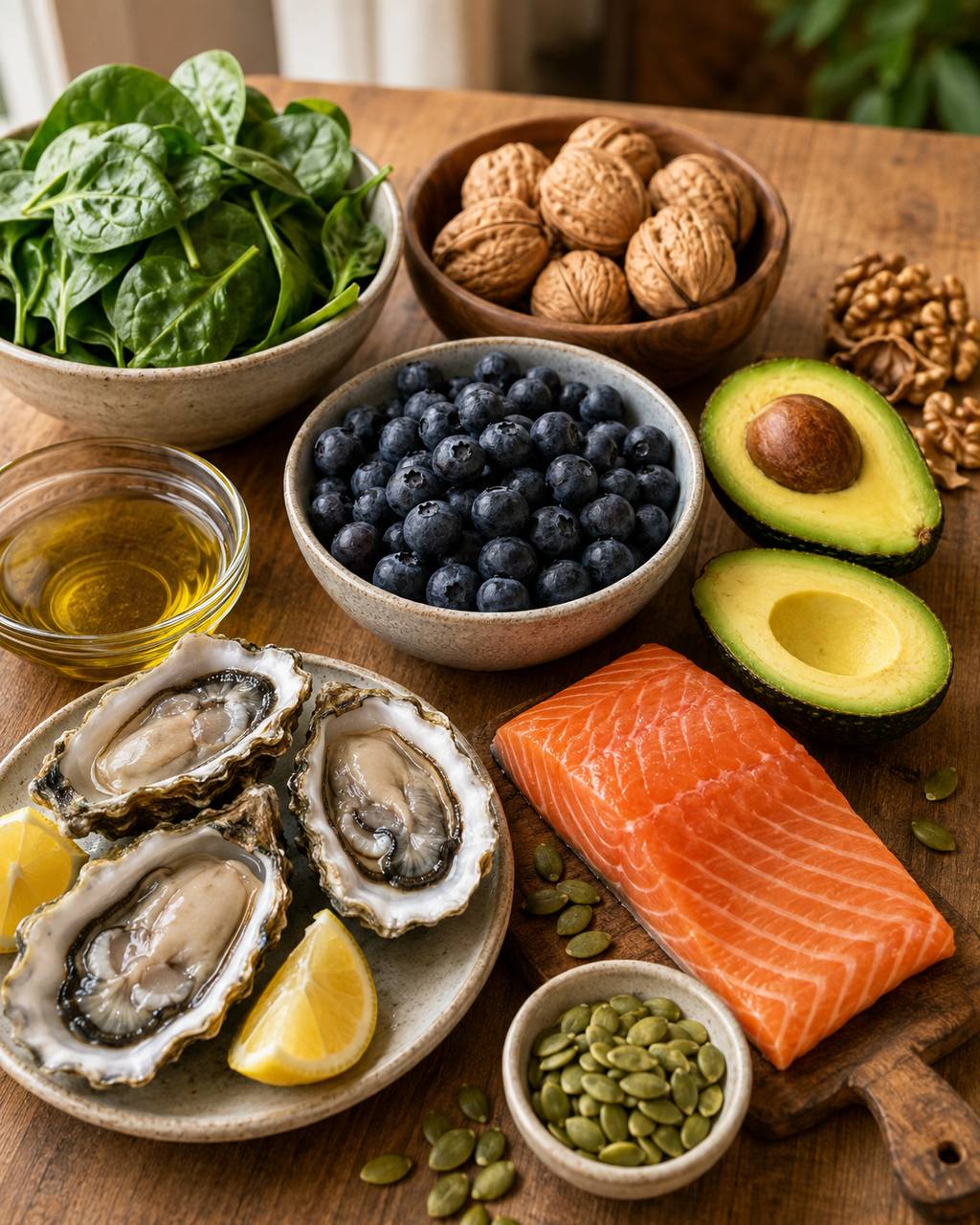
After age 50, male reproductive health involves more than fertility. Prostate function, hormone balance, vascular health, and overall vitality all become increasingly relevant. While diet alone cannot reverse age-related changes or treat medical conditions, certain nutrient-rich foods supply compounds that support these systems when eaten regularly as part of a balanced lifestyle.
This article highlights six practical, widely available foods that research and clinical nutrition link to better prostate health, antioxidant protection, healthy blood flow, and hormonal support. Each section explains why the food matters, how to eat it, and what results are realistic.
Why Diet Matters for Male Reproductive Health After 50
Key age-related concerns include:
- Gradual prostate enlargement (benign prostatic hyperplasia)
- Rising risk of prostate cancer
- Changes in testosterone levels
- Vascular health that affects erectile function
- Increased oxidative stress and inflammation
Foods rich in lycopene, omega-3 fatty acids, zinc, selenium, antioxidants, and healthy fats can play a supportive role. They work best alongside regular physical activity, weight management, not smoking, limited alcohol, and appropriate medical care.
1. Cooked Tomatoes and Tomato Products
Cooked tomatoes are one of the best dietary sources of lycopene, a carotenoid concentrated in the prostate.
Why it helps: Higher lycopene intake has been associated in observational studies with better prostate health outcomes. Cooking and consuming tomatoes with a little fat improves lycopene absorption.
Easy ways to eat: Tomato sauce, roasted tomatoes, tomato paste stirred into soups and stews, or canned tomatoes. Aim for several servings per week.
Tip: Pair with olive oil for better absorption.
2. Fatty Fish (Salmon, Sardines, Mackerel)
Fatty fish provide high-quality protein and omega-3 fatty acids (EPA and DHA).
Why it helps: Omega-3s support healthy blood vessels and help manage inflammation. Good vascular function is important for erectile health. Fatty fish also supply vitamin D, which many men are low in after 50.
Easy ways to eat: Baked or grilled salmon twice a week, canned sardines or salmon on whole-grain toast or in salads. Canned options are convenient and budget-friendly.
Tip: Choose smaller fish more often if mercury is a concern.
3. Walnuts and Other Nuts
Walnuts stand out for their omega-3 content (alpha-linolenic acid), antioxidants, and minerals. Brazil nuts are notable for selenium.
Why it helps: Nuts support heart and blood-vessel health, provide minerals involved in reproductive function, and deliver anti-inflammatory fats. Selenium (especially from Brazil nuts) acts as an antioxidant.
Easy ways to eat: A small handful of walnuts daily, or mixed unsalted nuts. Add to oatmeal, yogurt, or salads. Limit Brazil nuts to a few per day to avoid excess selenium.
Tip: Choose raw or dry-roasted unsalted varieties.
4. Berries (Blueberries, Strawberries, Raspberries)
Berries are rich in anthocyanins and other polyphenol antioxidants.
Why it helps: Antioxidants help counter oxidative stress, which increases with age and can affect both prostate and vascular health. Berries are also low-to-moderate in sugar and high in fiber when eaten whole.
Easy ways to eat: Fresh or frozen berries added to breakfast, yogurt, or as a snack. Frozen berries are just as nutritious and often more economical.
Tip: Pair with a protein source (Greek yogurt or a few nuts) for a balanced snack.
5. Cruciferous Vegetables and Leafy Greens (Broccoli, Brussels Sprouts, Spinach, Kale)
These vegetables provide fiber, vitamins, minerals, and unique plant compounds (including glucosinolates in cruciferous vegetables).
Why it helps: Regular intake of cruciferous vegetables has been linked in some studies to better prostate health markers. Leafy greens supply magnesium, folate, and antioxidants that support overall vascular and cellular health.
Easy ways to eat: Steamed or roasted broccoli and Brussels sprouts, sautéed spinach or kale, or blended into soups. Aim for at least several servings per week.
Tip: Light cooking improves the availability of some beneficial compounds and makes the vegetables easier to digest.
6. Eggs
Eggs are an affordable, nutrient-dense source of high-quality protein, vitamin D, choline, and healthy fats.
Why it helps: Adequate protein supports hormone production and muscle maintenance. Vitamin D plays a role in multiple aspects of male health, and many men over 50 have insufficient levels. Choline contributes to cell membrane health.
Easy ways to eat: Soft scrambled, boiled, or poached eggs at breakfast or added to vegetable dishes. Most healthy men can eat 1–2 eggs daily as part of a balanced diet.
Tip: Include the yolk—the nutrients are concentrated there.
How to Put These Foods into Practice
A sample day could include:
- Breakfast: Eggs with spinach and tomatoes
- Snack: A small handful of walnuts and berries
- Lunch or dinner: Salmon or another fatty fish with roasted broccoli and a tomato-based side
Consistency matters more than perfection. Focus on including several of these foods most days of the week rather than forcing large amounts of any single item.
Important Realistic Expectations
These foods support reproductive and prostate health through nutrition. They do not:
- Cure erectile dysfunction
- Shrink an enlarged prostate
- Replace medical treatment or screening
- Dramatically raise testosterone on their own
Men experiencing urinary symptoms, erectile difficulties, or other concerns should consult a doctor. Diet works best as part of a complete approach that includes medical care when needed.
Cautions
- Men with specific medical conditions (advanced kidney disease, allergies, or those on certain medications) should check with their doctor or a registered dietitian before making major dietary changes.
- Brazil nuts are very high in selenium—limit to a few per day.
- Overall calorie and portion balance still matter for weight management, which itself influences hormone health and prostate risk.
Frequently Asked Questions
Can diet alone protect prostate health?
No single food or diet offers complete protection, but patterns rich in vegetables, healthy fats, and lycopene-containing foods are associated with better outcomes in research.
How quickly can these foods help?
Nutritional effects are gradual. Improvements in overall health markers may appear over weeks to months of consistent intake.
Are supplements better than food?
In most cases, whole foods are preferable. They provide a complex mix of nutrients and fiber that isolated supplements lack. Discuss any supplements with a doctor.
Should younger men also eat these foods?
Yes. The same nutritional principles support long-term health at any age.
Final Thoughts
Cooked tomatoes, fatty fish, walnuts, berries, cruciferous vegetables and leafy greens, and eggs form a practical group of nutrient-rich foods that support male reproductive and prostate health after 50. They supply lycopene, omega-3 fatty acids, antioxidants, protein, vitamin D, and other beneficial compounds that work together over time.
The greatest benefits come from eating them regularly as part of an overall healthy pattern that also includes physical activity, weight control, and appropriate medical care. Start with one or two simple additions—such as eggs at breakfast and a tomato-based sauce at dinner—and build from there. Small, consistent dietary upgrades often deliver meaningful support for long-term vitality and health.