
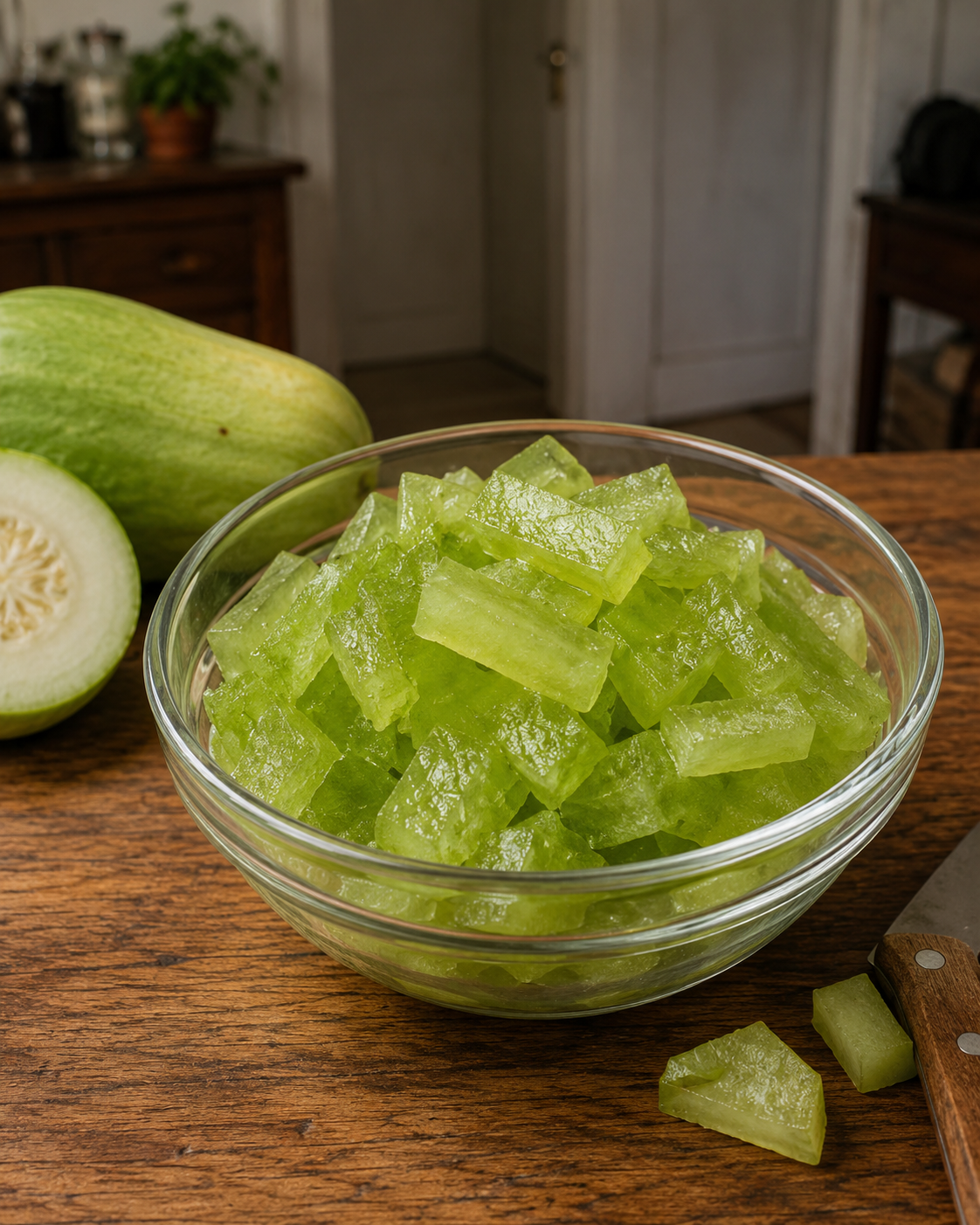
Aloe vera has a powerful reputation.
People use it on burns, irritated skin, dry skin, and minor wounds. That has helped create a much bigger claim online:
“Aloe vera sends a healing shockwave through painful knees, rebuilds bone, and relieves joint pain from the inside.”
That sounds impressive—especially for someone over 50 dealing with stiff knees, aching joints, or pain when climbing stairs.
But the evidence is much more limited.
Aloe vera has not been proven to rebuild cartilage, repair damaged bone, reverse osteoarthritis, or reliably relieve chronic knee pain.
Topical aloe gel does have evidence for some skin conditions and burn-related pain, but major osteoarthritis guidelines do not list aloe vera as a standard knee-pain treatment.
The useful question, then, is not whether aloe is a miracle joint cure.
It is:
Where might aloe fit safely—and what actually helps knee pain and bone health?
🌿 Why Aloe Vera Sounds Like a Joint Remedy
Aloe vera contains many compounds that have been studied in laboratory settings.
That includes plant sterols, polysaccharides, phenolic compounds, and other bioactive substances.
Because aloe has anti-inflammatory activity in some experimental models, it is easy to jump from:
“Aloe contains biologically active compounds”
to:
“Aloe heals arthritis.”
Those are not the same conclusion.
A substance can produce an interesting laboratory effect without becoming a proven treatment in people with osteoarthritis.
That distinction matters.
🦵 What Is Actually Happening in Knee Osteoarthritis?
The most common chronic knee problem after middle age is osteoarthritis, or OA.
OA isn’t simply “inflammation in the knee.”
It involves changes in several parts of the joint, including cartilage, bone, synovium, muscles, and surrounding tissues.
Symptoms may include:
Pain during walking.
Stiffness after sitting.
Difficulty climbing stairs.
Reduced range of motion.
Swelling.
Grinding or creaking.
Weakness around the knee.
That complexity is why one plant gel is unlikely to repair the entire joint.
📊 Viral Claim vs. Evidence
| Viral claim | What we know |
| Aloe rebuilds knee cartilage | Not established |
| Aloe repairs aging bones | Not established |
| Aloe cures arthritis | No |
| Aloe gel may soothe some skin problems | Yes |
| Oral aloe can cause side effects | Yes |
| Exercise helps knee OA pain and function | Strong evidence |
| Weight reduction can help if overweight | Strong evidence |
| Topical NSAIDs can help knee OA | Strong evidence |
| Knee pain has many possible causes | Yes |
The American College of Rheumatology/Arthritis Foundation strongly recommends exercise for knee OA and weight loss for people with knee or hip OA who have overweight or obesity. It also strongly recommends topical NSAIDs for knee OA. Aloe isn’t among the guideline-supported core treatments.
🌿 Can Aloe Gel Help When Rubbed on the Knee?
This is where expectations need to stay realistic.
Aloe gel can feel:
Cool.
Moisturizing.
Soothing.
That sensation may make a sore area feel temporarily comfortable.
But aloe applied to the skin does not penetrate deeply enough to rebuild worn cartilage or reshape arthritic bone.
NCCIH reports that topical aloe has been studied primarily for conditions such as burns, acne, psoriasis, and certain other skin problems. Evidence for many other promoted uses remains insufficient.
So if rubbing aloe on your knee feels pleasant, that’s one thing.
Calling it cartilage repair is another.
🧴 A Simple Aloe Cooling Gel
If your skin tolerates aloe, you can use a small amount of commercially prepared aloe gel as a comfort measure.
Apply a thin layer over intact skin around the knee.
Let it dry.
Wash your hands afterward.
Do not apply it over open wounds or irritated skin unless your clinician advises it.
And stop if you develop:
Burning.
Itching.
Redness.
Rash.
NCCIH notes that topical aloe is generally well tolerated, although occasional burning, itching, rash, and eczema have been reported.
🚫 Mistake #1: Thinking Cooling Means Healing
This happens with many topical remedies.
Something feels cool.
Pain settles temporarily.
Then people assume:
“The cartilage is regenerating.”
Not necessarily.
Temporary comfort is valuable.
But symptom relief and structural repair are different outcomes.
Ice can reduce discomfort without rebuilding cartilage.
Heat can loosen stiff tissues without reversing arthritis.
Aloe can feel soothing without restoring the joint.
🚫 Mistake #2: Drinking Aloe to “Lubricate” the Joints
This claim shows up frequently online.
The idea is that aloe gel enters the bloodstream and somehow travels directly into the knee to “lubricate” cartilage.
That’s not how joint lubrication works.
Synovial fluid is produced inside the joint.
Drinking aloe doesn’t pour fresh lubricant into the knee.
And oral aloe has additional safety concerns.
NCCIH warns that aloe latex taken by mouth can cause abdominal pain, cramps, and diarrhea. Oral aloe leaf extracts have also been linked in case reports to acute hepatitis, and some aloe preparations differ substantially in composition and safety.
⚠️ Aloe Gel, Aloe Latex, and Whole Leaf Are Not the Same
This distinction is extremely important.
An aloe leaf contains different components.
Inner gel
The clear inner material commonly used in topical products.
Aloe latex
A yellowish layer found beneath the outer leaf.
Whole-leaf extract
Contains components from more of the leaf.
These products are not interchangeable.
NCCIH notes that aloe latex was removed from over-the-counter laxative products in the United States because manufacturers had not provided adequate safety data.
So don’t assume:
“It’s aloe, therefore it’s safe to drink.”
🚽 Why Aloe Latex Can Be a Problem
Aloe latex has a strong laxative effect.
That means excessive intake can lead to:
Diarrhea.
Abdominal cramps.
Fluid loss.
Electrolyte disturbances.
For an older adult taking several medications, this can become much more important than the supposed joint benefit.
NCCIH also warns that overuse of aloe latex may increase adverse effects from cardiac glycosides such as digoxin.
Natural doesn’t mean interaction-free.
💊 Medication Interactions Matter After 50
Many people with knee pain also take medication for:
High blood pressure.
Diabetes.
Heart disease.
Blood thinning.
Kidney disease.
Other chronic conditions.
NCCIH recommends discussing aloe and other herbal products with a healthcare professional when taking medications because harmful interactions can occur.
This becomes especially important with concentrated extracts and oral supplements.
Using a spoonful of normal food is one thing.
Using an herbal concentrate as medicine is another.
🦴 What About Bone Pain?
Here’s another major misconception.
“Bone pain” and “knee arthritis” are not automatically the same thing.
Pain near the knee can come from:
Osteoarthritis.
Muscles.
Tendons.
Ligaments.
Bursae.
Meniscus injury.
Nerve irritation.
Referred pain from the hip or back.
Inflammatory arthritis.
Gout.
Trauma.
Occasionally, bone disease.
If the pain is persistent, severe, unexplained, or occurs at night, don’t automatically label it “arthritis” and start aloe.
The diagnosis matters.
🦴 Aloe Isn’t a Treatment for Osteoporosis
Osteoporosis weakens bone and increases fracture risk.
It usually doesn’t announce itself as ordinary knee pain.
Aloe vera isn’t an established treatment for osteoporosis.
Protecting bone generally involves factors such as:
Adequate calcium from diet.
Vitamin D when appropriate.
Resistance and weight-bearing exercise.
Avoiding smoking.
Limiting excessive alcohol.
Fall prevention.
And, when indicated, osteoporosis medications.
Aloe doesn’t replace any of those.
🏋️ What Actually Has Strong Evidence for Knee OA?
One answer stands out repeatedly:
Exercise
The ACR/Arthritis Foundation guideline strongly recommends exercise for knee, hip, and hand osteoarthritis.
This doesn’t mean:
“Run through severe pain.”
It means properly selected movement can improve:
Strength.
Joint function.
Mobility.
Confidence.
Pain control.
Different people may benefit from different forms of exercise.
Walking.
Cycling.
Water exercise.
Strength training.
Tai chi.
Supervised physical therapy.
The best program is one you can perform safely and consistently.
🦵 Stronger Thighs Can Help a Painful Knee
The quadriceps muscles help stabilize the knee.
When they’re weak, normal activities can become more difficult.
A simple strengthening routine may include exercises such as:
Sit-to-stand movements.
Straight-leg raises.
Supported mini-squats.
Step exercises.
Resistance-band work.
But the right exercise depends on your condition.
If the knee is unstable, recently injured, severely swollen, or extremely painful, have it assessed before aggressively training it.
⚖️ Weight Can Matter More Than Any Plant Remedy
For people with overweight or obesity and knee OA, weight loss is strongly recommended in the ACR guideline.
Even modest weight reduction can improve symptoms, and benefits generally increase as more excess weight is lost.
That isn’t about appearance.
It’s about mechanical loading.
Every step sends forces through the knee.
Reducing excess body weight can reduce that repeated load.
Aloe can’t duplicate that mechanical effect.
🧴 What About Pain-Relief Gels?
There actually are topical treatments supported by evidence.
Topical NSAIDs are strongly recommended for knee OA in major guidelines.
These are medicines applied directly over the painful joint.
They can provide pain relief with less systemic exposure than oral NSAIDs, although they can still have risks and aren’t appropriate for everyone.
That’s very different from an aloe gel marketed as “joint regeneration.”
💊 Oral Painkillers Need More Caution
Oral NSAIDs can help osteoarthritis pain, but they also carry potential gastrointestinal, cardiovascular, and kidney risks.
The ACR guideline strongly recommends oral NSAIDs for appropriate patients while emphasizing clinical risk assessment and monitoring.
This is especially important for older adults.
Someone with:
Kidney disease.
Heart disease.
History of ulcers.
Blood-thinning medication.
Uncontrolled hypertension.
may require particular caution.
Don’t assume that because a drug is available without a prescription it’s harmless.
🔥 Heat or Ice?
Both can be useful depending on the situation.
Heat
May feel better for stiffness.
A warm shower or heating pad can loosen tissues before movement.
Ice
May feel better after activity or when the knee feels warm and swollen.
Neither rebuilds cartilage.
But symptom management is still worthwhile.
The goal isn’t always to find a miracle cure.
Sometimes the goal is to move better and hurt less.
🥗 Can Food Reduce Knee Pain?
No one food has been proven to reverse osteoarthritis.
But diet can still matter.
A nutrient-dense pattern can support:
Healthy weight.
Muscle maintenance.
Cardiovascular health.
Metabolic health.
Adequate protein intake.
Try building meals around:
Vegetables.
Fruit.
Beans.
Fish.
Whole grains.
Olive oil.
Nuts.
Adequate protein.
That’s a far more useful strategy than drinking a large glass of aloe every morning.
🐟 What About Omega-3s?
Fatty fish such as:
Salmon.
Sardines.
Trout.
can fit into an overall healthy dietary pattern.
Omega-3 fats are scientifically interesting in inflammation research.
But osteoarthritis is not cured simply by adding fish oil.
Use food as part of the overall plan rather than expecting one nutrient to restore worn cartilage.
🥛 Bone-Friendly Nutrition Still Matters
For bone health, adequate calcium and vitamin D are important.
Food sources of calcium may include:
Dairy products.
Fortified alternatives.
Certain fish.
Selected greens.
Other fortified foods.
Vitamin D needs vary based on diet, sun exposure, age, medical conditions, and lab results.
But again:
Bone nutrition is not the same as treating knee osteoarthritis.
A person can have strong bones and still develop knee OA.
A person can also have osteoporosis without knee OA.
🚫 8 Common Aloe-and-Knee Mistakes
1. Expecting Cartilage Regrowth
Aloe hasn’t been proven to regenerate worn knee cartilage.
2. Assuming Cooling Means Structural Repair
Feeling better doesn’t prove the joint has healed.
3. Drinking Raw Aloe Latex
It can cause cramps and diarrhea and may create medication-related risks.
4. Using Whole-Leaf Products Without Understanding Them
Different aloe preparations have different chemical compositions and safety profiles.
5. Replacing Exercise With Supplements
Exercise remains one of the strongest evidence-based treatments for knee OA.
6. Ignoring Excess Weight
When relevant, weight reduction can improve pain and function.
7. Assuming Every Knee Pain Is Arthritis
Injury, gout, bursitis, inflammatory arthritis, infection, and other problems can resemble OA.
8. Ignoring a Hot, Swollen Knee
A dramatically swollen, red, hot knee needs proper evaluation.
📅 A Better 7-Day Knee Routine
Instead of a seven-day aloe cure, try using one week to build a safer foundation.
Day 1
Track when your knee hurts.
Walking?
Stairs?
Morning?
After sitting?
At night?
Day 2
Try gentle movement.
Avoid staying completely inactive all day.
Day 3
Begin appropriate thigh-strengthening exercises.
Day 4
Review footwear.
Poorly supportive shoes may make walking less comfortable.
Day 5
Use heat for stiffness or cold after activity if either feels helpful.
Day 6
Review your weight, activity level, and diet without chasing crash diets.
Day 7
Assess whether pain, swelling, and function are improving.
If symptoms continue or worsen, get the knee evaluated.
🚨 When Knee Pain Needs Prompt Medical Attention
Don’t treat every painful knee with aloe.
Seek prompt medical care if you have:
A knee that becomes very hot, red, and swollen.
Fever with severe joint pain.
Inability to put weight on the leg after an injury.
Major deformity.
Sudden severe swelling.
A locked knee.
Significant calf swelling or tenderness.
Chest pain or shortness of breath with leg swelling.
Those situations may involve problems far beyond routine osteoarthritis.
❓ Frequently Asked Questions
Can aloe vera cure knee arthritis?
No. Aloe vera isn’t an established cure for osteoarthritis.
Can aloe rebuild cartilage?
There isn’t good clinical evidence that aloe regenerates damaged knee cartilage in people.
Can rubbing aloe gel reduce knee pain?
It may feel cooling or soothing on the skin, but strong evidence showing that topical aloe treats osteoarthritis pain is lacking.
Is drinking aloe good for joints?
There’s insufficient evidence to recommend oral aloe as a joint treatment, and some forms—particularly aloe latex—carry safety concerns.
Can I drink fresh aloe directly from the plant?
Be cautious. Different parts of the aloe leaf aren’t equivalent, and the latex portion can cause significant gastrointestinal effects. Commercial preparations also vary.
Does aloe strengthen bones?
It hasn’t been established as a treatment for osteoporosis or as a way to rebuild aging bone.
What’s one of the best-supported treatments for knee OA?
Exercise is among the strongest guideline-supported treatments.
Can weight loss really help?
For people with overweight or obesity, yes. Weight loss is strongly recommended for knee and hip OA and can improve symptoms and function.
Are topical pain medicines useful?
Topical NSAIDs are strongly recommended for knee OA in major guidelines, though suitability depends on the person’s medical history.
Should I stop moving when my knee hurts?
Usually, complete inactivity isn’t the goal in osteoarthritis. Appropriate exercise and strengthening are central treatments, though an acute injury or severe symptoms may require temporary modification and medical evaluation.
⭐ The Bottom Line
Aloe vera is a fascinating plant.
Its topical gel has legitimate uses and has been studied for burns and several skin conditions.
But there is no strong clinical evidence that aloe sends a “healing shockwave” through the knees, rebuilds cartilage, repairs aging bones, or reverses osteoarthritis.
And drinking aloe isn’t automatically harmless.
Aloe latex can cause cramping and diarrhea, oral aloe products vary substantially, and herbal products can interact with medications.
For knee osteoarthritis, the strongest evidence points toward a much less dramatic combination:
Appropriate exercise.
Muscle strengthening.
Weight management when relevant.
Education and self-management.
Topical NSAIDs when medically appropriate.
And individualized medical treatment when symptoms require more help.
So keep aloe for the uses where it makes sense.
Use the gel on intact skin if you enjoy its cooling feel and tolerate it.
But don’t ask it to rebuild a damaged knee.
The real “shockwave” for long-term joint health is consistent movement, stronger muscles, appropriate body weight, and evidence-based treatment—not a miracle plant remedy.