
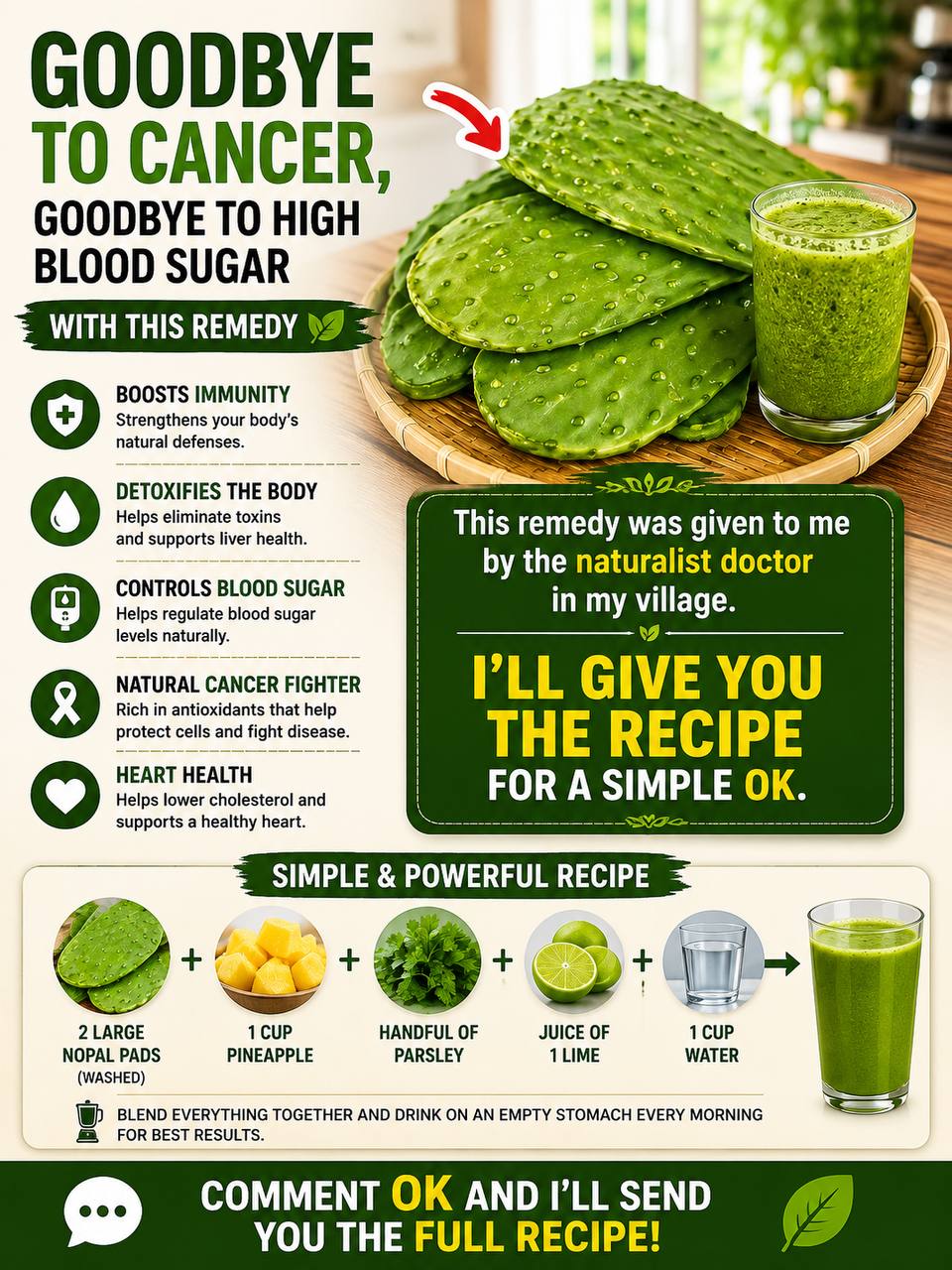
Prickly pear cactus (Opuntia species) has been a food source for centuries in Mexico, the southwestern United States, and other arid regions. Both the flat green pads (nopales) and the colorful fruit (tunas) are edible once the spines are carefully removed. In recent years, prickly pear has appeared in juices, smoothies, and “green drinks” promoted for blood sugar support, antioxidant benefits, digestion, and overall wellness.
This article explains how to prepare a simple nutritious prickly pear cactus drink, separates evidence-based facts from exaggerated claims, and outlines who should use caution. The goal is practical, realistic information rather than hype.
What Parts of the Prickly Pear Are Used?
- Pads (nopales): Young, tender green pads are commonly used as a vegetable. They have a mild, slightly tart, green-bean-like flavor and a mucilaginous texture when cooked or blended.
- Fruit (tunas): The pear-shaped fruit ranges from green to red or purple and offers a sweet-tart taste. The fruit is higher in natural sugar than the pads.
- Most “green” cactus drinks focus on the pads for lower sugar and higher fiber content. Fruit can be added for sweetness and color.
Spines and glochids (tiny hair-like prickles) must be completely removed before use. Commercial cleaned nopales are available in many markets and are the easiest option for beginners.
Simple Prickly Pear Cactus Green Drink Recipe
Ingredients (1–2 servings)
- 1 cup cleaned, diced young prickly pear pads (nopales)
- ½ cucumber, chopped
- 1 celery stalk
- Juice of ½ lemon or lime
- ½ green apple or a few chunks of pineapple (optional, for mild sweetness)
- Small handful of fresh mint or cilantro (optional)
- ½–1 cup water or coconut water
- Ice (optional)
Instructions
- If using fresh pads, carefully remove all spines and glochids (wear gloves). Rinse well and dice.
- Add the nopales, cucumber, celery, lemon/lime juice, optional fruit or herbs, and liquid to a blender.
- Blend until smooth. Add more liquid if needed for desired consistency.
- Strain through a fine mesh sieve or nut milk bag if you prefer a smoother juice (the pulp is high in fiber and can be eaten separately).
- Taste and adjust with a little more citrus if desired. Serve immediately.
Notes
- Start with a smaller amount of nopales if you are new to the texture or taste.
- Fresh is best; the drink does not store well for long periods.
- For a milder flavor, lightly steam or blanch the pads before blending.
Nutritional Profile Highlights
Prickly pear pads are low in calories and provide:
- Dietary fiber (including viscous fiber)
- Vitamin C
- Magnesium, potassium, and small amounts of calcium
- Antioxidants and polyphenols
- Betalains (in colored varieties) and other plant compounds
The fruit adds more natural sugars and additional vitamin C and antioxidants. A blended drink that includes vegetables and limited fruit keeps the overall sugar content moderate.
Health Claims vs. What the Evidence Shows
Blood sugar support
Some human and animal studies suggest that prickly pear pads may help moderate post-meal blood glucose rises, possibly due to fiber and other compounds that slow carbohydrate absorption. Effects are generally modest and most relevant when the cactus is eaten as food rather than relied upon as a treatment. It does not replace diabetes medications or medical care.
Antioxidant and anti-inflammatory effects
Prickly pear contains various antioxidants. Laboratory and some preliminary studies indicate potential to reduce oxidative stress markers. Human evidence for meaningful clinical benefits remains limited.
Digestive support
The fiber content (especially the mucilage) can support regularity for some people. Suddenly increasing fiber intake may cause bloating or gas, so gradual introduction is wise.
Hydration and electrolyte contribution
The high water content of the pads and added cucumber/celery makes the drink hydrating. Potassium content supports normal fluid balance.
Weight management and “detox” claims
Any contribution to weight management comes mainly from replacing higher-calorie beverages and increasing fiber and volume with few calories. There is no strong evidence that prickly pear “detoxifies” the body beyond the normal work of the liver and kidneys.
Cholesterol and heart health
A few studies have explored possible modest benefits for cholesterol levels. Results are mixed and not strong enough to recommend prickly pear as a primary strategy.
Overall, prickly pear can be a nutritious addition to a balanced diet. Many of the stronger marketing claims go beyond current solid evidence.
Potential Risks and Side Effects
- Digestive discomfort: High fiber and mucilage can cause bloating, gas, or loose stools if introduced quickly or consumed in large amounts.
- Oxalates: Cactus pads contain oxalates. People with a history of calcium oxalate kidney stones should use moderation and discuss with a doctor.
- Blood sugar lowering: Those on diabetes medications should monitor glucose levels, as additive effects are possible.
- Allergic reactions: Rare, but possible. Stop use if itching, swelling, or other symptoms occur.
- Spines and preparation hazards: Incomplete removal of glochids can irritate skin or mouth.
- Interactions: Limited data exist, but caution is reasonable with blood-sugar-lowering or other medications.
Pregnant or breastfeeding individuals and people with significant kidney disease should consult a healthcare provider before regular use.
Practical Tips for Best Results
- Buy pre-cleaned nopales when possible to reduce preparation effort and risk.
- Begin with small servings (½ cup pads) to assess tolerance.
- Pair the drink with a source of protein or healthy fat if using it as part of a meal to further support blood sugar stability.
- Use it as a vegetable-based hydration option rather than a miracle tonic.
- Focus on overall diet quality—prickly pear works best alongside plenty of varied vegetables, adequate protein, and controlled portions of refined carbohydrates.
Frequently Asked Questions
Can I use the fruit instead of the pads?
Yes. The fruit makes a sweeter, more colorful drink but contributes more natural sugar. Combining a small amount of fruit with pads is a good middle ground.
Is store-bought prickly pear juice the same?
Commercial juices vary widely. Many are fruit-based, sweetened, or diluted. Reading labels is essential. Homemade versions using pads give more control over ingredients and fiber content.
How often can I drink it?
Most healthy people can enjoy it several times per week. Daily use is fine if tolerated, but variety in vegetables is still important.
Will it help me lose weight?
Only indirectly—by providing volume and fiber with few calories and by replacing less nutritious drinks. Sustainable weight management depends on overall calorie balance, protein intake, and activity.
Does cooking the pads reduce benefits?
Light cooking can improve digestibility and reduce some of the slimy texture while retaining much of the fiber and nutrients. Raw blending preserves maximum vitamin C and enzymes but may be harder for some people to tolerate.
Final Thoughts
A prickly pear cactus green drink can be a refreshing, fiber-rich, low-calorie way to increase vegetable intake and support hydration. The pads offer a unique nutritional profile with potential modest benefits for blood sugar management and antioxidant status when consumed as part of a healthy diet.
Most dramatic health claims exceed the current evidence. Prickly pear is a nutritious food, not a medicine. The greatest value comes from using it as one more vegetable in a varied, balanced eating pattern rather than expecting dramatic therapeutic effects.
Prepare it carefully (or buy cleaned pads), introduce it gradually, and pay attention to how your body responds. If you have diabetes, kidney stones, or take medications regularly, discuss regular use with your healthcare provider. When approached with realistic expectations, prickly pear can be a flavorful and healthful addition to your routine.