
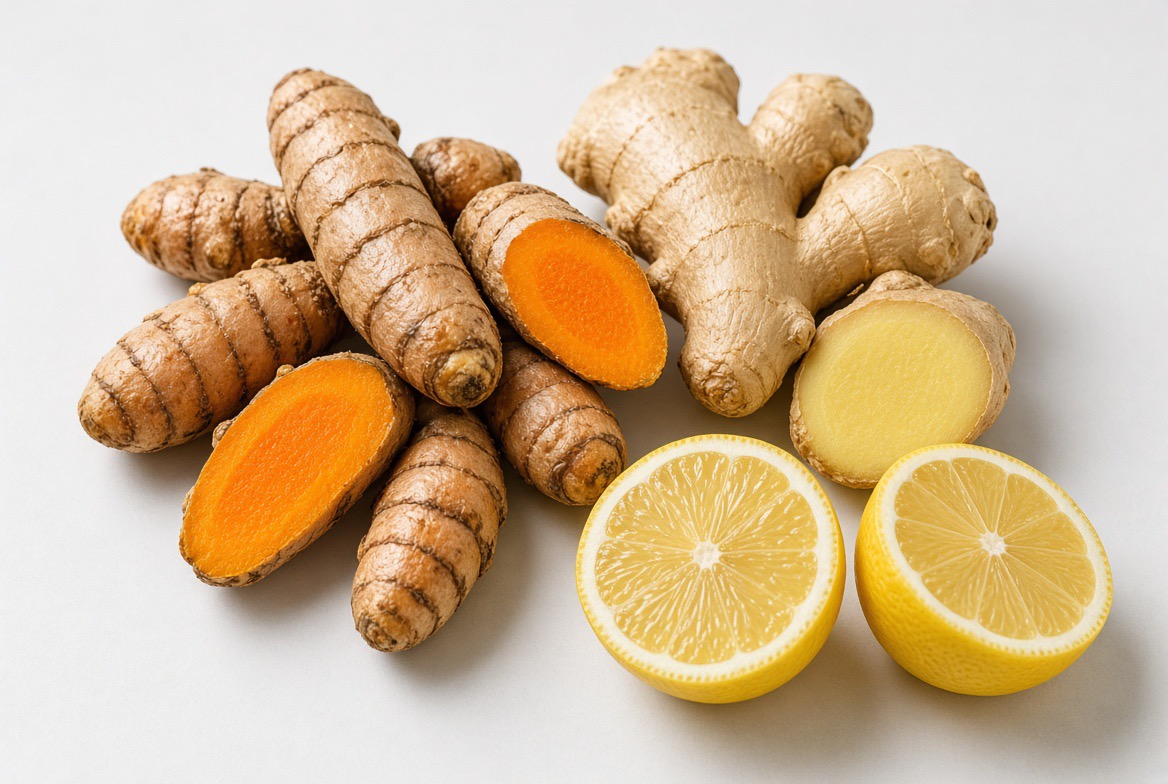
Imagine being told that one simple drink could make diabetes and high blood pressure disappear.
No expensive treatments.
No daily medications.
No complicated dietary changes.
Just a warm cup of turmeric, ginger, and lemon every morning.
It’s the kind of promise that spreads quickly on social media, especially among adults looking for natural ways to improve their health.
Some viral posts suggest:
“Drink this every morning and say goodbye to diabetes!”
“Turmeric and ginger eliminate high blood pressure naturally.”
“One cup cleans your arteries and balances blood sugar.”
“This powerful mixture works better than medication.”
But what does the science actually say?
Turmeric, ginger, and lemon contain interesting nutrients and plant compounds. Researchers have investigated turmeric and ginger supplements for potential effects on inflammation, glucose metabolism, and cardiovascular health.
However, there is no convincing clinical evidence that drinking turmeric-ginger-lemon water every morning cures diabetes, eliminates hypertension, or replaces prescribed medication.
Let’s examine the ingredients, the research, the possible benefits, and the important safety precautions.
Important Medical Disclaimer
This article provides general health information and does not replace professional medical advice.
Never stop insulin, diabetes medication, or blood-pressure medication because of a homemade drink.
Untreated diabetes and hypertension can increase the risk of heart attacks, strokes, kidney disease, nerve damage, and vision problems.
Concentrated turmeric or ginger supplements may also interact with medication.
People with liver disease, gallbladder problems, kidney disease, bleeding disorders, or multiple prescriptions should discuss medicinal-strength herbal products with their healthcare professional.
1. What Is the Viral Turmeric-Ginger-Lemon Drink?
The recipe usually combines three ingredients:
Turmeric: A golden-yellow spice containing curcuminoids.
Ginger: A warming, aromatic root containing gingerols and shogaols.
Lemon: A citrus fruit providing acidity, flavor, and vitamin C.
Some versions also add black pepper, honey, cinnamon, or apple cider vinegar.
The mixture is often promoted as a powerful natural remedy.
But combining ingredients with interesting biological properties does not automatically create an effective treatment.
A homemade beverage is not equivalent to a standardized supplement used in a clinical trial.
2. A Simple Turmeric-Ginger-Lemon Drink Recipe
If you enjoy these ingredients, you can prepare a mild version as an unsweetened beverage.
Ingredients
- 2 cups water
- ½ inch fresh ginger, thinly sliced
- ¼ teaspoon ground turmeric
- 1 tablespoon freshly squeezed lemon juice
- Ice cubes, optional
Preparation time: 5 minutes
Steeping time: 5–10 minutes
Servings: 2 small cups
Instructions
Step 1: Wash the ginger and lemon thoroughly.
Step 2: Slice the ginger into thin pieces.
Step 3: Bring two cups of water to a gentle simmer.
Step 4: Add the ginger and turmeric.
Step 5: Simmer gently for approximately five minutes.
Step 6: Turn off the heat and allow the mixture to steep for another five minutes.
Step 7: Strain if desired.
Step 8: Add the lemon juice.
Serve warm.
No honey or sugar is necessary.
Important: This is a culinary drink, not a scientifically established therapeutic dose.
3. What Is Turmeric?
Turmeric comes from the underground stem of Curcuma longa.
It is widely used in curries, soups, rice dishes, and traditional beverages.
Its golden color comes mainly from compounds called curcuminoids, including curcumin.
Researchers have investigated curcumin for possible biological effects involving:
Inflammatory signaling.
Oxidative stress.
Metabolism.
And various cellular processes.
However, the National Institutes of Health’s National Center for Complementary and Integrative Health (NCCIH) states that there isn’t enough evidence to definitively conclude that turmeric or curcumin is beneficial for most health conditions.
Laboratory findings are not the same as demonstrated clinical benefits.
4. What Is Ginger?
Ginger, scientifically known as Zingiber officinale, has been used in cooking and traditional preparations for centuries.
Its characteristic flavor comes from compounds such as gingerols and shogaols.
Ginger has been studied in humans for:
Nausea.
Certain digestive symptoms.
Menstrual discomfort.
Osteoarthritis symptoms.
And potential metabolic effects.
Of these, certain forms of nausea have relatively stronger clinical evidence.
Research on diabetes and cardiovascular effects is less conclusive.
5. What Does Lemon Contribute?
Lemon provides a refreshing citrus flavor and vitamin C.
Vitamin C supports normal immune function, collagen synthesis, and antioxidant defenses.
However, the small amount of lemon juice used in this recipe doesn’t provide a concentrated therapeutic dose of vitamin C.
And vitamin C is not a cure for diabetes or hypertension.
Lemon may make an unsweetened drink more enjoyable.
That is a realistic advantage.
6. Can Turmeric Lower Blood Sugar?
Some studies have examined turmeric or curcumin supplements in people with metabolic conditions.
Researchers have reported possible improvements in certain glucose-related measurements in some trials.
However, results vary according to:
Supplement formulation.
Dose.
Duration.
Participant characteristics.
And study quality.
The findings do not establish that ordinary turmeric tea can reverse diabetes.
NCCIH emphasizes that most dietary supplements have insufficient evidence to support their use for diabetes or its complications.
Turmeric should never replace prescribed glucose-lowering medication.
7. Can Ginger Improve Blood Sugar Control?
Ginger has also been studied in people with type 2 diabetes.
An updated meta-analysis published in 2026 examined 13 articles investigating ginger supplementation.
The researchers reported average improvements in certain metabolic measurements, including fasting glucose and HbA1c.
However, the findings showed substantial variability between studies, and the authors considered the clinical importance of some effects limited.
More importantly, these studies investigated ginger supplementation—not the mild homemade beverage described here.
Therefore, the findings cannot establish that one cup of ginger tea normalizes blood sugar.
8. What Is HbA1c?
HbA1c is a blood test that reflects average blood-glucose levels over roughly the previous two to three months.
Healthcare professionals use it to help diagnose and monitor diabetes.
A short-term change in blood glucose after drinking water or tea doesn’t mean diabetes has disappeared.
Meaningful diabetes management involves longer-term measurements and individual treatment goals.
That is why a dramatic claim such as “diabetes gone in seven days” is scientifically misleading.
9. Can Type 2 Diabetes Go Into Remission?
Yes, some people with type 2 diabetes can achieve remission.
But remission is not the same as a guaranteed permanent cure.
An international expert consensus supported by the American Diabetes Association defines type 2 diabetes remission as an HbA1c below 6.5% that persists for at least three months after stopping glucose-lowering medication.
Remission may occur after substantial lifestyle changes, weight loss, or certain medical interventions.
However, continued monitoring remains important because high blood glucose can return.
There is no evidence that a turmeric-ginger-lemon drink independently produces diabetes remission.
10. Can Turmeric Lower Blood Pressure?
Turmeric and curcumin have been investigated for potential cardiovascular effects.
Some studies suggest that certain formulations may influence biological pathways related to vascular function.
However, findings vary, and high-quality evidence is insufficient to establish turmeric as a reliable treatment for hypertension.
A small change in a trial involving concentrated supplements should not be interpreted as proof that a cup of turmeric water can replace prescription medication.
Blood-pressure management requires a comprehensive approach.
11. What About Ginger and Blood Pressure?
Ginger supplementation has also been studied for possible blood-pressure effects.
The 2026 meta-analysis mentioned earlier found a small average reduction in systolic blood pressure among people with type 2 diabetes.
However, the estimated reduction was modest and did not establish a meaningful effect on every blood-pressure measure.
A homemade ginger beverage may contain far less ginger than the doses used in supplement trials.
A small research effect does not establish a hypertension cure.
12. Does Lemon Lower Blood Pressure?
Lemon contains vitamin C and other plant compounds.
But eating lemons or drinking lemon water has not been demonstrated to reliably control hypertension.
A lemon drink can be part of a heart-conscious dietary pattern.
However, it cannot replace medication, sodium reduction, physical activity, or other evidence-based care.
13. Turmeric-Ginger-Lemon Claims vs. Scientific Reality
| Viral claim | Scientific assessment |
| Makes a refreshing warm beverage | Yes |
| Contains plant compounds | Yes |
| Provides a small amount of vitamin C | Yes |
| Ginger supplements may modestly affect glucose measurements | Some evidence |
| Turmeric supplements may influence certain metabolic markers | Preliminary evidence |
| One cup cures diabetes | No |
| One cup permanently eliminates hypertension | No |
| The drink replaces insulin | No |
| The mixture removes arterial plaque | Not established |
| Drinking it every morning guarantees weight loss | No |
| It detoxifies the liver | Not established |
| Concentrated supplements are completely safe | False |
| Healthy lifestyle changes support diabetes and blood-pressure management | Yes |
14. Can the Drink Clean Your Arteries?
No convincing clinical evidence demonstrates that turmeric, ginger, and lemon water removes cholesterol deposits from arteries.
Atherosclerosis is a complex disease involving plaque formation in arterial walls.
It cannot be simply washed away by a beverage.
Appropriate management may include:
Cholesterol-lowering medication.
Blood-pressure control.
Diabetes management.
Avoiding tobacco.
Physical activity.
And other cardiovascular treatments.
A warming herbal beverage is not a substitute.
15. Does the Mixture Reduce Inflammation?
Curcumin and ginger compounds have demonstrated effects on inflammatory pathways in laboratory research.
Some clinical studies have also examined supplements for inflammatory symptoms.
But this does not establish that a homemade drink eliminates inflammation throughout the body.
Inflammation is a normal biological response that becomes problematic in certain circumstances.
Its causes and appropriate treatments vary.
The beverage has not been proven to treat rheumatoid arthritis, autoimmune disease, or other inflammatory illnesses.
16. Can It Help With Weight Loss?
There is no convincing clinical evidence that drinking turmeric-ginger-lemon water directly melts body fat.
However, replacing sugary beverages with unsweetened water-based drinks may reduce calorie intake.
For example, choosing this unsweetened recipe instead of a large sugar-sweetened drink could reduce added sugar consumption.
That’s a practical dietary benefit.
But the spices themselves do not guarantee weight loss.
17. What About Liver Detox Claims?
Some posts suggest turmeric removes toxins from the liver.
The claim is misleading.
The liver already performs important metabolic and detoxification functions.
There is no established evidence that this drink cleanses the liver or reverses liver disease.
In fact, an important safety concern exists with some concentrated turmeric supplements.
NCCIH reports that certain highly bioavailable curcumin formulations have been associated with liver injury.
This is another reason not to assume that stronger preparations provide better results.
18. The Hidden Risk of Concentrated Curcumin Supplements
Turmeric used as a cooking spice is different from high-dose curcumin capsules.
Some supplements contain formulations designed to increase curcumin absorption.
Manufacturers may add black pepper extract, also called piperine.
Although this can increase absorption, concentrated products may also create additional medication-interaction concerns.
Rare cases of liver injury have been reported with certain turmeric and curcumin supplements.
Symptoms requiring prompt medical evaluation may include:
Yellowing of the skin or eyes.
Dark urine.
Persistent nausea.
Unusual fatigue.
Loss of appetite.
Or upper abdominal discomfort.
If such symptoms develop while using turmeric supplements, stop the supplement and seek medical care.
19. Why Adding Black Pepper Is Not Always Better
Some viral recipes insist that black pepper must be added to turmeric.
Piperine can increase curcumin absorption.
But increased absorption is not automatically safer.
It can also affect how the body handles certain substances or medications.
There’s no reason to add concentrated black pepper extracts to a homemade diabetes or blood-pressure remedy.
Ordinary seasoning amounts used in cooking are different from concentrated supplement formulations.
20. Ginger Side Effects
Ginger is generally well tolerated in normal culinary quantities.
However, larger amounts or supplements may cause:
Heartburn.
Abdominal discomfort.
Diarrhea.
Mouth irritation.
And throat irritation.
People with acid reflux may find strong ginger drinks uncomfortable.
If you notice worsening symptoms, reduce the amount or avoid the beverage.
21. Blood Thinners and Medication Interactions
People taking anticoagulant or antiplatelet medications should be cautious with concentrated ginger or turmeric supplements.
Potential interactions and bleeding concerns have been discussed in clinical references.
This is especially relevant for people taking medications such as warfarin.
Other medications may also interact with concentrated herbal products.
Do not assume two natural ingredients are safe to combine with every prescription.
Always discuss supplements with your pharmacist or healthcare professional.
22. Gallbladder Problems
Turmeric supplements may be unsuitable for some people with gallstones or bile-duct obstruction.
Concentrated turmeric preparations may stimulate gallbladder activity.
People with known gallbladder disease should seek professional advice before using medicinal-strength turmeric products.
Small culinary amounts are not the same as taking concentrated capsules.
23. Pregnancy and Breastfeeding
Normal culinary use of ginger and turmeric differs from medicinal-strength supplementation.
NCCIH cautions that turmeric supplements during pregnancy may be unsafe.
Ginger has been studied for pregnancy-related nausea, but concentrated supplement use should still be discussed with a healthcare professional.
Avoid using high-dose homemade herbal remedies during pregnancy or breastfeeding without medical guidance.
24. Why Blood Pressure Matters So Much
Uncontrolled hypertension can damage the body over time.
Potential complications include:
Heart attack.
Stroke.
Heart failure.
Kidney disease.
And vision problems.
The American Heart Association recommends an overall heart-healthy approach that includes:
A nutritious dietary pattern.
Sodium reduction.
Regular physical activity.
Weight management when appropriate.
Limiting alcohol.
Avoiding smoking.
And prescribed treatment when needed.
There are no special drinks that can replace these approaches.
25. What Actually Helps Manage Diabetes?
Evidence-based diabetes management may include:
Individualized nutrition planning.
Physical activity.
Blood-glucose monitoring.
Appropriate medications.
Weight management when relevant.
Adequate sleep.
And regular medical follow-up.
Some people may benefit from medications that also protect the heart or kidneys.
The treatment plan depends on diabetes type, other health conditions, and individual goals.
A homemade beverage should not interfere with these strategies.
26. A Simple Morning Routine for People With Diabetes or Hypertension
Instead of expecting a miracle drink, consider a practical routine.
Step 1: Take Prescribed Medication
Follow your healthcare professional’s instructions.
Step 2: Monitor When Recommended
Check blood pressure or glucose according to your care plan.
Step 3: Choose a Balanced Breakfast
Include an appropriate protein source and fiber-rich foods.
Step 4: Enjoy an Unsweetened Beverage
Water, unsweetened tea, or a mild turmeric-ginger-lemon drink may be suitable depending on your health and medications.
Step 5: Stay Active
Include safe physical activity as recommended.
Step 6: Review Your Overall Diet
Pay attention to excess sodium, added sugar, and highly processed foods.
The routine is useful because it supports consistent care—not because of a magical morning ingredient.
27. A Seven-Day Healthy Habit Challenge
Day 1: Reduce Added Sugar
Replace one sweetened beverage with water or unsweetened tea.
Day 2: Review Sodium Intake
Compare sodium levels in packaged foods.
Day 3: Add Vegetables
Include vegetables with lunch and dinner.
Day 4: Be Physically Active
Choose an activity appropriate for your health.
Day 5: Review Your Numbers
Track glucose or blood pressure if recommended.
Day 6: Improve Sleep Habits
Maintain a consistent sleep schedule.
Day 7: Plan Your Follow-Up
Review medications, appointments, and ongoing health goals.
These habits have a stronger connection to long-term health than relying on one drink.
28. Ten Common Turmeric-Ginger-Lemon Myths
Myth 1: One cup cures diabetes.
No clinical evidence supports this claim.
Myth 2: The drink permanently eliminates hypertension.
False.
Myth 3: Turmeric replaces insulin.
It does not.
Myth 4: Ginger clears blocked arteries.
Not established.
Myth 5: Lemon removes excess blood sugar.
No.
Myth 6: Adding more turmeric makes the recipe more effective.
Larger amounts may increase adverse effects.
Myth 7: Concentrated curcumin supplements are harmless.
Some have been associated with liver injury.
Myth 8: Black pepper always makes turmeric safer.
Increased absorption isn’t necessarily safer.
Myth 9: A warm herbal drink can replace medication.
No.
Myth 10: A lower glucose reading after tea proves diabetes is cured.
Temporary measurements do not establish remission or cure.
29. When to Seek Medical Attention
Contact a healthcare professional if you have:
Repeatedly elevated blood-glucose readings.
Persistent high blood pressure.
Frequent low blood sugar.
Unexplained dizziness.
New medication-related symptoms.
Or unusual side effects after taking supplements.
Seek emergency care for symptoms such as:
Chest pain.
Severe difficulty breathing.
Signs of stroke.
Confusion or fainting.
Or symptoms of a hypertensive emergency.
If blood pressure is higher than 180/120 mm Hg, repeat the measurement after approximately one minute and follow urgent medical guidance. If it remains very high with symptoms such as chest pain, breathlessness, weakness, or vision changes, call emergency services.
Do not attempt to treat an emergency with turmeric tea.
Frequently Asked Questions
Can turmeric, ginger, and lemon cure diabetes?
No. The combination has not been shown to cure diabetes.
Can one cup every morning lower blood sugar?
Some studies have examined ginger and curcumin supplements, but this homemade drink has not been shown to produce predictable therapeutic glucose reductions.
Can ginger lower blood pressure?
Certain supplement trials suggest small effects in some populations, but ginger is not an established replacement for hypertension medication.
Can turmeric reverse high blood pressure?
No. There is insufficient evidence that turmeric cures hypertension.
Is lemon good for diabetes?
Lemon can be included in a balanced diet, but it does not reverse diabetes.
Does the mixture clean arteries?
No. There is no convincing evidence that it dissolves arterial plaque.
Can I drink it on an empty stomach?
There is no established special benefit to taking it on an empty stomach. People with reflux may tolerate it better with food.
Is the drink safe every day?
A mild culinary preparation may be suitable for many healthy adults, but daily medicinal use isn’t necessary or proven to treat disease. Individual health conditions and medications matter.
Should I add honey?
Honey increases sugar and carbohydrate content. It is unnecessary for this recipe, especially if you’re managing blood glucose.
Can I add black pepper?
Ordinary culinary amounts may be acceptable for many people, but concentrated piperine products can increase interactions and should not be used casually.
Can type 2 diabetes go into remission?
Yes, some people achieve remission through appropriate medical and lifestyle interventions. However, remission requires sustained improvement and ongoing monitoring, and it is not produced by one herbal drink.
Can I stop my diabetes medication if my readings improve?
No. Discuss medication adjustments with your healthcare professional.
Can this drink help someone over 60?
It may be enjoyed as an unsweetened beverage, but older adults taking several medications should be especially cautious with concentrated supplements.
Final Thoughts: What Science Really Says
Turmeric, ginger, and lemon are familiar culinary ingredients with interesting nutritional and scientific profiles.
Turmeric contains curcuminoids.
Ginger contains gingerols and shogaols.
Lemon contributes vitamin C and refreshing citrus flavor.
Research into some of these compounds continues.
But the viral promise that one cup every morning makes diabetes and hypertension disappear is not supported by clinical evidence.
A homemade turmeric-ginger-lemon drink is not a diabetes cure.
It does not replace blood-pressure medication.
It cannot dissolve arterial plaque.
And concentrated supplements may cause side effects or medication interactions.
For long-term metabolic and cardiovascular health, focus on what has stronger evidence:
Manage blood glucose.
Control blood pressure.
Follow prescribed treatment.
Reduce excessive sodium and added sugar.
Stay physically active.
Eat a balanced diet.
Monitor your health regularly.
And discuss supplements with your healthcare professional.
The American Heart Association emphasizes that no special drinks can replace blood-pressure medication and evidence-based lifestyle changes.
NCCIH similarly warns against products marketed as natural diabetes cures.
The bottom line is simple:
Enjoy turmeric, ginger, and lemon for their flavor—not as a promise to say goodbye to diabetes or hypertension.
Health reminder: Never stop prescribed diabetes or blood-pressure medication because of an herbal drink. High-dose turmeric and ginger supplements may cause adverse effects or interact with medications.