
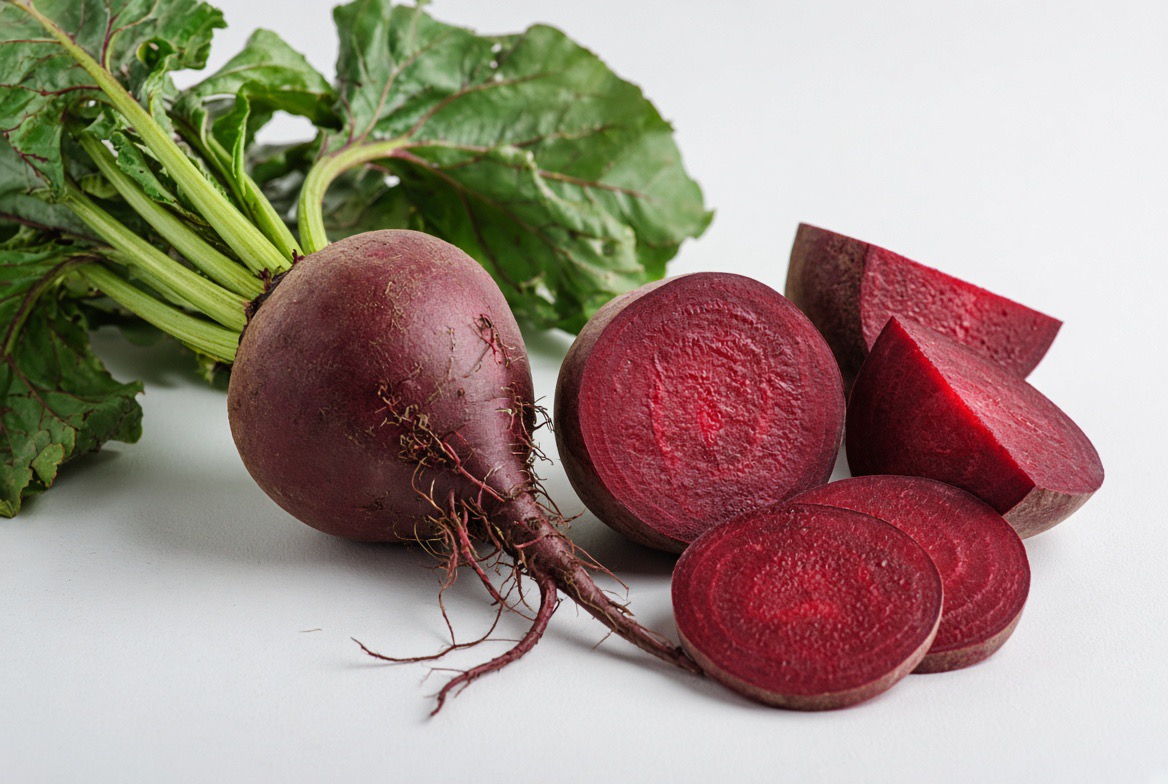
Imagine being told that drinking one glass of beet juice every morning could eliminate three major health problems in just three days.
No cholesterol problems.
No arthritis.
No fatigue.
Just a bright red drink made from an ordinary vegetable.
It’s the kind of promise that attracts attention across social media, especially among adults over 50 looking for simple, natural ways to improve their health.
Some viral posts suggest:
“Drink beet juice for three days and say goodbye to cholesterol!”
“Remove arthritis pain naturally.”
“Eliminate fatigue and restore youthful energy.”
“Clean your arteries without medication.”
“One glass every morning transforms your health.”
But how much of this is supported by scientific research?
Beetroot contains valuable nutrients and naturally occurring compounds, including dietary nitrates and colorful pigments called betalains.
Researchers have investigated beetroot juice for possible effects on blood pressure, exercise performance, and certain cardiovascular measurements.
However, there is no convincing clinical evidence that beet juice eliminates high cholesterol, cures arthritis, or permanently removes fatigue within three days.
The research is more nuanced—and considerably more useful—than the viral headlines suggest.
Important Medical Disclaimer
This article provides general educational information and does not replace medical advice.
Beet juice is not a proven treatment for high cholesterol, arthritis, chronic fatigue, or cardiovascular disease.
Do not stop prescribed cholesterol medication, arthritis treatment, blood-pressure medicine, or other therapies because of a homemade drink.
People with chronic kidney disease, recurrent calcium oxalate kidney stones, diabetes, low blood pressure, or special dietary restrictions may need additional precautions.
Persistent fatigue, joint swelling, chest discomfort, or other unexplained symptoms deserve appropriate medical evaluation.
1. What Makes Beetroot Interesting?
Beetroot, commonly called beets, is a colorful root vegetable.
Its deep red-purple appearance comes from naturally occurring pigments known as betalains.
Beets also provide:
- Folate
- Potassium
- Dietary fiber when eaten whole
- Manganese
- Carbohydrates
- Dietary nitrates
- Various plant compounds
These nutrients contribute to a balanced diet.
But it’s important to distinguish eating whole beets from drinking concentrated beetroot juice.
Juicing generally removes much of the vegetable’s fiber and makes it easier to consume a larger quantity at once.
2. A Simple Homemade Beet Juice Recipe
If you enjoy beetroot, you can prepare a refreshing beverage without adding sugar.
Ingredients
- 1 small cooked beet, peeled and chopped
- ½ small cucumber
- Juice of ½ lemon
- 1 cup cold drinking water
- 2–3 fresh mint leaves, optional
- Ice cubes, optional
Preparation time: 5 minutes
Servings: 2 small glasses
Difficulty: Easy
Instructions
Step 1: Wash the cucumber, lemon, and mint thoroughly.
Step 2: Cut the cooked beet into small pieces.
Step 3: Chop the cucumber.
Step 4: Add the beet, cucumber, lemon juice, and water to a blender.
Step 5: Blend until smooth.
Step 6: Add fresh mint if desired.
Step 7: Pour into two glasses and serve chilled.
For more fiber, keep the pulp instead of straining it.
This is a food-based smoothie, not a standardized nitrate supplement or medical treatment.
Important: Its nitrate content is unknown and may differ considerably from the preparations used in clinical studies.
3. Does Beet Juice Eliminate Cholesterol?
No.
This is one of the clearest examples of viral exaggeration.
Cholesterol is a waxy substance involved in several essential body functions.
It helps the body produce:
Hormones.
Cell membranes.
And bile acids.
The goal of cholesterol management is not to reduce every cholesterol measurement to zero.
Instead, healthcare professionals focus on managing harmful cholesterol-related cardiovascular risks, particularly LDL cholesterol.
A 2021 systematic review and meta-analysis examined randomized clinical trials investigating beetroot consumption and blood lipid measurements.
The researchers found no statistically significant overall improvement in:
Total cholesterol.
LDL cholesterol.
HDL cholesterol.
Or triglycerides.
These findings do not support beetroot as an effective cholesterol-lowering supplement.
4. Why “Zero Cholesterol” Is a Misleading Goal
The human body needs cholesterol for normal biological functions.
The liver naturally produces cholesterol, even when the diet contains very little.
The issue is whether certain cholesterol-containing particles increase cardiovascular risk.
LDL cholesterol is particularly important because elevated levels can contribute to atherosclerotic cardiovascular disease.
Treatment goals depend on an individual’s medical history and overall cardiovascular risk.
A person with established heart disease may have different LDL targets from someone with low cardiovascular risk.
Beet juice does not eliminate the body’s need for cholesterol, nor has it been shown to normalize elevated LDL in three days.
5. What Actually Helps Lower LDL Cholesterol?
Strategies with stronger evidence include:
Reducing saturated fat when appropriate.
Replacing saturated fats with unsaturated fats.
Increasing soluble fiber.
Eating an overall heart-healthy diet.
Being physically active.
Managing body weight when relevant.
Avoiding smoking.
And using prescribed cholesterol-lowering medication when indicated.
Useful sources of soluble fiber include oats, barley, beans, and certain fruits.
Some people require statins or other lipid-lowering medications to reduce cardiovascular risk.
Beet juice cannot replace these therapies.
6. Can Beet Juice Cure Arthritis?
No.
Arthritis is not one single disease.
It refers to conditions affecting joints and surrounding tissues.
Two important examples are:
Osteoarthritis: A condition involving changes in cartilage, bone, and other joint structures.
Rheumatoid arthritis: An inflammatory autoimmune disease that can damage joints and other tissues.
These conditions have different causes and require different treatments.
There is no convincing clinical evidence that drinking beet juice cures either condition within three days.
7. What About Beetroot’s Anti-Inflammatory Compounds?
Beetroot contains betalains and other plant compounds.
Some have demonstrated antioxidant or anti-inflammatory activity in laboratory research.
This has encouraged scientists to investigate their potential effects on human health.
However, the presence of an anti-inflammatory compound doesn’t automatically establish that drinking beet juice treats arthritis.
Several questions remain:
Can the compound reach affected joint tissues?
Is the concentration high enough to matter?
Does it improve pain or mobility?
Can it prevent structural joint damage?
Are benefits reproducible in controlled human trials?
Without convincing clinical evidence, beetroot should not be presented as an arthritis treatment.
8. Can Beet Juice Rebuild Damaged Cartilage?
No evidence demonstrates that beet juice regenerates worn knee cartilage.
Cartilage is a specialized tissue that helps cushion joints.
Osteoarthritis can involve changes in cartilage, underlying bone, and other joint structures.
A vegetable drink cannot simply rebuild these tissues in a few days.
Effective management may involve:
Appropriate exercise.
Physical therapy.
Weight management when relevant.
Pain-relief strategies.
Medical treatment.
And sometimes surgery.
The right treatment depends on the cause and severity of symptoms.
9. Can Beet Juice Replace Rheumatoid Arthritis Medication?
No.
Rheumatoid arthritis involves immune-system activity that can damage joints.
Treatment often requires disease-modifying antirheumatic drugs, commonly called DMARDs.
These medications aim to control disease activity and reduce the risk of permanent joint damage.
Delaying treatment because of an unproven beverage may allow the disease to progress.
Beet juice can be consumed as food when appropriate, but it is not an alternative to rheumatoid arthritis treatment.
10. Does Beet Juice Eliminate Fatigue?
Not reliably.
This claim is more complicated because beetroot juice has been studied for exercise performance.
Beets contain nitrate.
After consumption, some nitrate can be converted into nitrite and then nitric oxide.
Nitric oxide helps regulate blood-vessel function.
Researchers have investigated whether nitrate-rich beetroot products can reduce the oxygen cost of exercise and improve endurance.
Some studies have observed modest improvements in particular exercise-performance measurements.
However, improved exercise efficiency is not the same as curing chronic fatigue.
11. What Exercise Research Actually Shows
The NIH Office of Dietary Supplements explains that beetroot juice may improve aerobic exercise performance in some settings.
Potential benefits have been observed in activities such as:
Cycling.
Running.
Swimming.
And rowing.
However, not every study has found an improvement.
Benefits may be more noticeable in recreationally active individuals than in elite athletes.
Study results also depend on:
Nitrate dose.
Timing.
Training status.
Exercise intensity.
And individual response.
A 2025 umbrella review found generally small or negligible average improvements across several performance outcomes.
These findings do not establish beet juice as a treatment for everyday exhaustion.
12. What About Fatigue in Older Adults?
This deserves special attention.
A randomized trial involving 18 older women examined whether nitrate-rich beetroot juice reduced muscle fatigue or improved recovery during an exercise test.
The beetroot juice substantially increased blood nitrate and nitrite concentrations.
However, the researchers found no significant improvement in muscle fatigue or recovery.
This illustrates an important point.
A drink can change a biological marker without producing the practical health improvement that people expect.
And even when exercise studies show modest benefits, those results cannot be generalized to everyone experiencing fatigue.
13. What Causes Persistent Fatigue?
Fatigue can have many causes.
These include:
Inadequate sleep.
Anemia.
Thyroid disorders.
Diabetes.
Medication effects.
Sleep apnea.
Infections.
Depression.
Heart or lung disease.
Nutritional deficiencies.
And other medical conditions.
A person who feels unusually tired every day should not assume the solution is beet juice.
Persistent, worsening, or unexplained fatigue warrants medical assessment.
14. The Most Promising Area of Beetroot Research: Blood Pressure
Although the viral cholesterol and arthritis claims are unsupported, beetroot juice has shown more consistent research interest for blood-pressure effects.
This relates mainly to its nitrate content.
Dietary nitrate can contribute to nitric oxide formation, which plays a role in blood-vessel relaxation.
A 2024 systematic review and meta-analysis examined 11 randomized trials involving 349 people with hypertension.
Researchers reported an average reduction of approximately 5.3 mmHg in clinic-measured systolic blood pressure compared with controls.
However, the certainty of evidence was low, and there was no significant overall effect on diastolic or 24-hour blood-pressure measurements.
This suggests possible modest benefits—not a cure for hypertension.
15. Can Beet Juice Clean Blocked Arteries?
No.
The fact that nitrate may influence blood-vessel function does not mean beet juice dissolves arterial plaque.
Atherosclerosis involves the buildup of cholesterol-rich material and inflammatory changes within arterial walls.
Treatment may require:
Cholesterol-lowering medication.
Blood-pressure control.
Diabetes management.
Lifestyle changes.
And other cardiovascular therapies.
There is no convincing evidence that beet juice clears blocked arteries in three days.
16. What Beet Juice Can and Cannot Do
| Viral claim | Scientific assessment |
| Provides dietary nitrates | Yes |
| Contains betalain pigments | Yes |
| Can contribute vitamins and minerals | Yes |
| May modestly improve certain exercise measures | Some evidence |
| May modestly reduce systolic blood pressure | Some evidence, low certainty |
| Eliminates LDL cholesterol in three days | No |
| Cures osteoarthritis | No |
| Reverses rheumatoid arthritis | No |
| Rebuilds damaged cartilage | No |
| Cures chronic fatigue | No |
| Removes arterial plaque | No |
| Replaces prescribed medication | No |
| Can be part of a nutritious diet | Yes |
17. Is Beet Juice Better Than Whole Beets?
Both can fit into a balanced diet.
But they are not nutritionally identical.
Whole beets contain natural dietary fiber.
Juicing removes much of that fiber.
Blending whole cooked beets with water retains more fiber, making it a useful alternative to extracted juice.
Whole beets may also be more filling.
If your goal is general healthy eating rather than a specific sports-performance intervention, eating cooked or roasted beets is a perfectly reasonable choice.
You do not need to drink concentrated beet juice every morning.
18. What About the Natural Sugar in Beet Juice?
Beetroot contains naturally occurring carbohydrates.
When several beets are juiced into one large glass, the resulting beverage may contain a meaningful amount of sugar with less fiber than the original vegetables.
This doesn’t make beet juice automatically unhealthy.
But portion size matters.
For someone with diabetes, beet juice should be included in carbohydrate planning.
Avoid adding:
Honey.
Table sugar.
Sweetened syrups.
Or large amounts of other fruit juice.
The drink doesn’t need to become a sugary dessert.
19. Is Beet Juice Safe for Kidney Disease?
Not always in unlimited amounts.
Beets contain potassium.
Some people with advanced chronic kidney disease have difficulty regulating potassium levels.
Concentrated juices can make it easier to consume larger amounts of potassium than expected.
However, not everyone with kidney disease needs potassium restriction.
The appropriate amount depends on:
Blood potassium.
Kidney function.
Medications.
Dialysis status.
And the total diet.
If you have CKD, consult your kidney-care team before adopting a daily concentrated beet-juice routine.
20. Beetroot and Kidney Stones
Beets contain naturally occurring oxalates.
For some people prone to calcium oxalate kidney stones, high oxalate intake may be relevant.
This doesn’t mean everyone must avoid beets.
Stone prevention depends on individual circumstances, including urine chemistry, fluid intake, sodium intake, and adequate dietary calcium.
But people with recurrent calcium oxalate stones should discuss frequent concentrated beet juice consumption with their healthcare professional.
21. Why Beet Juice May Turn Urine Red
After eating beets or drinking beet juice, some people notice pink or reddish urine.
This phenomenon is called beeturia.
It occurs because beet pigments can appear in urine.
It is usually harmless.
Beets can also temporarily change stool color.
However, red urine may also indicate blood.
If the color change is unexplained, persistent, or accompanied by pain or other symptoms, seek medical evaluation.
Do not automatically assume every episode of red urine is caused by beets.
22. Beet Juice and Blood Pressure Medication
Because nitrate-rich beetroot juice may modestly reduce blood pressure in some people, those using blood-pressure medications should be cautious with large or concentrated amounts.
This is particularly important if they already experience:
Low blood pressure.
Dizziness.
Fainting.
Or medication-related blood-pressure changes.
Ordinary dietary amounts are different from concentrated preparations used in research.
Do not stop medication or attempt to adjust doses independently.
23. Can Beet Juice Be Enjoyed Every Day?
For many healthy adults, moderate dietary amounts of beetroot can fit into a balanced eating pattern.
However, there is no medically established reason for everyone to drink beet juice daily.
Large or concentrated servings may be inappropriate for some individuals.
Rather than making one drink the center of your health routine, aim for dietary variety.
Include different vegetables and fruits.
Eat adequate protein.
Choose fiber-rich foods.
And follow any medical nutrition recommendations.
24. Three Simple Ways to Enjoy Beets
1. Refreshing Beet and Cucumber Smoothie
Ingredients
- ½ small cooked beet
- ¼ cucumber
- Juice of ¼ lemon
- ¾ cup cold water
Blend until smooth and serve.
2. Roasted Beet and Garlic Salad
Ingredients
- 1 small cooked beet, diced
- 1 teaspoon olive oil
- 1 small garlic clove, minced
- 1 tablespoon chopped parsley
- Black pepper, to taste
Combine and serve chilled or at room temperature.
3. Beet and Berry Smoothie
Ingredients
- ½ small cooked beet
- ¼ cup blueberries
- ½ cup plain unsweetened yogurt
- Water as needed
Blend until creamy.
Each recipe offers flavor and nutrients, but none should be promoted as a treatment for arthritis, high cholesterol, or chronic fatigue.
25. What Actually Helps Manage Cholesterol?
If your goal is reducing cardiovascular risk, stronger evidence supports:
Eating more soluble fiber.
Reducing excessive saturated fat.
Choosing unsaturated fats.
Staying physically active.
Avoiding smoking.
Managing diabetes and blood pressure.
And taking prescribed cholesterol-lowering medication when needed.
A healthcare professional can recommend appropriate LDL targets based on your individual risk.
The objective is not “zero cholesterol.”
It’s healthier lipid management and lower cardiovascular risk.
26. What Actually Helps With Arthritis?
For osteoarthritis, management may include:
Appropriate strengthening exercises.
Low-impact physical activity.
Weight management when relevant.
Physical therapy.
Pain-relief treatments.
And other medical interventions.
For rheumatoid arthritis, early diagnosis and disease-modifying treatment are especially important.
A nutritious eating pattern can support overall health, but it does not replace treatment aimed at preventing joint damage.
27. What Actually Helps With Fatigue?
The first step is identifying the cause.
Useful strategies may include:
Adequate sleep.
Balanced meals.
Appropriate hydration.
Physical activity suited to your health.
Medication review.
And medical testing when indicated.
Fatigue caused by anemia, thyroid disease, sleep apnea, or another condition requires management of that underlying problem.
Beet juice isn’t a universal energy treatment.
28. A Realistic Seven-Day Healthy Habit Plan
Instead of expecting three major conditions to disappear in three days, try focusing on sustainable habits.
Day 1: Replace a sugary drink with water or an unsweetened beverage.
Day 2: Add a serving of vegetables to lunch or dinner.
Day 3: Review the saturated fat and sodium content of foods you commonly eat.
Day 4: Include physical activity appropriate for your health.
Day 5: Choose a meal containing fiber-rich foods such as beans, oats, or vegetables.
Day 6: Review your sleep habits and any persistent fatigue symptoms.
Day 7: Check whether you’re following your prescribed cholesterol, arthritis, or blood-pressure treatment plan.
This routine doesn’t promise overnight transformation.
It encourages habits that may improve health over time.
29. Ten Common Beet Juice Myths
Myth 1: Beet juice eliminates cholesterol in three days.
Human randomized-trial evidence does not support this claim.
Myth 2: Beet juice cures arthritis.
No convincing clinical evidence demonstrates this.
Myth 3: Beet juice regenerates cartilage.
It has not been shown to rebuild damaged joint cartilage.
Myth 4: Everyone who drinks beet juice gains more energy.
Exercise responses vary, and clinical trials have not established a cure for fatigue.
Myth 5: Beet juice removes arterial plaque.
No evidence supports this.
Myth 6: More beet juice always produces better results.
Larger amounts may increase dietary potassium, carbohydrates, or oxalates.
Myth 7: Beet juice replaces blood-pressure medication.
It does not.
Myth 8: A red or pink urine color always means a health problem.
Beeturia may occur after beet consumption, although unexplained red urine requires evaluation.
Myth 9: Antioxidant compounds automatically reverse disease.
Laboratory antioxidant activity does not prove clinical effectiveness.
Myth 10: Three days is enough to reverse chronic health conditions.
No evidence supports the viral three-day promise.
Frequently Asked Questions
Can beet juice lower cholesterol?
A systematic review of randomized trials did not find a statistically significant overall effect of beetroot consumption on cholesterol or triglyceride measurements.
Can beet juice cure arthritis?
No. There is no convincing clinical evidence that beet juice cures osteoarthritis or rheumatoid arthritis.
Can beet juice reduce joint inflammation?
Beetroot compounds have demonstrated experimental biological activity, but meaningful arthritis symptom improvements from beet juice have not been established.
Does beet juice rebuild cartilage?
No clinical evidence supports this claim.
Can beet juice eliminate fatigue?
No. Some studies suggest modest effects on exercise performance, but beet juice is not a proven treatment for chronic fatigue.
Can beet juice improve athletic performance?
Possibly. Research suggests modest improvements in certain aerobic exercise outcomes, especially among recreationally active people. Results are inconsistent.
Can beet juice lower blood pressure?
Some studies report modest reductions in systolic blood pressure, but the evidence is not strong enough to replace prescribed treatment.
Is beet juice safe for someone with diabetes?
It can sometimes fit into a diabetes meal plan, but carbohydrate content and serving size matter.
Can kidney patients drink beet juice?
Some can, but individual potassium, oxalate, and fluid requirements must be considered.
Is beet juice safe for people prone to kidney stones?
Beets contain oxalates, so people with recurrent calcium oxalate stones should seek individualized dietary guidance.
Is beet juice better in the morning?
There is no established special benefit to drinking it in the morning for cholesterol, arthritis, or everyday fatigue.
Should I add lemon or ginger?
You may add them for flavor if you tolerate them. They do not transform beet juice into a cure.
Can I drink beet juice instead of taking statins?
No. Do not replace prescribed cholesterol medication with beet juice.
Why is my urine pink after drinking beet juice?
Beet pigments can temporarily cause beeturia. However, persistent or unexplained discoloration requires medical assessment.
Final Thoughts: What the Science Actually Says
Beetroot is a nutritious vegetable with interesting scientific research behind it.
Its dietary nitrates may influence nitric oxide production and blood-vessel function.
Some studies suggest modest blood-pressure or exercise-performance effects.
But those observations do not justify promises of miraculous results.
Beet juice has not been shown to eliminate high cholesterol in three days.
It cannot cure arthritis or restore damaged cartilage.
And it does not reliably eliminate fatigue.
The strongest approach to long-term health remains much less dramatic:
Manage cholesterol according to cardiovascular risk.
Seek appropriate treatment for arthritis.
Investigate persistent fatigue.
Eat a balanced diet.
Stay physically active when appropriate.
Follow prescribed medication.
And enjoy vegetables—including beets—as part of ordinary nutritious meals.
Beet juice can be a refreshing beverage. It is not a three-day cure for three chronic health problems.
Health reminder: Do not discontinue cholesterol, blood-pressure, or arthritis medications because of a viral juice recipe. Consult a healthcare professional if you have persistent symptoms or relevant dietary restrictions.