
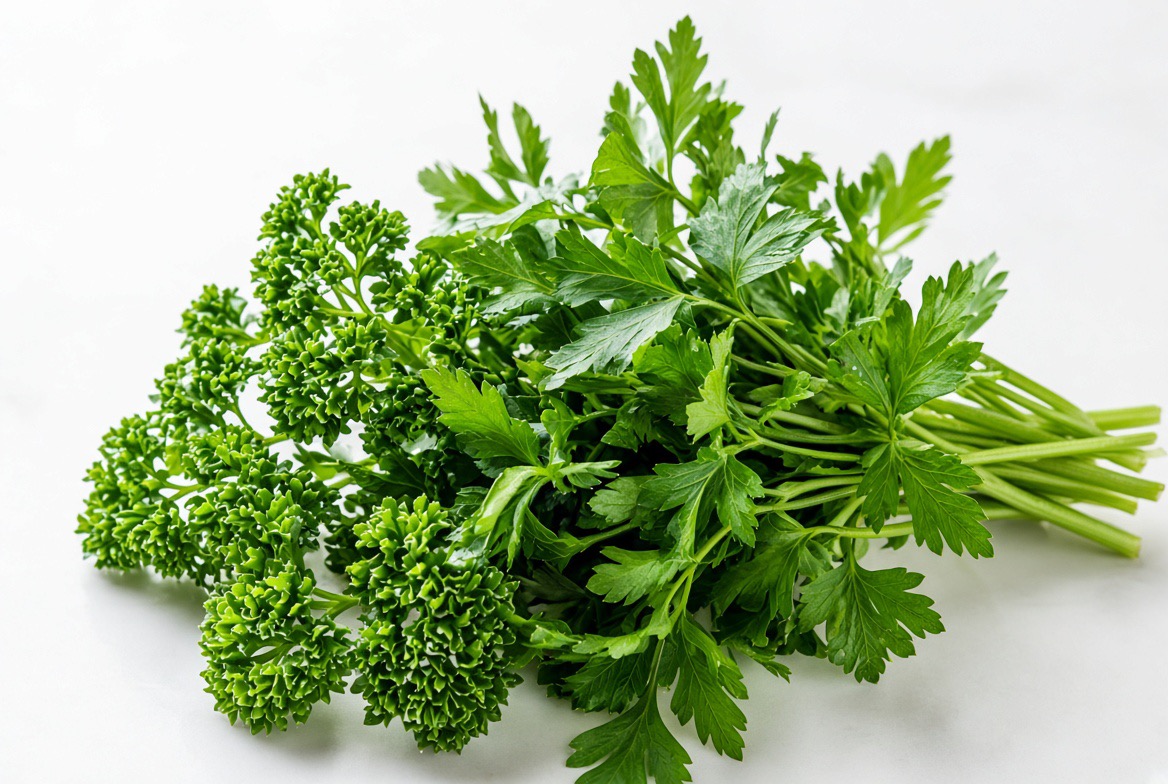
Looking for a refreshing homemade drink that combines the bright taste of fresh herbs with a hint of spice and citrus?
This Parsley, Ginger & Lime Green Drink brings together three simple ingredients to create a naturally refreshing beverage.
Fresh parsley adds an earthy green flavor, ginger provides a warming kick, and lime gives the drink a bright citrus finish.
It’s easy to prepare, requires no added sugar, and can be enjoyed as part of a balanced eating routine.
But there’s an important distinction: a refreshing green drink is not automatically a detox treatment.
Although parsley, ginger, and lime contain naturally occurring plant compounds, there’s no convincing clinical evidence that this combination cleanses the kidneys, reverses liver disease, burns belly fat, or removes toxins from the bloodstream.
Let’s explore the recipe, its realistic nutritional benefits, and the precautions worth knowing.
Quick Recipe Overview
Preparation time: 5 minutes
Total time: 5 minutes
Servings: 2 small glasses
Difficulty: Very easy
Best served: Fresh and chilled
Ingredients
- ¼ cup loosely packed fresh parsley leaves
- ½ inch fresh ginger root, peeled
- Juice of 1 fresh lime
- 2 cups cold drinking water
- 4–6 ice cubes, optional
- 3 cucumber slices, optional
No added sugar or honey is necessary.
How to Make Parsley, Ginger & Lime Green Drink
Step 1: Wash the Ingredients
Rinse the parsley thoroughly under cool running water.
Wash the ginger and lime before cutting them.
Remove damaged or wilted parsley leaves.
Clean preparation is particularly important when fresh herbs will be consumed without cooking.
Step 2: Prepare the Ginger
Peel a small piece of fresh ginger and slice it thinly.
Start with approximately ½ inch.
Ginger has a strong flavor, so a little goes a long way.
Step 3: Squeeze the Lime
Cut the lime in half and squeeze out the juice.
Remove any seeds.
For a milder drink, begin with half the lime juice and adjust to taste.
Step 4: Blend Everything
Add the parsley, ginger, lime juice, and cold water to a blender.
Blend for 30–45 seconds, until the parsley is finely chopped.
Add cucumber slices if desired.
Step 5: Serve
Pour into two small glasses.
For a smoother drink, strain through a fine-mesh sieve.
For more of the plant’s natural fiber, leave it unstrained.
Add ice and enjoy immediately.
Kitchen tip: If the green flavor is too strong, add extra water instead of extra sugar.
1. What Makes This Green Drink Refreshing?
The biggest benefit of this recipe comes from its water content.
Proper hydration supports normal body temperature, circulation, digestion, and other essential functions.
The parsley, ginger, and lime make the water more interesting to drink.
This can be especially helpful for people who find plain water boring.
However, drinking this mixture doesn’t provide a special hydration advantage over drinking an appropriate amount of ordinary water.
The flavor is the attraction—not a miraculous health effect.
2. Parsley: More Than a Garnish
Parsley is commonly used in soups, salads, sauces, and fresh vegetable dishes.
It provides naturally occurring nutrients, including vitamin K and small amounts of other vitamins and minerals.
But the amount in this recipe is modest.
Because parsley is used in relatively small quantities, it shouldn’t be treated as a major source of every nutrient the body needs.
The National Kidney Foundation recognizes culinary herbs such as parsley as useful ways to flavor food without adding salt.
That is a practical advantage, especially for people looking to reduce excess dietary sodium.
3. Ginger: A Warming Ingredient With a Strong Flavor
Ginger has a long culinary history.
It is widely used in tea, soups, stir-fries, marinades, and desserts.
Fresh ginger contains compounds such as gingerols, which have attracted scientific interest.
Some clinical research has investigated ginger for nausea and other symptoms.
However, findings from studies of ginger supplements should not automatically be applied to a small amount of ginger blended into a beverage.
This recipe is best understood as a flavorful drink—not a medical treatment.
4. Lime: Fresh Citrus Flavor
Lime brings acidity, aroma, and a small contribution of vitamin C.
Vitamin C is important for normal immune function, collagen formation, and antioxidant activity.
But a squeeze of lime doesn’t provide unlimited vitamin C.
It also doesn’t transform the drink into a cure for infections, diabetes, or chronic disease.
The main reason to add lime is simple:
It tastes refreshing.
5. Why You Don’t Need Added Sugar
Many commercial beverages contain substantial amounts of added sugar.
This recipe uses water, herbs, ginger, and citrus.
That means the drink can be naturally low in calories and added sugar.
If you’re trying to reduce soda, sweetened fruit punches, or syrup-based drinks, a flavorful homemade beverage can be an enjoyable alternative.
For a sweeter taste, try a few slices of cucumber or a small amount of whole fruit rather than several tablespoons of sweetener.
6. Can Parsley, Ginger, and Lime Clean the Kidneys?
This is one of the most frequently repeated claims about parsley-based drinks.
Parsley is sometimes promoted as a natural diuretic.
However, there is insufficient high-quality human clinical evidence showing that a parsley-ginger-lime drink cleanses the kidneys or improves chronic kidney disease.
The kidneys already remove waste products from the blood.
Adequate hydration supports normal kidney function, but forcing excess urine production isn’t the same as improving kidney health.
A drink cannot repair damaged kidney filters or reliably reduce an elevated creatinine level.
If you have chronic kidney disease, don’t use concentrated parsley drinks as a substitute for medical care.
7. Important Kidney Disease Precautions
Culinary parsley used in ordinary food portions is different from concentrated parsley extracts, parsley-root supplements, or very large medicinal quantities.
People with kidney disease need to be particularly careful with herbal supplements.
The American Kidney Fund warns that herbal products can interact with medications or worsen kidney problems and specifically lists parsley root among supplements people with CKD should avoid.
If you have advanced CKD, elevated potassium, or a fluid restriction, check with your kidney care team before drinking large quantities of herbal beverages.
And remember that the water in this recipe counts toward any prescribed daily fluid allowance.
8. Can This Green Drink Support Digestion?
Some people find ginger-containing drinks pleasant after meals.
Ginger has been studied for certain types of nausea, although evidence varies by condition and preparation.
A modest amount may be well tolerated by many people.
But ginger isn’t suitable for everyone.
Possible side effects include heartburn, abdominal discomfort, or diarrhea, particularly at higher doses.
If citrus triggers acid reflux, you may prefer a smaller amount of lime or a noncitrus version.
9. Does This Drink Burn Belly Fat?
No.
There is no credible evidence that parsley, ginger, and lime combined in water selectively burn belly fat.
Body-fat changes depend on longer-term factors such as overall calorie intake, physical activity, health conditions, and individual physiology.
Replacing high-calorie beverages with unsweetened water-based drinks may reduce daily calorie intake.
But the green drink itself doesn’t directly melt body fat.
10. Does It Detoxify the Liver?
Your liver is responsible for processing many substances and performing important metabolic functions.
It doesn’t require a special parsley drink to carry out those normal processes.
There is no established evidence that this recipe reverses fatty liver disease, hepatitis, cirrhosis, or medication-related liver injury.
If you’re concerned about liver health, proper diagnosis, lifestyle changes, and medical follow-up are more useful than relying on a juice cleanse.
11. What Can This Drink Actually Do?
| Popular claim | What is realistic |
| Provides hydration | Yes |
| Adds fresh herbal flavor | Yes |
| Contains small amounts of plant nutrients | Yes |
| Can replace a sugary beverage | Yes |
| Contains ginger compounds | Yes |
| Cures kidney disease | No |
| Removes kidney stones | Not established |
| Reverses fatty liver disease | No |
| Burns belly fat | No |
| Flushes toxins overnight | Not established |
| Lowers creatinine reliably | No |
| Replaces medication | No |
12. Should You Drink It on an Empty Stomach?
You can drink it with or without food if you tolerate it.
There is no proven special benefit from taking it before breakfast.
Some people find acidic or spicy drinks uncomfortable on an empty stomach.
If that’s your experience, enjoy it with a meal or later in the day.
Consistency with healthy habits matters more than the exact hour you drink it.
13. How Often Can You Drink It?
For generally healthy adults, an occasional small serving made with ordinary culinary amounts of parsley and ginger can be a reasonable food choice.
However, there’s no medical reason to drink it multiple times per day.
Rotate your beverages.
Enjoy plain water, unsweetened beverages, and other appropriate choices.
If you’re taking medication, pregnant, breastfeeding, or managing chronic illness, discuss regular consumption of concentrated herbal drinks with your healthcare professional.
14. Three Delicious Variations
Parsley, Cucumber & Lime Cooler
Ingredients
- 2 tablespoons fresh parsley
- ¼ cucumber
- Juice of ½ lime
- 1 cup cold water
Blend until smooth.
This version has a mild, refreshing cucumber flavor.
Ginger & Lime Sparkling Water
Ingredients
- ¼ inch fresh ginger, thinly sliced
- Juice of ½ lime
- 1 cup unsweetened sparkling water
- Ice cubes
Muddle the ginger gently, add lime and ice, and top with sparkling water.
This is a simple alternative for people who dislike blended parsley.
Parsley, Mint & Ginger Green Drink
Ingredients
- 2 tablespoons parsley
- 3 mint leaves
- ¼ inch ginger
- 1 cup cold water
Blend and serve immediately.
The mint helps balance the stronger herbal flavor.
15. Important Medication Precautions
Food and herbs can sometimes affect medication use.
Extra caution is appropriate if you take:
Warfarin: Parsley contains vitamin K, and large changes in vitamin K intake can interfere with stable anticoagulation.
Blood-thinning or antiplatelet medications: High-dose ginger supplements may increase bleeding concerns in some situations.
Blood-glucose medication: Concentrated supplements may require additional caution, particularly if they affect glucose levels.
Kidney-related medications: Herbal concentrates may affect mineral balance or interact with treatment.
Normal culinary use is not necessarily the same risk as taking concentrated supplements.
If you use warfarin, the aim is generally consistent vitamin K intake—not eliminating every green vegetable.
16. Pregnancy and Breastfeeding
Ordinary food amounts of parsley and ginger are different from concentrated medicinal preparations.
Avoid using high-dose parsley extracts or strong homemade herbal concentrates as a pregnancy remedy.
If you’re pregnant or breastfeeding, ask your healthcare professional before routinely consuming medicinal-strength herbal drinks.
17. Fresh Produce Safety
Fresh herbs can carry harmful microorganisms if handled improperly.
Wash produce thoroughly under running water.
Use clean utensils and a clean blender.
Do not wash vegetables with soap or household detergent.
The FDA recommends washing fresh fruits and vegetables before preparation and refrigerating perishable produce promptly.
If you prepare more than you can drink immediately, refrigerate it in a clean, covered container and use it as soon as practical.
Discard the drink if it develops an unusual smell or appearance.
18. Ten Common Mistakes to Avoid
1. Using entire bunches of parsley every day. Larger medicinal quantities aren’t necessarily safer or more effective.
2. Adding huge amounts of ginger. This can cause digestive discomfort.
3. Calling the drink a kidney cleanse. The claim isn’t supported by good clinical evidence.
4. Adding too much lime. Excess acidity can aggravate reflux and contribute to dental enamel erosion with frequent exposure.
5. Adding several tablespoons of honey. This increases sugar and calories.
6. Drinking it instead of eating breakfast. It doesn’t provide enough protein, energy, or other nutrients to replace a balanced meal.
7. Ignoring medication interactions. Concentrated herbal products deserve additional caution.
8. Using parsley root supplements without advice. These can be unsuitable for people with CKD.
9. Replacing prescribed treatment. A beverage isn’t a medical therapy.
10. Expecting overnight results. Healthy habits work over time, not through miracle detox claims.
19. A Simple Seven-Day Hydration Challenge
If you’d like to improve your hydration habits, try this practical approach.
Day 1: Drink plain water with breakfast.
Day 2: Try a small glass of parsley, ginger, and lime water.
Day 3: Flavor water with cucumber slices.
Day 4: Replace a sweetened afternoon drink with unsweetened water.
Day 5: Try ginger and lime sparkling water.
Day 6: Add fresh herbs to meals instead of extra salt.
Day 7: Choose your favorite unsweetened beverage and make it part of your regular routine.
The point is not to consume as many herbal drinks as possible.
It’s to make healthy hydration easier and more enjoyable.
Anyone with a prescribed fluid restriction should adapt this routine to their medical plan.
Frequently Asked Questions
What are the benefits of parsley, ginger, and lime juice?
The drink provides fluid, flavor, and small amounts of nutrients. Ginger has been researched for certain health effects, but the combination isn’t a proven treatment for disease.
Is it good for kidney health?
Appropriate hydration helps support normal kidney function. However, this drink does not cure kidney disease or cleanse damaged kidneys.
Can it lower creatinine?
There is no established evidence that it reliably reduces elevated creatinine or reverses impaired kidney function.
Can it remove kidney stones?
No. A kidney-stone prevention plan depends on stone type, fluid needs, diet, and sometimes medication.
Can I drink it every morning?
Some healthy adults may tolerate ordinary culinary amounts, but daily consumption isn’t necessary. People with medical conditions or medication concerns should seek individualized advice.
Should I strain the drink?
Leaving it unstrained retains more of the ingredients’ fiber, although this recipe contains only a modest amount.
Can I prepare it without a blender?
Yes. Thinly slice the ginger, lightly crush the parsley, and infuse both in water with lime for several minutes.
Is it safe for people with diabetes?
An unsweetened version contains relatively little sugar, but it doesn’t treat diabetes or replace medication.
Is it safe for people taking warfarin?
Parsley contains vitamin K, which makes consistent intake particularly important. Discuss significant dietary changes with your anticoagulation care team.
Can I drink it before bed?
You can, if you tolerate it and do not have a fluid restriction. There is no established special bedtime benefit.
Does it improve digestion?
Ginger has been studied for certain types of nausea, but this specific drink is not a proven treatment for digestive disease.
Is this a detox drink?
It is better described as a refreshing herbal beverage. It has not been proven to detoxify the liver or kidneys.
Final Thoughts
Parsley, ginger, and lime create a fresh, flavorful green drink that’s easy to make at home.
With just a few inexpensive ingredients, you can prepare a naturally unsweetened beverage that adds variety to your hydration routine.
The benefits are simple:
Refreshing hydration.
Bright citrus flavor.
Fresh herbs and ginger.
No need for added sugar.
But remember, this isn’t a miracle cure for kidney disease, liver problems, or weight gain.
Use herbs in reasonable culinary amounts, follow your medical dietary requirements, and focus on consistent healthy habits rather than aggressive cleansing routines.
Fresh ingredients. Simple preparation. A refreshing way to enjoy water.
Health reminder: Not a kidney detox or medical treatment. Concentrated parsley and ginger preparations may be inappropriate for some people, especially those with kidney disease or medication interactions.