Blurred vision can be frightening.
Words become harder to read. Headlights create more glare at night. Colors seem less vivid. Small print requires brighter light. And when someone promises that one food, drink, vitamin, or homemade remedy can “repair aging eyes and restore clear vision in just three days,” it’s easy to understand why people pay attention.
But there’s an important fact to know before trying any viral eye remedy:
No food, juice, spice, vitamin, or homemade mixture has been proven to reverse the major causes of age-related vision loss and restore clear eyesight within three days.
Nutrition absolutely matters for long-term eye health. Certain supplements even have strong evidence for specific people with age-related macular degeneration (AMD). But cataracts, AMD, glaucoma, diabetic eye disease, dry eye, and simple refractive errors are very different conditions—and they don’t share one three-day cure.
👁️ Why Vision Often Changes After 50
Your eyes aren’t cameras that simply become “dirty” with age.
Several structures can change.
The lens inside the eye can gradually become cloudy.
The retina can develop age-related disease.
Tear production and tear quality can change.
Your ability to focus at close distances declines.
Diabetes and high blood pressure can affect the small blood vessels supplying the eyes.
Some people develop glaucoma.
Others develop AMD.
That’s why the first step toward clearer vision is determining what is actually causing the blur.
A carrot smoothie won’t correct the wrong eyeglass prescription.
Eye drops won’t remove a cataract.
And a vitamin cannot substitute for treatment of wet AMD.
📊 Viral Promise vs. What Eye Research Shows
| Claim | What we actually know |
| Clear vision returns in 3 days | Not established |
| Aging eyes can be “repaired” with one drink | Not established |
| Cataracts can be dissolved naturally | No proven food or supplement does this |
| Good nutrition supports eye health | Yes |
| AREDS2 can help certain people with AMD | Yes |
| AREDS2 prevents all age-related eye disease | No |
| AREDS2 removes cataracts | No |
| Cataract surgery can restore vision impaired by cataracts | Yes |
| Sudden vision changes need prompt evaluation | Yes |
The National Eye Institute’s AREDS and AREDS2 trials are particularly useful because they involved thousands of participants rather than testimonials. The research found that specific supplements can slow progression of AMD in certain patients—but they did not prevent AMD from starting and did not treat cataracts.
🥕 What About Carrots and Vitamin A?
Carrots deserve their healthy reputation—but not their supernatural one.
They provide beta-carotene, which the body can convert into vitamin A.
Vitamin A is important for normal vision.
But if you already get enough vitamin A, eating huge quantities of carrots doesn’t give you superhuman eyesight or reverse common age-related eye diseases.
This illustrates an important nutritional principle:
Preventing a deficiency isn’t the same as reversing a disease.
You need vitamin A.
That doesn’t make megadoses an anti-aging eye treatment.
🥬 The Nutrients That Really Get Attention in Eye Research
Two carotenoids are particularly interesting:
Lutein
Zeaxanthin
They’re concentrated in the retina, including the macula.
Foods containing them include leafy green vegetables and other colorful produce.
But the strongest clinical story isn’t simply:
“Eat spinach and your eyesight returns.”
It’s much more specific.
The National Eye Institute’s AREDS2 formulation includes 10 mg lutein and 2 mg zeaxanthin, along with vitamin C, vitamin E, zinc, and copper. For people with certain stages of AMD, the formulation can reduce the risk of disease progression.
That’s meaningful.
But it happens over time.
Not three days.
🧪 What Exactly Is AREDS2?
This is where many internet articles become misleading.
AREDS2 isn’t a generic “eye vitamin.”
It’s a specific high-dose formulation developed from large clinical trials.
The formulation studied by NEI contains:
| Nutrient | AREDS2 Amount |
| Vitamin C | 500 mg |
| Vitamin E | 400 IU |
| Zinc | 80 mg |
| Copper | 2 mg |
| Lutein | 10 mg |
| Zeaxanthin | 2 mg |
And there’s another critical detail:
AREDS2 isn’t appropriate simply because you’re over 50.
NEI says the strongest established benefit is for people with intermediate AMD and certain people with late AMD—not people without AMD or those with early AMD.
So don’t self-prescribe high-dose eye supplements based solely on age.
🚬 A Particularly Important Warning for Smokers
The original AREDS formula contained beta-carotene.
AREDS2 replaced beta-carotene with lutein and zeaxanthin.
Why?
Because beta-carotene supplementation was associated with increased lung-cancer risk among current or former smokers in relevant studies. NEI specifically recommends that people who smoke or used to smoke avoid the older beta-carotene-containing AREDS formula and use AREDS2 when such supplementation is appropriate.
This is a perfect example of why:
“They’re just vitamins”
doesn’t always mean:
“They’re harmless for everyone.”
👓 Could Your Blurry Vision Simply Need New Glasses?
Absolutely.
Sometimes the solution is far less dramatic than a three-day eye remedy.
Vision changes can occur because your prescription has changed.
Early cataracts can also cause changes in focusing.
NEI notes that new eyeglasses or contact lenses can sometimes improve vision during earlier stages of cataracts.
That’s why an eye examination can accomplish something a kitchen remedy cannot:
Identify the actual cause.
🌫️ Cataracts: One of the Biggest Causes of Age-Related Blur
Imagine looking through a clean window.
Now imagine that window gradually becoming cloudy.
That’s roughly the problem created by a cataract.
A cataract is clouding of the normally clear lens inside your eye.
Symptoms can include:
Blurred or hazy vision.
Faded colors.
Difficulty seeing at night.
Glare.
Halos around lights.
Frequent prescription changes.
Difficulty reading.
And cataracts become increasingly common with age.
Can Food Dissolve a Cataract?
No proven food, drink, vitamin, herbal extract, or homemade eye drop removes an established cataract.
According to the National Eye Institute:
Surgery is the only way to get rid of a cataract.
Early cataracts don’t always need immediate surgery.
Brighter lighting, anti-glare sunglasses, magnification, and updated glasses may help initially.
But when cataracts interfere significantly with activities such as reading, driving, or watching television, an eye doctor may recommend surgery.
🚫 Don’t Put Homemade Remedies Into Your Eyes
This is one area where experimentation can become dangerous.
Don’t put homemade preparations containing things such as:
Lemon juice.
Honey.
Garlic.
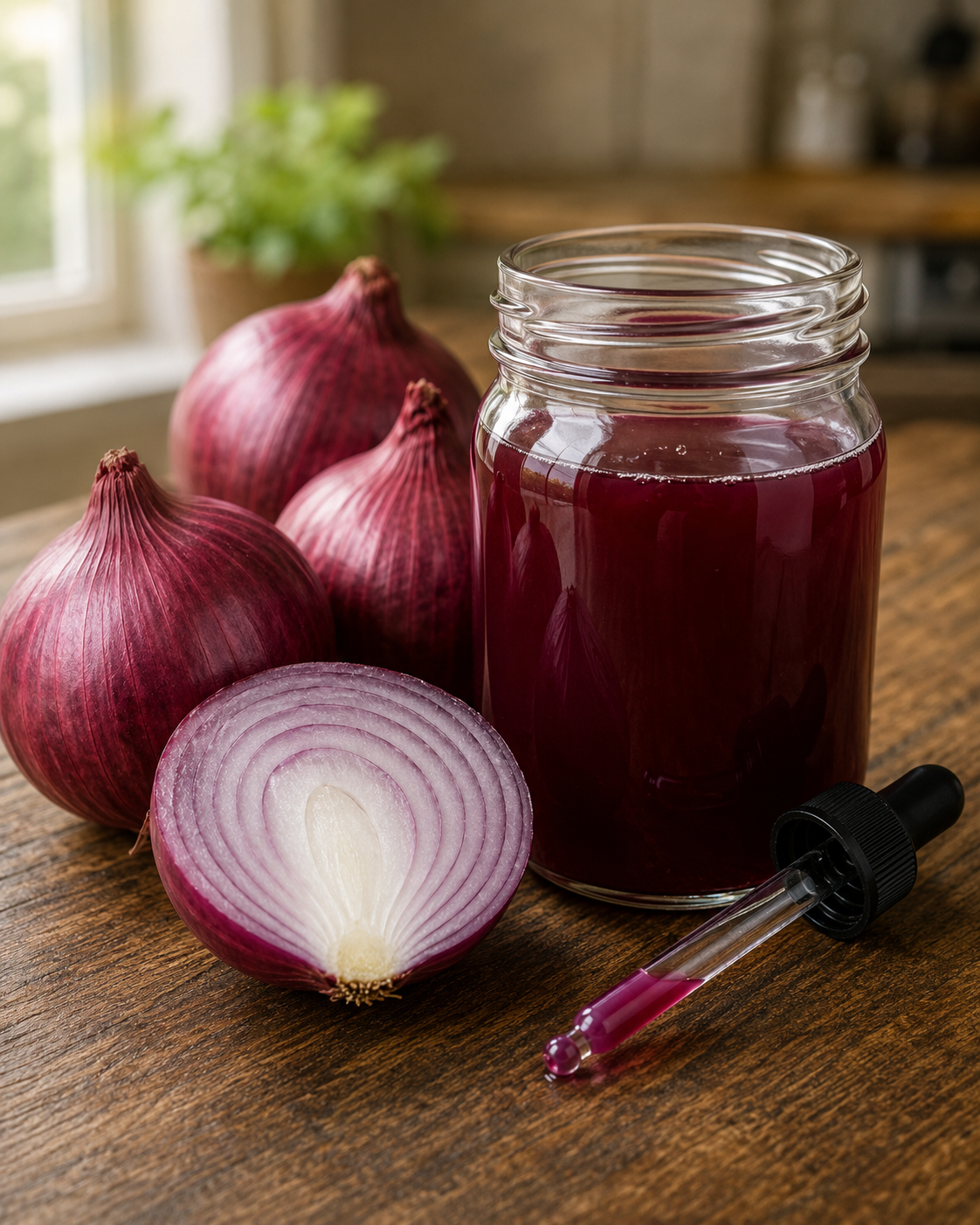
Onion juice.
Apple cider vinegar.
Herbal tea.
Essential oils.
Spices.
Plant extracts.
or homemade “vitamin drops”
directly into your eyes.
Your eyes are delicate tissues.
Something being edible doesn’t mean it’s sterile or safe for the eye.
Eat healthy foods. Don’t turn your kitchen into an eye-drop laboratory.
🍳 Mistake #1: Eating One “Eye Superfood” Every Day
Egg yolks.
Carrots.
Spinach.
Blueberries.
Fish.
Tomatoes.
All can fit into nutritious diets.
But the eye doesn’t operate on a single-food system.
A dietary pattern rich in vegetables, fruits, whole foods, appropriate protein and healthy fats makes more sense than consuming enormous amounts of one ingredient.
💊 Mistake #2: Taking Random High-Dose Eye Vitamins
Supplements aren’t automatically harmless.
AREDS2 contains unusually high amounts of certain nutrients and is designed for specific clinical situations.
NEI advises discussing AREDS2 with a doctor because its large vitamin and mineral doses can have side effects and interact with medications.
Don’t see “lutein” on TikTok and immediately begin combining five different eye supplements.
🐟 Mistake #3: Assuming Fish Oil Will Reverse Eye Aging
Omega-3 fats are nutritionally valuable and fatty fish can fit beautifully into a healthy diet.
But the AREDS2 trial didn’t find that adding omega-3 fatty acid supplements reduced progression of AMD or cataracts.
Again:
Healthy nutrient ≠ treatment for every disease.
🫐 A Simple Eye-Friendly Breakfast
Instead of a miracle drink, try building nutrient-dense meals.
Berry & Walnut Yogurt Bowl
Plain Greek yogurt
Blueberries or mixed berries
Walnuts
Oats
Small amount of chia or ground flaxseed
This provides protein, fiber and nutrient-rich plant foods.
It’s breakfast.
Not cataract medicine.
🥬 An Eye-Friendly Lunch
Leafy Green & Egg Bowl
Spinach or kale
Egg
Bell pepper
Tomato
Beans
Olive oil
Lemon
Leafy greens provide lutein and zeaxanthin.
Egg yolks also contain these carotenoids.
The dietary fat from olive oil helps with absorption of fat-soluble carotenoids.
Still:
Don’t expect your vision chart to transform three days later.
🐟 An Eye-Friendly Dinner
Try:
Salmon or another appropriate fish.
Broccoli.
Leafy greens.
Sweet potato.
Olive oil.
Beans or whole grains according to your nutritional needs.
Fruit for dessert.
This type of meal supports general cardiovascular and metabolic health too—which matters because your eyes depend on healthy blood vessels.
❤️ What’s Good for Your Heart Can Also Matter to Your Eyes
Your retina is metabolically active tissue with an important blood supply.
That makes broader health relevant.
Diabetes.
High blood pressure.
Smoking.
Cardiovascular disease.
These aren’t separate from eye health.
NEI recommends healthy eating, regular physical activity, and avoiding smoking as part of protecting vision in people at risk for AMD.
A three-day juice challenge misses the bigger picture.
🚭 Smoking and Eye Health
If someone wants to protect aging eyes, quitting smoking is considerably more meaningful than hunting for exotic berries.
Smoking is an important modifiable risk factor associated with AMD.
And remember the supplement issue:
Current and former smokers should avoid the older beta-carotene-containing AREDS formula because of the increased lung-cancer risk associated with beta-carotene supplementation in smokers.
🩸 Diabetes Can Damage Vision
High blood glucose over time can damage small blood vessels in the retina.
That can lead to diabetic retinopathy.
So for someone with diabetes, protecting eyesight includes something far less exciting than a viral remedy:
Managing diabetes properly and getting recommended dilated eye examinations.
Don’t wait until vision becomes dramatically blurry before thinking about your eyes.
🕶️ Protect Your Eyes From UV Exposure
Sunglasses aren’t only fashion.
Choose sunglasses that provide strong UV protection.
A wide-brimmed hat can provide additional protection outdoors.
This won’t make existing cataracts disappear.
But protecting your eyes from excessive ultraviolet exposure is a sensible long-term habit.
📱 What About Phone Screens?
Screens don’t “age your retina 20 years overnight.”
But prolonged screen use can contribute to:
Dryness.
Eye strain.
Headaches.
Temporary blur.
Reduced blinking.
If your vision becomes blurry after hours at the computer but improves after resting and blinking, dry-eye or focusing strain may be contributing.
Take regular visual breaks.
Blink.
Adjust screen distance.
And address persistent symptoms with an eye-care professional.
💧 Dry Eye Can Make Vision Look Surprisingly Blurry
Sometimes people assume they have cataracts because vision fluctuates.
But the tear film is the first optical surface light passes through.
If that surface becomes unstable, vision can fluctuate.
Common clues include:
Burning.
Grittiness.
Watering.
Redness.
Intermittent blur.
Symptoms worsening with prolonged screen use.
Dry eye treatment depends on the cause, so persistent symptoms deserve evaluation rather than random homemade drops.
🌙 Night Driving Problems Deserve Attention
One of the earliest complaints some people make with cataracts is:
“I can see during the day, but headlights are terrible at night.”
Halos.
Glare.
Starbursts.
Reduced contrast.
Difficulty distinguishing objects in darkness.
Don’t simply increase your supplement dose.
Get your eyes checked.
📅 A Better 3-Day “Vision Reset”
You can’t reverse eye aging in three days.
But you can use three days to identify potentially correctable problems.
Day 1 — Check Your Visual Pattern
Ask yourself:
Is one eye worse?
Is vision blurry constantly or intermittently?
Are straight lines distorted?
Are colors different between eyes?
Is nighttime vision worse?
Do you have flashes or new floaters?
Write it down.
Day 2 — Clean Up Your Routine
Wear appropriate sunglasses outside.
Take screen breaks.
Get adequate sleep.
Avoid smoking.
Eat a nutrient-dense meal.
Manage blood glucose if you have diabetes.
Use prescribed eye medications correctly.
Day 3 — Check Each Eye Separately
Cover one eye.
Then the other.
Without pushing or pressing on the eye, compare what you see.
Sometimes people don’t realize one eye has deteriorated because the stronger eye compensates.
If you notice a substantial difference, arrange an eye examination.
👁️ Why Dilated Eye Exams Matter After 60
Some serious eye diseases can progress before obvious symptoms appear.
NEI currently recommends that people age 60 or older get a dilated eye exam every 1–2 years to check for cataracts and other eye problems.
Your personal schedule may need to be more frequent if you have:
Diabetes.
Known eye disease.
Previous eye surgery.
Strong family history.
Certain medications.
Or new symptoms.
🚨 Don’t Wait Three Days for These Symptoms
Certain vision changes need urgent medical evaluation.
Especially concerning are:
Sudden loss of vision.
A curtain or shadow across part of your vision.
A sudden shower of new floaters.
Flashes of light with new floaters.
Severe eye pain.
A very red painful eye with vision loss.
Sudden major distortion or a new dark area in central vision.
Don’t try carrots for three days first.
Don’t make homemade eye drops.
Get appropriate medical attention.
👀 What About Macular Degeneration?
AMD affects the macula—the central part of the retina responsible for detailed central vision.
People may notice:
Central blur.
Difficulty reading.
Distortion.
Straight lines appearing wavy.
Difficulty recognizing faces.
Dark or blank areas centrally.
There are different forms and stages of AMD.
Treatment depends on the type.
NEI notes that wet AMD may be treated with anti-VEGF medicines injected into the eye, while nutritional supplementation has a different role in selected people with intermediate or late AMD.
That’s why saying:
“This vitamin treats macular degeneration”
is much too simplistic.
💊 What AREDS2 Can—and Can’t—Do
This deserves repeating because it’s one of the most misunderstood eye-health topics online.
AREDS2 may help:
Certain people with intermediate AMD or particular later-stage disease slow progression.
It does NOT:
Restore normal eyesight in three days.
Prevent all AMD.
Treat every stage of AMD.
Remove cataracts.
Correct nearsightedness.
Correct farsightedness.
Replace glasses.
The original AREDS/AREDS2 studies found about a 25% reduction in progression from intermediate to advanced AMD in the relevant high-risk groups—not instant restoration of lost vision.
More recent NEI-supported analysis has also found benefits of AREDS2 in slowing progression toward central vision loss in some people with late dry AMD, again over long-term follow-up—not days.
🚫 8 Mistakes People Make With Aging Eyes
1. Believing Three-Day Vision-Cure Claims
Age-related eye disease doesn’t normally reverse because of one ingredient.
2. Putting Food Directly Into the Eye
Eating garlic and putting garlic juice in your eye are completely different things.
3. Taking AREDS2 Without Knowing Whether You Have AMD
It’s designed for specific patients.
4. Assuming Every Vision Problem Is a Cataract
AMD, glaucoma, diabetic eye disease, dry eye, refractive errors and other conditions can cause vision changes.
5. Waiting for Diet to Fix Rapidly Worsening Vision
New or rapidly changing symptoms need evaluation.
6. Ignoring Diabetes and Blood Pressure
Your eyes depend on healthy blood vessels.
7. Smoking While Buying Expensive Eye Supplements
Lifestyle risk factors still matter.
8. Skipping Eye Exams Because Your Vision “Seems Fine”
Some eye diseases can progress before obvious symptoms appear.
❓ Frequently Asked Questions
Can eyesight really improve in three days?
Some temporary blur can improve quickly if its cause is reversible—for example, certain dry-eye symptoms or a correctable focusing issue. But there’s no universal three-day food or supplement that repairs aging eyes.
Can carrots restore eyesight?
Carrots provide beta-carotene and support adequate vitamin A intake, but eating more carrots doesn’t reverse cataracts, AMD, glaucoma or ordinary age-related focusing changes.
What vitamin is best for aging eyes?
There isn’t one vitamin that everyone over 50 should take for their eyes. AREDS2 has proven benefits for specific stages of AMD, not for universal eye rejuvenation.
Does AREDS2 improve normal eyesight?
It isn’t designed to make healthy eyes see better. Its role is slowing progression of AMD in specific patients.
Can vitamins remove cataracts?
No. NEI reports that AREDS/AREDS2 didn’t have an overall effect on cataracts, and surgery remains the only way to remove an established cataract.
What foods contain lutein and zeaxanthin?
Leafy greens such as spinach and kale are useful dietary sources. Other colorful vegetables and egg yolks can contribute as well.
Should everyone over 50 take lutein supplements?
No. Supplement needs depend on your diet, eye condition, medications and medical history.
Is fish oil proven to stop AMD?
The AREDS2 trial didn’t find additional AMD benefit from adding omega-3 supplements to the AREDS formulation.
Can cataract surgery worsen AMD?
An NEI-supported analysis of AREDS2 data found no association between cataract surgery and increased risk of progressing to advanced AMD.
How often should older adults have their eyes checked?
NEI recommends a dilated eye examination every 1–2 years for people age 60 and older, though individual risk factors can require a different schedule.
⭐ The Bottom Line
There is no credible three-day recipe that repairs aging eyes and restores clear vision for everyone.
But that doesn’t mean you’re powerless against age-related vision loss.
The better strategy is to determine why your vision is changing.
If it’s a refractive problem, new glasses may help.
If it’s dry eye, appropriate treatment may improve fluctuating blur.
If it’s a cataract, early symptoms may sometimes be managed with lighting and prescription changes, while surgery is the definitive way to remove the cataract when necessary.
If you have intermediate AMD or certain later stages of AMD, AREDS2 may slow progression, but it isn’t a general-purpose vision-restoration supplement.
And regardless of the diagnosis, protecting your long-term eye health means paying attention to nutrition, physical activity, smoking, diabetes and blood-pressure management, UV protection, and regular eye examinations.
So enjoy carrots.
Eat leafy greens.
Include colorful vegetables, fish, nuts and other nutritious foods.
But don’t spend three days waiting for a miracle remedy to repair your eyes when the real cause of your blurred vision may need an eye examination.