
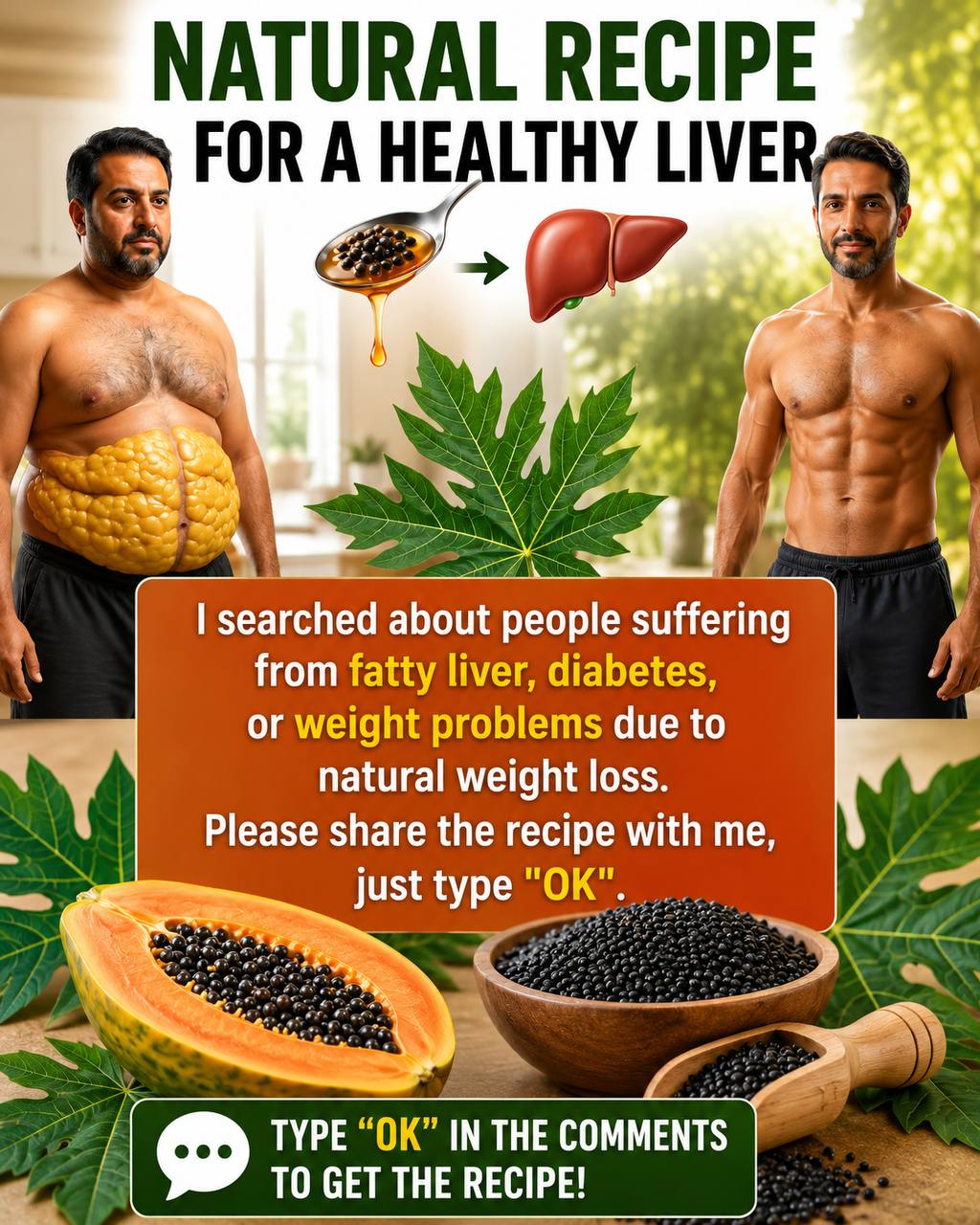
The Hidden Power of Papaya Seeds: A Natural Way to Support Liver Health and Digestive Wellness
Most people discard the small black seeds inside a papaya without a second thought. In some traditional systems of medicine, however, these seeds have long been valued for digestive support and general wellness. In recent years they have gained attention online for claims related to liver health, parasite cleansing, and detoxification.
Like many natural remedies, papaya seeds contain interesting compounds that may offer benefits when used carefully and in moderation. At the same time, they are potent and not risk-free. This article examines what papaya seeds actually contain, the potential benefits supported by traditional use and available research, the important risks, and practical guidance for safer use.
What Are Papaya Seeds?
Papaya seeds are the small, round, black or dark brown seeds found in the center cavity of the fruit. They have a sharp, peppery, slightly bitter taste that some people compare to mustard or watercress. The seeds are edible and have been used in various cultures as a spice or traditional remedy.
They contain:
- Fiber
- Healthy fats
- Enzymes (including papain)
- Antioxidants
- Glucosinolates that can convert into benzyl isothiocyanate (a bioactive compound with both potential benefits and toxicity concerns at higher doses)
Because of these active compounds, papaya seeds are more pharmacologically active than the sweet fruit flesh.
Potential Benefits for Digestion
The strongest traditional and practical use of papaya seeds relates to digestion.
Digestive enzyme support
Papaya is well known for the enzyme papain, which helps break down proteins. While most papain is concentrated in the fruit’s latex and flesh, the seeds also contribute enzymatic activity and fiber that may support digestive comfort for some people.
Fiber content
The seeds provide dietary fiber, which can aid regularity when consumed in small amounts as part of a varied diet.
Traditional anti-parasitic use
In several traditional medicine systems, papaya seeds have been used against intestinal parasites. Some laboratory and animal studies support anti-parasitic activity. Human evidence remains limited, and self-treatment of suspected parasitic infections is not recommended—proper diagnosis and medical treatment are essential.
For everyday digestive wellness, small amounts of seeds may act as a bitter digestive aid for some individuals, similar to other bitter foods that stimulate digestive secretions.
Claims About Liver Health: What the Evidence Shows
Papaya seeds are sometimes promoted for “liver cleansing” or liver protection. Here’s a clearer look at the facts:
- Some animal studies suggest that extracts of papaya seeds or related compounds may help protect liver tissue from certain toxins and reduce oxidative stress markers.
- These findings are preliminary and mostly limited to laboratory or animal models.
- There is currently insufficient high-quality human clinical evidence to conclude that papaya seeds meaningfully improve liver function, lower liver enzymes in people with liver disease, or “detox” the liver.
The liver is a self-regenerating organ that does not require special cleansing foods. The most effective ways to support liver health remain maintaining a healthy weight, limiting alcohol, managing blood sugar and blood fats, avoiding unnecessary medications or toxins, and treating underlying conditions under medical care.
Papaya seeds should not be viewed as a treatment for fatty liver disease, hepatitis, or elevated liver enzymes.
Other Claimed Benefits
Additional claims sometimes include immune support, anti-inflammatory effects, and metabolic benefits. While the seeds contain antioxidants and bioactive compounds that show activity in laboratory settings, human evidence for these broader benefits is limited. Any effects are likely modest when the seeds are eaten in small culinary amounts.
How People Typically Use Papaya Seeds
Common approaches include:
- Chewing a small number of fresh seeds (start with 3–5)
- Blending a few seeds into smoothies
- Drying and grinding the seeds to use as a peppery seasoning in small quantities
- Preparing a short-term traditional “cleanse” mixture (not recommended without professional guidance)
Moderation is critical. More is not better with papaya seeds.
Important Risks and Side Effects
Papaya seeds are biologically active and carry real risks when overused.
Toxicity concerns
Benzyl isothiocyanate and related compounds can be toxic in high amounts. Large or prolonged intake has been associated with adverse effects in animal studies.
Digestive irritation
Excessive consumption can cause stomach upset, nausea, or diarrhea.
Potential effects on fertility
Some animal research has suggested possible antifertility effects with concentrated or prolonged use. While data in humans are limited, this is a reason for caution, particularly for those trying to conceive.
Pregnancy and breastfeeding
Safety is not well established. Many experts advise avoiding medicinal amounts during pregnancy and breastfeeding.
Drug interactions and medical conditions
Because of their biological activity, papaya seeds may not be appropriate for people with certain health conditions or those taking medications. Anyone with liver disease, kidney disease, or gastrointestinal disorders should consult a doctor before use.
Allergic reactions
Though uncommon, allergic responses are possible.
Who Should Avoid or Use Extra Caution
- Pregnant or breastfeeding individuals
- People trying to conceive
- Anyone with existing liver or kidney disease
- Individuals with sensitive digestion or inflammatory bowel conditions
- Those taking prescription medications (check with a pharmacist or doctor)
- Children (unless under professional guidance)
Safer, Practical Guidelines
If you want to try papaya seeds:
- Start very small — a few seeds only.
- Use them occasionally rather than daily for long periods.
- Prefer culinary use (as a spice or blended into food) over concentrated extracts or aggressive “cleanse” protocols.
- Pay attention to how your body responds and stop if you notice digestive discomfort or other symptoms.
- Do not use them as a substitute for medical evaluation of digestive issues, liver concerns, or suspected infections.
- Keep overall liver and digestive support focused on proven foundations: balanced diet, healthy weight, limited alcohol, fiber-rich foods, regular movement, and medical care when needed.
Frequently Asked Questions
Can papaya seeds detox the liver?
No. The liver detoxifies the body continuously. No food, including papaya seeds, has been proven to perform special cleansing beyond normal physiology.
How many papaya seeds are safe to eat?
There is no established safe upper limit for regular consumption. Traditional culinary use involves small amounts. Large handfuls or daily high intake is not advisable.
Do papaya seeds kill parasites in humans?
They have shown anti-parasitic activity in some laboratory and animal studies and have traditional use for this purpose. However, self-treatment is not recommended. See a doctor for proper diagnosis and effective medication if a parasitic infection is suspected.
Are dried and fresh seeds different?
Both contain active compounds. Fresh seeds are more commonly used in traditional preparations; dried seeds can be ground as a seasoning. Potency can vary.
Can I take papaya seed extract supplements instead?
Concentrated extracts increase the risk of side effects and are less studied for long-term safety. Whole seeds in tiny culinary amounts are the more cautious approach.
Final Thoughts
Papaya seeds are an underutilized part of the fruit with a history of traditional use for digestive support and some intriguing preliminary research related to antioxidant and protective effects. Small amounts may offer mild digestive benefits for certain people and contribute beneficial plant compounds.
However, the idea that they hold “hidden power” for liver cleansing or dramatic wellness transformation overstates the current evidence and understates the risks of overuse. They are biologically active and should be treated with respect rather than consumed in large or prolonged quantities.
For most people, the safest way to enjoy any potential benefits is occasional, very moderate culinary use as part of a varied diet. Stronger therapeutic claims are not supported by robust human evidence. If you have ongoing digestive problems, liver concerns, or other health conditions, professional medical advice remains the most reliable path forward.
A balanced diet rich in diverse fruits, vegetables, fiber, and adequate protein, combined with healthy lifestyle habits, will always outperform any single “superseed.” Papaya seeds can be an interesting occasional addition—just not a miracle solution.