
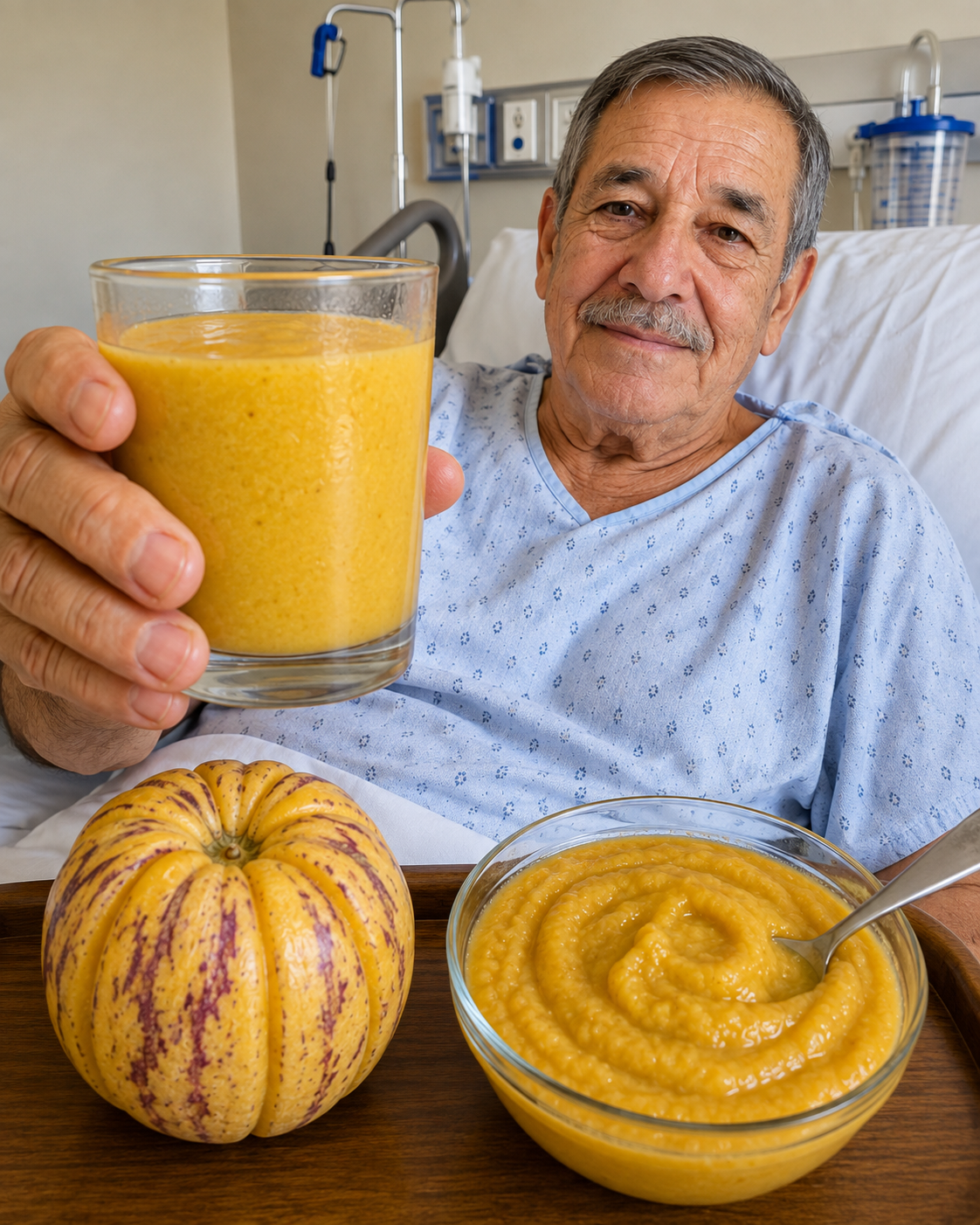
As we get older, the way our body handles food changes. Appetite can decrease, chewing and swallowing may become harder, digestion slows down, and the risk of nutrient deficiencies rises. At the same time, conditions like high blood pressure, diabetes, heart disease, and reduced kidney function become more common. This is why choosing the right foods matters more than ever after age 60 or 65.
One ordinary yellow fruit appears again and again in conversations about senior nutrition. It is inexpensive, widely available, requires no cooking, and is easy to eat even with dental issues. Many older adults already keep it on the kitchen counter. Yet few people fully understand what it can offer — and where the limits are.
That fruit is the banana.
This article takes a clear, balanced look at bananas in the context of senior nutrition. You will find the real benefits supported by nutrition science, the potential risks (especially for people with certain health conditions), practical ways to include them safely, and the key points every older adult or caregiver should know before making bananas a daily habit.
Why Bananas Are So Common in Senior Diets
Bananas check many boxes that matter for older adults:
- Soft texture that is easy to chew and swallow
- Natural sweetness that can satisfy a craving without added sugar
- Convenient single-serve packaging (the peel)
- Affordable and available year-round
- No preparation required
- Portable and non-perishable for several days
For people with reduced appetite, difficulty cooking, or limited mobility, these practical advantages are significant. But convenience alone is not enough. The nutritional profile is what makes bananas worth examining more closely.
Nutritional Profile of a Medium Banana
A medium banana (about 118 grams) typically provides:
- Calories: around 105
- Carbohydrates: 27 grams
- Fiber: 3 grams
- Natural sugars: about 14 grams
- Protein: 1.3 grams
- Fat: less than 0.5 grams
- Potassium: approximately 422 mg
- Vitamin B6: about 20–25% of the daily value
- Vitamin C: around 10–15% of the daily value
- Small amounts of magnesium, manganese, and folate
The standout nutrient for many seniors is potassium.
Potential Benefits for Older Adults
1. Support for Blood Pressure Management
Potassium helps counteract the effects of sodium and supports healthy blood pressure. Many older adults consume too much sodium (from processed foods and restaurant meals) while falling short on potassium. Including potassium-rich foods such as bananas can be part of a broader dietary pattern that supports cardiovascular health. The DASH diet, which is often recommended for blood pressure control, includes bananas as a regular option.
2. Digestive Regularity
Constipation becomes more common with age due to reduced mobility, certain medications, lower fluid intake, and changes in gut function. The fiber in bananas (both soluble and insoluble) can help promote regular bowel movements. Ripe bananas are generally gentler on the stomach, while slightly green bananas contain more resistant starch, which acts as a prebiotic.
3. Steady Energy Without Heavy Preparation
Bananas provide quick-digesting carbohydrates along with a modest amount of fiber. This combination can offer a gentle energy lift without the crash that sometimes follows sugary snacks. For seniors who experience fatigue or have irregular meal patterns, a banana can serve as a simple, reliable option between meals.
4. Ease of Eating with Dental or Swallowing Issues
Many older adults deal with missing teeth, dentures, dry mouth, or mild dysphagia. Soft, moist foods reduce the risk of choking and make eating less tiring. Mashed banana or banana mixed with yogurt is often well tolerated.
5. Vitamin B6 and Mood Support
Vitamin B6 plays a role in neurotransmitter production. While a single banana will not transform mood on its own, consistent intake of B6-rich foods contributes to overall nutritional adequacy, which supports mental well-being.
6. Potassium and Muscle Function
Adequate potassium is important for normal muscle contraction and nerve signaling. Some older adults experience muscle cramps; while the causes are often multifactorial (medications, dehydration, electrolyte shifts), maintaining good potassium status through food is generally recommended when kidney function allows it.
Important Risks and Cautions
Bananas are healthy for most people, but they are not ideal for everyone — especially in later life when chronic conditions are more common.
1. High Potassium and Kidney Function
This is the most important caution. When kidneys are impaired, they may not remove excess potassium efficiently. High blood potassium (hyperkalemia) can affect heart rhythm and become dangerous. People with moderate to advanced chronic kidney disease, those on certain blood pressure medications (ACE inhibitors, ARBs, or potassium-sparing diuretics), or anyone advised to follow a low-potassium diet should limit or avoid bananas unless cleared by their doctor or dietitian.
2. Natural Sugar Content and Blood Glucose
A medium banana contains a meaningful amount of natural sugar. For people with diabetes, portion size and ripeness matter. Riper bananas have a higher glycemic impact because the starch has converted to sugar. Pairing a banana with protein or healthy fat (for example, a small handful of nuts or a spoonful of peanut butter) can slow the rise in blood sugar.
3. Digestive Sensitivity in Some Individuals
Although many seniors tolerate bananas well, a minority experience bloating or gas, especially if they suddenly increase fiber intake. Starting with half a banana and observing tolerance is a practical approach.
4. Calorie Density for Those Watching Weight
Bananas are more calorie-dense than many other fruits. For older adults who need to manage weight carefully, treating bananas as a planned snack rather than an unlimited food is sensible.
5. Medication Interactions
Certain medications increase potassium levels. Combining those drugs with high-potassium foods without medical guidance can raise risk. Always review diet changes with a healthcare provider if you take prescription medications regularly.
How Ripeness Changes the Nutritional Effect
- Slightly green bananas: Higher in resistant starch, lower in sugar, lower glycemic impact. May be harder to digest for some people.
- Yellow with a few brown spots: Balanced sweetness and texture. This is the stage most seniors prefer.
- Very ripe / heavily spotted: Higher sugar content, softer texture, sweeter taste. Easier to mash and digest for some, but higher glycemic load.
Choosing the right stage of ripeness allows some personalization based on blood sugar needs and digestive comfort.
Practical Ways to Include Bananas in a Senior Diet
- Eat half a medium banana as a mid-morning or afternoon snack
- Mash and mix with plain Greek yogurt and a sprinkle of cinnamon
- Slice over oatmeal or whole-grain cereal
- Blend into a smoothie with spinach, protein powder, and unsweetened almond milk (if appropriate)
- Pair with a tablespoon of natural peanut butter or almond butter for better blood-sugar balance
- Use in overnight oats prepared the night before for easy breakfasts
For people with chewing difficulties, fully ripe mashed banana is often the easiest form.
What to Know First — Key Takeaways for Seniors and Caregivers
- Bananas are convenient, affordable, and nutrient-dense for many older adults.
- Their potassium content is beneficial for blood pressure and muscle function when kidney function is normal.
- People with reduced kidney function or those on certain medications must be cautious and should seek personalized advice.
- Portion control and pairing with protein or fat help manage blood sugar response.
- Ripeness affects both taste and nutritional impact — choose according to individual needs.
- Bananas should complement a varied diet, not replace other fruits and vegetables.
- Any persistent swelling, unusual fatigue, irregular heartbeat, or digestive changes should be discussed with a doctor rather than self-managed through food alone.
Who Should Be Especially Careful
- Individuals with stage 3 or higher chronic kidney disease
- People taking ACE inhibitors, ARBs, or potassium-sparing diuretics
- Those with poorly controlled diabetes
- Anyone who has been specifically advised to limit potassium
- Seniors with a history of hyperkalemia
In these situations, a registered dietitian who specializes in senior or renal nutrition can provide tailored guidance.
Final Thoughts
The humble yellow banana earns its place in many senior kitchens for good reasons: convenience, gentle texture, potassium, fiber, and natural energy. For a large number of older adults it is a practical and beneficial food.
At the same time, it is not a universal recommendation. Kidney function, medications, blood sugar control, and overall dietary pattern all influence whether bananas should be eaten daily, occasionally, or limited.
The smartest approach is individualized. Understand your own health conditions, review your medications, and when in doubt, ask your doctor or a qualified dietitian. Small, informed choices around everyday foods like bananas add up to better nutrition and better quality of life in the later years.