
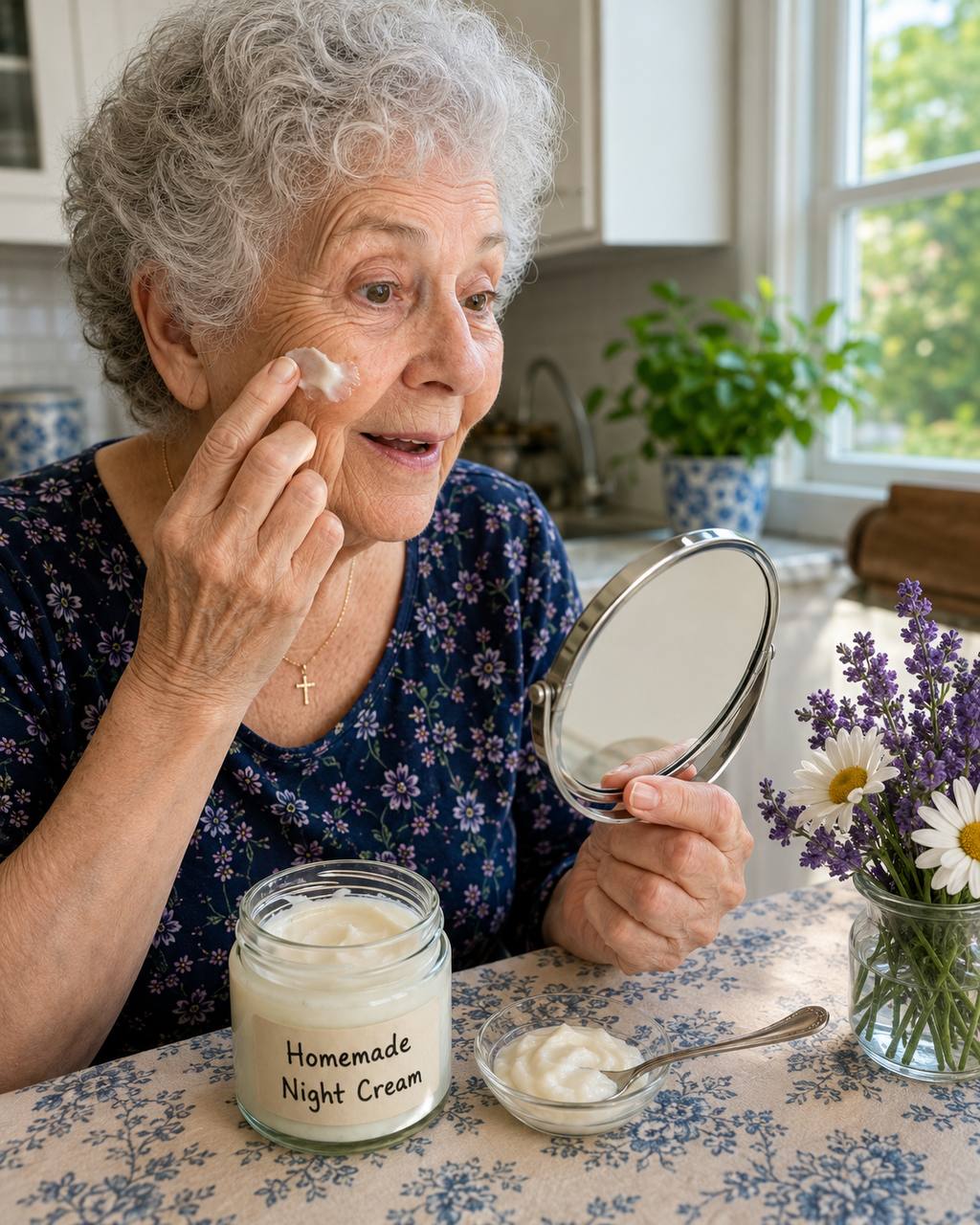
Nighttime is when skin shifts into repair mode. While you sleep, cell turnover increases, blood flow to the skin improves, and the barrier works to recover from the day’s exposure to dry air, sun, and environmental stress. For mature skin, this window is especially valuable. Oil production has often declined, the skin barrier is more fragile, and the ability to hold moisture is reduced. A thoughtful nighttime routine can support softness, improve the look of texture, and help the complexion appear more rested and comfortable by morning.
This article focuses on a simple, realistic nighttime approach that relies mainly on gentle techniques and accessible ingredients. It is designed for skin that is drier, thinner, or more reactive with age. The goal is not dramatic transformation overnight, but steady improvement in how the skin feels and looks through consistent, low-irritation care.
Why Nighttime Care Matters More as Skin Matures
During the day the priority is protection (especially sunscreen). At night the priority becomes repair and replenishment. Mature skin often shows:
- Increased dryness and tightness by evening
- Slower recovery from irritation
- More visible fine lines when dehydrated
- A tendency toward dullness when dead cells accumulate
A short, consistent nighttime routine addresses these issues without overwhelming the skin. Complicated multi-step regimens frequently lead to irritation or abandonment. Simplicity supports long-term adherence.
Core Goals of a Nighttime Routine for Mature Skin
- Thorough yet gentle cleansing to remove the day’s residue without stripping
- Light support for cell turnover and barrier repair
- Deep, lasting hydration and occlusion so moisture does not evaporate overnight
- Optional nourishment through oils or masks a few times per week
- Avoidance of anything that stings, over-exfoliates, or disrupts the barrier
The Simple Four-Step Nighttime Framework
Step 1: Gentle Cleansing
Mature skin rarely needs strong foaming cleansers. Many older adults do well with:
- A mild cream or milk cleanser
- A honey-based cleanse (raw honey massaged onto damp skin, then rinsed)
- Lukewarm water and a soft cloth if makeup and sunscreen were minimal
Avoid hot water and harsh scrubbing. Pat the face dry, leaving it slightly damp.
Step 2: Optional Treatment Layer
This is where many people add active ingredients. For homemade or low-risk options:
- A few drops of pure rosehip oil or jojoba oil
- A thin layer of plain aloe vera gel if the skin is sensitive or flushed
- A very diluted honey essence (honey mixed with a little water or hydrosol)
Those already using a dermatologist-recommended retinoid, peptide serum, or prescription product should apply it at this stage according to instructions. Homemade care should not replace medical treatments.
Step 3: Moisturize While Skin Is Damp
This is the most important step for mature skin. Apply a nourishing moisturizer or a simple homemade option immediately after cleansing or treating so water is sealed in.
Homemade-style moisturizing options:
- A small amount of plain full-fat yogurt mixed with a few drops of honey (used as a short leave-on layer on very dry nights)
- Mashed avocado blended with a drop of oil, applied thinly and left on
- A basic mixture of aloe vera gel + a few drops of jojoba or rosehip oil
Many people prefer a ready moisturizing cream and simply enhance it with a drop of oil. The key principle is occlusion: trapping hydration so the skin stays soft until morning.
Step 4: Weekly or Bi-Weekly Mask (Optional but Helpful)
One or two evenings per week, replace or follow the moisturizer with a short mask:
- Honey + yogurt mask for hydration and mild resurfacing
- Avocado + honey for richer nourishment
- Oatmeal + aloe for calming dry, tight skin
Leave on 10–15 minutes, rinse gently, then apply moisturizer.
Sample Simple Nighttime Routine
Most nights:
- Cleanse gently
- Apply treatment oil or serum if using one
- Moisturize generously on damp skin
- (Optional) Add a facial oil on top if the skin still feels dry
Two nights per week:
- Cleanse
- Apply a homemade hydrating mask for 10–15 minutes
- Rinse
- Moisturize
The entire routine can take under five minutes on regular nights and about twenty minutes on mask nights.
Helpful Homemade Ingredients and Why They Suit Mature Skin
Raw honey – Draws in moisture, soothes, and supports a healthy surface environment.
Plain yogurt – Provides gentle lactic acid and nourishing fats.
Avocado – Delivers fatty acids and vitamins that comfort dry skin.
Aloe vera – Calms and hydrates without heaviness.
Jojoba or rosehip oil – Closely compatible with skin lipids; rosehip offers additional antioxidant support.
Colloidal or finely ground oatmeal – Reduces the sensation of itch and dryness.
These ingredients are generally well tolerated when used in simple combinations and when patch-tested first.
Practical Tips for Better Results
- Apply products to slightly damp skin whenever possible
- Use upward, gentle motions rather than pulling or tugging
- Keep the bedroom humidity comfortable; a humidifier helps in dry climates or winter
- Sleep on a clean pillowcase
- Avoid heavy fragrance and essential oils if the skin is reactive
- Introduce only one new homemade mixture at a time
- Store fresh mixtures in the refrigerator and use within 24 hours
Supporting Habits That Amplify the Routine
Nighttime skincare works better when daily habits support it:
- Adequate water intake during the day
- A diet that includes healthy fats and colorful produce
- Consistent sleep schedule
- Daily sunscreen (the single most effective anti-aging step)
- Not smoking
- Managing indoor dryness
Important Cautions
Stop any homemade preparation that causes stinging, prolonged redness, or new breakouts.
People with very sensitive skin, rosacea, eczema, or open areas should keep routines extremely minimal and consider consulting a dermatologist before experimenting.
Those using prescription retinoids or undergoing professional treatments need personalized guidance about what can safely be added.
Honey should be avoided by anyone with a known allergy to bee products.
Homemade skincare is supportive, not corrective for medical skin conditions.
Frequently Asked Questions
How soon will skin feel softer?
Many people notice a difference in comfort after the first few nights of consistent moisturizing. Visible smoothness and improved texture usually become more apparent after two to four weeks.
Can I use these ideas if I already have a dermatologist-prescribed routine?
Yes, but keep the homemade elements gentle and confirm compatibility with your doctor or dermatologist.
Is it necessary to use a mask every week?
No. Some mature skin does very well with only cleansing and rich moisturizing. Masks are optional enhancement.
What if my skin feels greasy in the morning?
Use a lighter layer of oil or moisturizer, or switch to a gel-cream texture. Adjust amounts rather than abandoning hydration.
Should I exfoliate at night?
Physical scrubs are usually unnecessary and often irritating. If mild chemical support is desired, the lactic acid in yogurt used occasionally is gentler than most scrubs for mature skin.
Final Thoughts
A simple nighttime routine built around gentle cleansing, timely moisturizing, and optional nourishing masks can make a meaningful difference in how mature skin feels and looks. The emphasis stays on comfort, barrier support, and consistency rather than aggressive intervention.
Start with the basics: cleanse without stripping, moisturize while the skin is still damp, and protect the results with good daily habits. Add a homemade mask only when the skin is calm and receptive. Over time, this steady approach often yields softer, smoother-looking skin and a more comfortable complexion by morning.
If dryness, irritation, or visible aging concerns persist despite a careful routine, a dermatologist can help identify whether additional medical-grade options are appropriate. Homemade care works best as a foundation of kindness toward the skin, not as a complete substitute for professional advice when needed.