
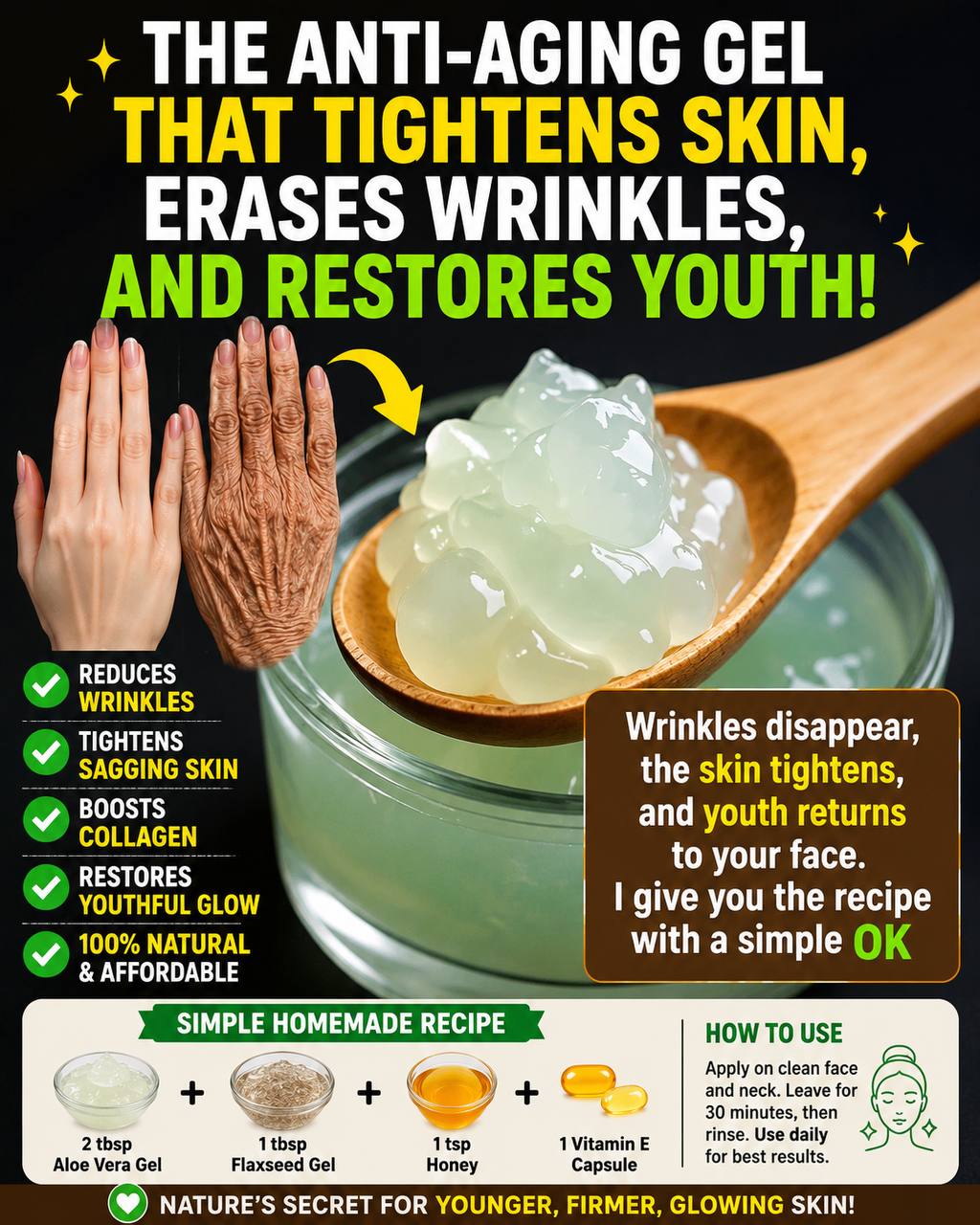
Aloe vera is one of the most widely used plants in natural skincare. The clear gel inside its leaves feels cooling, spreads easily, and has been applied to skin for generations. Many people make their own gel at home, hoping for softer texture, reduced dryness, calmer redness, or a healthier-looking complexion.
Homemade aloe vera gel can be a simple, inexpensive addition to a skincare routine. At the same time, expectations often exceed what the plant can realistically deliver. This article explains how to prepare fresh aloe gel safely, what evidence and experience suggest it can help with, what it cannot do, and how to use it wisely—especially on mature or sensitive skin.
Why Aloe Vera Is Popular for Skin
The inner leaf gel contains water, polysaccharides (including acemannan), enzymes, amino acids, vitamins, and antioxidants. These components contribute to its well-known soothing and hydrating feel.
People commonly use it for:
- Cooling and calming temporary redness or mild irritation
- Light hydration on dry or tight-feeling skin
- Supporting the skin’s comfort after sun exposure
- A lightweight, non-greasy layer under moisturizer
Its texture makes it pleasant for many skin types, including those that dislike heavy creams.
What Homemade Aloe Vera Gel Can Do
1. Provide immediate cooling and soothing
Fresh gel has a noticeable cooling effect. Many people find it comforting on skin that feels warm, tight, or lightly irritated.
2. Deliver light hydration
Aloe acts as a humectant, helping the skin attract and hold moisture. On its own it gives a temporary plump, smoother feel. Results are best when followed by a moisturizer to seal in the hydration.
3. Support skin comfort after mild environmental stress
It is frequently used after sun exposure (as a soothing agent, not a treatment for sunburn that requires medical care) or in dry indoor air.
4. Serve as a gentle base or mixer
Homemade gel can be combined with a few drops of a suitable facial oil or added to simple DIY masks for extra slip and calming properties.
5. Offer a minimal-ingredient option
For people trying to reduce fragrance, preservatives, or complex formulas, pure aloe provides a short ingredient list.
These effects are supportive and temporary. Consistency and overall skincare habits matter more than any single application.
What Homemade Aloe Vera Gel Cannot Do
It is important to keep expectations realistic:
- It will not erase wrinkles, deep lines, or sagging.
- It does not replace retinoids, prescription treatments, or professional procedures for photoaging or significant texture issues.
- It is not a proven treatment for acne, eczema, rosacea, or other medical skin conditions (though some people with mild sensitivity find it tolerable).
- It cannot “detox” the skin or dramatically change pore size.
- Homemade gel lacks the stability, standardized concentration, and preservative systems of well-formulated commercial products, so its potency and safety window are shorter.
Aloe is a helpful comfort ingredient, not a corrective anti-aging powerhouse.
How to Make Homemade Aloe Vera Gel
What you need
- 1–2 large, healthy aloe vera leaves (mature outer leaves are best)
- Sharp knife and clean cutting board
- Spoon or knife for scooping
- Blender or clean jar and fork
- Optional: clean cheesecloth or fine strainer
- Clean glass jar with lid for storage
Steps
- Choose thick, plump leaves from a healthy plant. Wash them thoroughly.
- Cut off the spiky edges and the base of the leaf.
- Stand the leaf upright or angle it for a few minutes so some of the yellow latex (aloin) drains out. This latex can irritate skin and is best minimized.
- Place the leaf flat and slice it open lengthwise.
- Scoop out the clear inner gel with a spoon, avoiding the green rind.
- Place the gel in a blender and pulse until smooth. For a thinner consistency, add a teaspoon of clean water or rose water if desired. Alternatively, mash thoroughly with a fork.
- Strain through cheesecloth if you want a smoother gel free of pulp.
- Transfer to a clean glass jar.
Storage
- Refrigerate immediately.
- Use within 5–7 days for best quality and safety. Homemade gel has no preservatives and can spoil.
- Discard if the smell, color, or texture changes.
Some people freeze the gel in ice-cube trays for longer storage and thaw small amounts as needed.
How to Use Homemade Aloe Gel on the Face and Body
- Apply a thin layer to clean skin.
- Allow it to absorb for a few minutes.
- Follow with moisturizer while skin is still slightly damp to lock in hydration—this step is especially helpful for mature or dry skin.
- Use once or twice daily if well tolerated, or several times a week.
- For the body, it can be applied to dry arms, legs, or areas that feel irritated (avoiding broken skin).
Patch test first
Apply a small amount to the inner arm or behind the ear and wait 24 hours before using it on the face.
Tips for Mature and Sensitive Skin
Mature skin often needs more occlusion and barrier support than aloe alone provides. Use the gel as a hydrating layer, then seal it with a nourishing cream or a few drops of facial oil (such as jojoba or squalane).
Sensitive or reactive skin usually tolerates pure aloe well, but the latex residue can cause issues for some. Proper draining and using only the clear gel reduces this risk. If stinging or redness occurs, discontinue use.
Safety Precautions
- Never apply aloe to open wounds, severe burns, or infected skin without medical advice.
- The yellow latex (aloin) is irritating and acts as a laxative if ingested in quantity—always remove it carefully.
- People with known allergies to plants in the Liliaceae family should be cautious.
- Oral consumption of aloe latex or non-decolorized whole-leaf extracts carries different risks and is not recommended without professional guidance. This article focuses only on topical use of the clear gel.
- If you are pregnant, breastfeeding, or have a medical skin condition, check with a healthcare provider before regular use.
Enhancing Results: Simple Pairings
- Aloe gel + moisturizer: the most effective everyday combination for smoother-feeling skin.
- Aloe as a mask base: mix with a teaspoon of plain yogurt or a few drops of honey for a short 10-minute application, then rinse and moisturize.
- After cleansing: apply aloe, wait briefly, then use your regular night cream.
Frequently Asked Questions
Can I leave aloe gel on overnight?
Yes, if your skin tolerates it. Many people use it as a light overnight layer followed by moisturizer.
Why does store-bought aloe feel different?
Commercial gels often contain stabilizers, thickeners, preservatives, and sometimes added humectants. They last longer and have consistent texture. Homemade gel is fresher but more perishable and variable.
Will homemade aloe lighten skin or remove dark spots?
There is no strong evidence that it significantly lightens skin or clears hyperpigmentation. Any brightening effect is usually temporary and related to surface hydration.
How soon will skin look or feel better?
Many notice a smoother, more comfortable feel immediately or within a few days of consistent use with moisturizer. Structural improvements in aging skin require broader habits (sunscreen, retinoids if appropriate, overall skincare, and time).
Can I use aloe from any plant?
True Aloe vera (often labeled Aloe barbadensis miller) is preferred. Other aloe species may differ in composition and irritation potential.
Final Thoughts
Homemade aloe vera gel is a simple, cooling, lightly hydrating option that can make skin feel smoother and more comfortable, especially when dryness or mild irritation is present. It works best as a supporting step—applied to clean skin and followed by a good moisturizer—rather than as a complete skincare solution.
What it can do is provide temporary hydration, soothing, and a clean feel. What it cannot do is reverse wrinkles, treat medical skin conditions, or replace evidence-based anti-aging ingredients and sun protection.
If you enjoy the ritual and your skin responds well, fresh aloe gel is an easy homemade addition. Keep batches small, store them in the refrigerator, pay attention to how your skin reacts, and maintain realistic expectations. For persistent dryness, sensitivity, or visible aging concerns, a consistent routine that includes gentle cleansing, moisturizing, daily sunscreen, and professional advice when needed will always deliver more reliable results than any single plant gel alone.