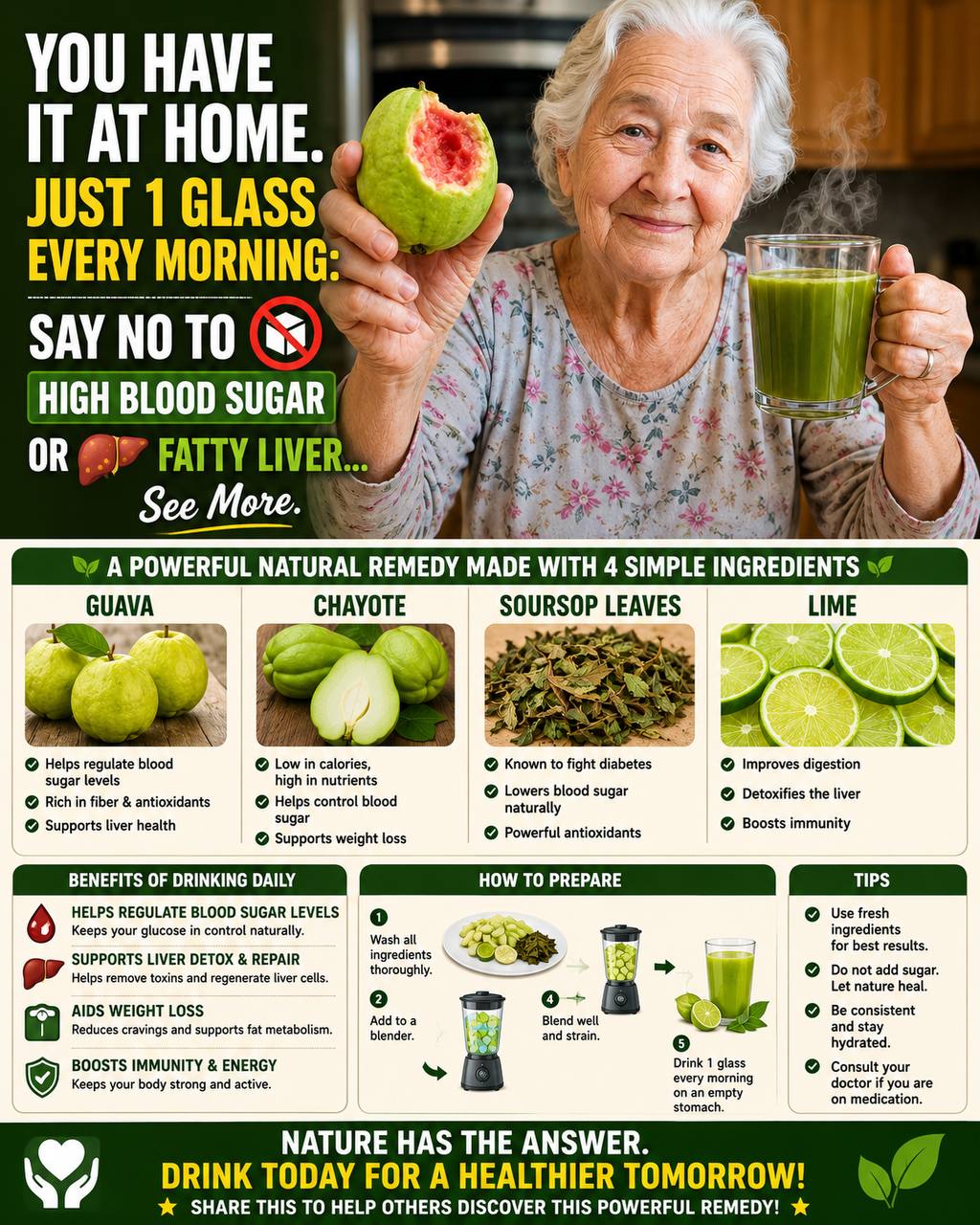
Headlines claiming that specific foods or herbs can “force” blood sugar and fatty liver to improve are common in online health content. Chayote, guava, and oregano each have traditional uses and some preliminary research behind them. However, the idea that these three ingredients reliably reverse high blood sugar or non-alcoholic fatty liver disease (NAFLD) overstates the current evidence.
This article examines what is known about each ingredient, the realistic role they may play in a healthy diet, and the much stronger factors that actually influence blood sugar and liver fat.
Understanding the Health Concerns
Blood sugar regulation involves insulin sensitivity, carbohydrate intake, physical activity, body weight, and sometimes medication. Persistent high blood sugar increases the risk of type 2 diabetes and related complications.
Fatty liver (most often non-alcoholic fatty liver disease) is strongly linked to excess weight, insulin resistance, sedentary behavior, and overall dietary patterns high in refined carbohydrates and excess calories. The most effective treatments are weight loss (even 5–10% of body weight), improved diet quality, and regular physical activity.
No single food or herb has been shown to reverse these conditions on its own.
Chayote
Chayote is a mild, low-calorie squash high in water and fiber and low in carbohydrates. Some animal and limited human studies have explored extracts or regular consumption for possible effects on blood sugar and lipid markers. Results suggest modest potential benefits, likely related to its fiber content and low energy density.
In practical terms, chayote is a healthy vegetable that can help increase meal volume without many calories. It is not a potent blood-sugar-lowering agent.
Guava
Guava fruit provides vitamin C, fiber, and antioxidants. The fruit contains natural sugars, so portion control still matters for blood sugar management. Guava leaves have been studied more specifically in some research for possible effects on glucose metabolism, but most people consume the fruit rather than leaf extracts.
Eating guava in moderation as part of a balanced diet contributes nutrients and fiber. It does not “force” blood sugar normalization, especially if overall carbohydrate intake and calorie balance are not addressed.
Oregano
Oregano is a culinary herb rich in antioxidant compounds such as rosmarinic acid and other polyphenols. Laboratory studies have examined anti-inflammatory and metabolic effects of oregano extracts. Culinary amounts used in cooking are safe for most people and add flavor without calories or sodium.
Concentrated oregano oil or high-dose supplements are a different matter and can carry risks, including digestive irritation and potential interactions. Everyday use of the dried or fresh herb in meals is the appropriate form for general wellness.
What the Evidence Does Not Support
- These foods do not reverse fatty liver disease.
- They do not replace diabetes medications or medical nutrition therapy.
- They do not produce reliable, large reductions in blood sugar when other lifestyle factors remain unchanged.
- “Detox” or rapid-turnaround claims lack scientific support.
Promising laboratory or animal findings often fail to translate into meaningful clinical results in people. Human trials on these specific ingredients remain limited in size and quality.
What Actually Helps Blood Sugar and Fatty Liver
Evidence-based strategies with far stronger support include:
- Gradual, sustainable weight loss if overweight
- A dietary pattern rich in vegetables, whole fruits in moderation, fiber, lean proteins, and healthy fats (such as a Mediterranean-style approach)
- Reducing sugar-sweetened beverages and refined carbohydrates
- Regular physical activity, including both aerobic and resistance exercise
- Managing sleep and stress
- Medical care, including appropriate medications and monitoring when needed
Foods like chayote, modest portions of guava, and culinary oregano can fit well into this pattern. They support overall diet quality rather than acting as targeted treatments.
Practical Ways to Include Them
- Add chayote to soups, stews, stir-fries, or salads.
- Enjoy guava as an occasional whole fruit serving, mindful of total carbohydrate intake.
- Use oregano generously as a seasoning for vegetables, fish, chicken, beans, and tomato-based dishes.
These uses improve flavor and nutrient density without encouraging over-reliance on any single ingredient.
Safety Considerations
- Guava is a fruit and contains natural sugar—monitor portions if you have diabetes.
- Concentrated oregano oil should be used cautiously or avoided without professional guidance.
- Anyone with kidney disease, on medications, or with advanced liver disease should discuss significant dietary changes with a doctor or registered dietitian.
- Allergic reactions, while uncommon, are possible with any plant food.
Final Thoughts
Chayote, guava, and oregano are nutritious plant foods that can play a positive role in a healthy eating pattern. Preliminary research on certain extracts or compounds is interesting but far from conclusive. The claim that they “force blood sugar and fatty liver to back off” exaggerates their impact and distracts from the lifestyle factors that produce real change.
Sustainable improvements in blood sugar control and liver fat come primarily from overall calorie balance, diet quality, physical activity, and medical support when needed. Including a variety of vegetables, herbs, and whole fruits is beneficial—not because any single item acts as a cure, but because a consistently good dietary pattern supports metabolic health over time.
If you have elevated blood sugar, prediabetes, diabetes, or fatty liver disease, work with a healthcare professional to develop a comprehensive plan. Smart food choices complement that plan; they do not replace it.