
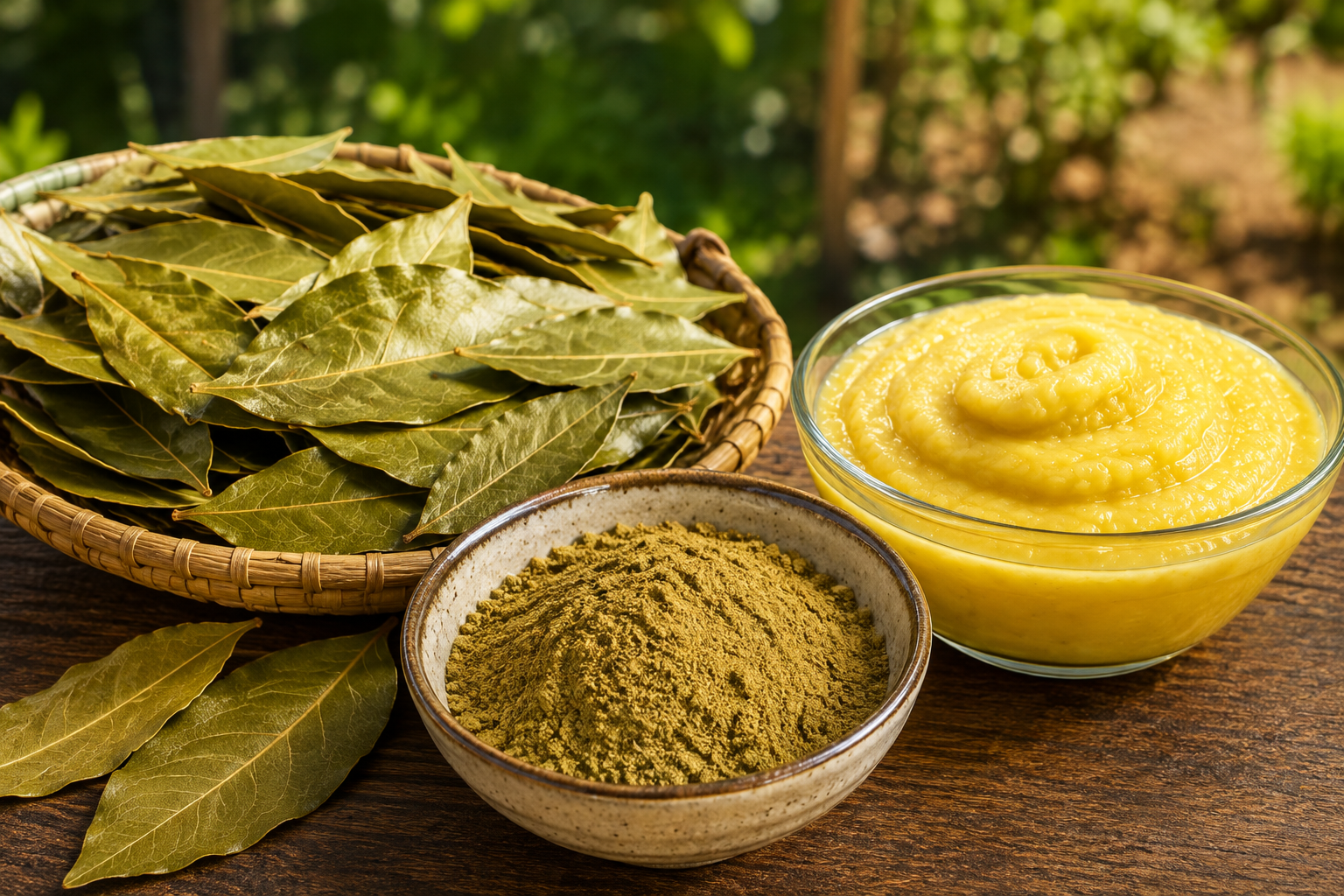
A bowl of something from the kitchen.
A glucose meter showing 265 mg/dL before.
Another reading showing 98 mg/dL after.
And one dramatic promise:
“There’s no need to go to the doctor.”
Images like this spread quickly because they offer something almost everyone with high blood sugar wants—a simple, inexpensive solution that works immediately.
But there is an important problem.
No ordinary homemade food mixture has been proven to reliably take blood glucose from 265 mg/dL to 98 mg/dL on demand.
And if your glucose repeatedly reaches numbers in the 200s, replacing medical care with an internet recipe can be risky.
The good news is that there are simple things you can do at home to better understand and manage your glucose.
They just aren’t miracle remedies.
🩸 What Does a Reading of 265 mg/dL Mean?
Blood glucose naturally changes throughout the day, particularly after eating.
But 265 mg/dL is high.
For many adults with diabetes, commonly used glucose targets are approximately 80–130 mg/dL before meals and below 180 mg/dL about two hours after a meal begins, although individual targets can differ, particularly for older adults and people with other health conditions.
So a reading of 265 shouldn’t simply be covered up with a homemade mixture.
The more useful questions are:
Why did it rise?
When was the measurement taken?
What did you eat?
Did you take your medication?
Are you sick or under unusual stress?
Is this happening repeatedly?
Those details matter.
🍯 Why a Homemade Remedy Can’t Promise 265 → 98
Blood glucose isn’t controlled by one spice, vegetable, tea, or kitchen paste.
It is strongly influenced by insulin.
In diabetes, the body may not make enough insulin, may not make any insulin, or may not use insulin effectively. Glucose then remains in the bloodstream instead of moving normally into cells.
Food also affects glucose.
So do:
- Physical activity
- Medication
- Illness
- Stress
- Sleep
- Meal size
- Carbohydrate intake
This means two glucose readings taken at different times don’t prove that whatever was eaten between them caused the change.
That’s a classic mistake with viral before-and-after pictures.
📊 Viral Claim vs. What We Actually Know
| Viral Claim | Reality |
| One homemade mixture can drop glucose from 265 to 98 | Not reliably established |
| A kitchen remedy can replace diabetes medication | No |
| High glucose should be monitored | Yes |
| Food choices can influence glucose | Yes |
| Physical activity can influence glucose | Yes |
| Medication may be necessary | Yes |
| Repeated readings above your target deserve attention | Yes |
| Very high glucose can become dangerous | Yes |
🥣 What Could the Yellow Mixture Be?
From a photograph alone, there’s no reliable way to identify exactly what’s in the bowl.
Similar internet posts use mixtures containing things like:
- Ginger
- Turmeric
- Lemon
- Garlic
- Pumpkin or squash
- Other blended fruits or vegetables
But the exact ingredient isn’t the important part.
Even if the bowl contains nutritious foods, a nutritious food isn’t automatically a glucose-lowering medication.
That distinction protects people from dangerous expectations.
🥗 The Home Method That Actually Makes Sense
Instead of searching for one mixture that supposedly “forces” glucose down, use your home routine to learn what pushes your glucose up.
That starts with your meals.
A practical plate can contain roughly:
Half the plate: non-starchy vegetables
Think:
Broccoli, leafy greens, peppers, cucumber, cauliflower, cabbage, zucchini, green beans.
One quarter: protein
Examples include:
Fish, chicken, eggs, tofu or an appropriate portion of beans.
One quarter: carbohydrate
Examples include:
Brown rice, whole grains, beans, sweet potato or another appropriate carbohydrate.
Your exact meal plan should reflect your medication, glucose response and health conditions.
🥤 Start With the Drinks
This can be one of the easiest changes.
A large sweetened beverage can deliver a substantial amount of rapidly absorbed carbohydrate without making you very full.
Consider replacing:
Regular soda → water
Sweet tea → unsweetened tea
Sugary coffee → less-sweetened coffee
Large juice → whole fruit plus water
That doesn’t mean you can never consume sugar.
It means understanding where large amounts are entering your diet.
🍎 Whole Fruit Isn’t the Enemy
People with diabetes sometimes become frightened of all fruit.
That isn’t necessary.
Whole fruit provides nutrients and fiber.
The bigger issue is portion size and how the food fits into your overall meal plan.
A whole orange and a large glass of orange juice aren’t nutritionally identical experiences.
Juice is easier to consume quickly and in larger quantities.
🚶 What About Walking After Meals?
Physical activity can help lower blood glucose because active muscles use glucose.
A gentle walk after a meal can be a useful routine for many people who are medically able to exercise.
But here’s an important exception.
The American Diabetes Association advises that if glucose is above 240 mg/dL, check for ketones before exercising. If ketones are present, do not exercise, because activity may drive glucose even higher.
That’s another reason the message “265? Just walk it off” is too simplistic.
💧 Should You Drink Lots of Water to “Flush Out Sugar”?
Stay appropriately hydrated.
But don’t turn hydration into another miracle remedy.
Drinking gallons of water doesn’t correct the underlying insulin problem.
And some people with heart or kidney conditions may have specific fluid recommendations.
Use water as hydration—not as a glucose medication.
🌿 What About Cinnamon?
Cinnamon is probably one of the most famous “blood sugar remedies” online.
It can certainly be used as a flavorful spice.
But don’t treat cinnamon as insulin or prescribed diabetes medication.
Adding cinnamon to oatmeal while following an appropriate diabetes management plan is one thing.
Swallowing large amounts because someone promised it would replace medication is another.
🌿 What About Ginger?
Ginger can add flavor without sugar and fits easily into healthy meals.
Use it in:
- Vegetable dishes
- Soups
- Stir-fries
- Unsweetened tea
But again:
Ginger isn’t an emergency treatment for glucose of 265 mg/dL.
🟡 What About Turmeric?
Turmeric contains curcumin and other compounds that have attracted metabolic research.
That’s interesting scientifically.
It still doesn’t mean a spoonful of turmeric can reliably normalize dangerously elevated glucose.
Use turmeric as food.
Don’t use it as a substitute for diabetes care.
🍋 What About Lemon Water?
Unsweetened lemon water can be an excellent replacement for soda or other sugary beverages.
That’s its biggest practical advantage.
It helps create a lower-sugar beverage choice.
It does not “wash sugar from the blood.”
🧄 What About Garlic?
Garlic can be part of a healthy eating pattern and is an excellent way to flavor vegetables, beans and proteins without relying entirely on salt.
But garlic isn’t insulin.
The same principle keeps appearing:
Healthy ingredient ≠ diabetes medication.
🍳 A Simple Blood-Sugar-Conscious Breakfast
Instead of a mystery yellow mixture, try building a complete meal.
You will need
2 eggs
Spinach
Bell pepper
Tomato
1 teaspoon olive oil
Black pepper
Optional herbs
Cook the vegetables briefly in olive oil.
Add the eggs.
Season with herbs and pepper.
Pair it with an appropriate high-fiber carbohydrate if your meal plan calls for one.
This gives you protein and vegetables without pretending breakfast can cure diabetes.
🫘 A Simple Lunch
Try:
Lentil and Vegetable Bowl
Combine an appropriate portion of lentils with:
- Tomato
- Cucumber
- Bell pepper
- Leafy greens
- Olive oil
- Lemon
Lentils provide carbohydrate, so portions still matter.
The goal isn’t zero carbohydrate.
The goal is understanding quantity and quality.
🐟 A Simple Dinner
Try:
Grilled fish + roasted vegetables + an appropriate portion of whole grain.
Add herbs, garlic and lemon for flavor.
Again, nothing magical happened.
That’s precisely the point.
Blood glucose management is usually built from repeated sensible decisions rather than one dramatic recipe.
📱 The Most Useful Home Tool May Already Be in Your Hand
A glucose meter can teach you far more than a viral recipe.
NIDDK notes that home glucose measurements can help people and their healthcare teams understand how food, activity and medication affect glucose and make appropriate adjustments.
If your clinician recommends home monitoring, record:
Time → Glucose → Meal → Activity → Medication
For example:
| Time | Glucose | What Happened |
| 7:00 AM | 128 | Before breakfast |
| 9:00 AM | 174 | About 2 hours after breakfast |
| 12:30 PM | 119 | Before lunch |
| 2:30 PM | 163 | After lunch |
One isolated number tells part of the story.
Patterns tell much more.
🧪 Don’t Forget A1C
A finger-stick reading tells you what glucose is doing at that moment.
A1C provides different information about longer-term glucose control.
That’s why one beautiful 98 mg/dL reading doesn’t prove that diabetes is controlled.
Someone can occasionally have a normal reading and still spend considerable time above target.
Likewise, a single elevated reading doesn’t tell the whole story.
💊 Medication Is Not Failure
This needs saying clearly.
Some people with type 2 diabetes can manage glucose with lifestyle changes for a period of time.
Many others require medication.
NIDDK notes that diabetes medicines—including oral drugs and injectable treatments—are often part of diabetes management alongside healthy food and physical activity. People with type 1 diabetes require insulin because their pancreas doesn’t make it.
Needing medication doesn’t mean you ate incorrectly.
And improving your diet doesn’t automatically mean medication should be stopped.
⚠️ Never Stop Insulin Because of a Home Remedy
This is particularly dangerous.
If you use insulin, don’t skip it because:
- Your glucose improved once
- You drank an herbal mixture
- Someone online said your pancreas was “reactivated”
- You started fasting
- You began a new supplement
Changes to insulin need an individualized plan.
🚫 8 Mistakes That Can Keep Glucose High
1. Chasing Miracle Foods
There is no universal food that immediately normalizes glucose.
2. Drinking Your Carbohydrates
Sugary beverages can make glucose management harder.
3. Ignoring Portion Size
Even nutritious carbohydrate foods affect glucose.
4. Skipping Medication
Medication works only when taken according to the prescribed plan.
5. Checking Glucose at Random Times
Consistent timing makes readings easier to interpret.
6. Assuming “Natural” Means Safe
Supplements and herbal products can have side effects and medication interactions.
7. Exercising Aggressively During Severe Hyperglycemia
Very high glucose requires more caution, especially when ketones are present.
8. Avoiding Medical Care
Persistent hyperglycemia isn’t something to hide with a home recipe.
🚨 What If Your Meter Says 265?
First, don’t panic over one number.
But don’t ignore it either.
Follow the high-glucose plan provided by your healthcare team.
If you have diabetes, check whether you missed medication, ate differently, are sick, or have another known trigger.
The ADA notes that glucose above 240 mg/dL is a level at which ketone testing becomes important before exercise.
If readings in this range keep happening, contact your healthcare team.
Your treatment plan may need adjustment.
🚑 When High Blood Sugar Can Become an Emergency
Very high glucose can sometimes progress into a medical emergency.
NIDDK lists warning signs associated with diabetic ketoacidosis including extreme tiredness, difficulty breathing, fruity-smelling breath and fainting.
Seek urgent medical care for severe symptoms such as:
- Trouble breathing
- Confusion
- Fainting or severe drowsiness
- Persistent vomiting
- Severe dehydration
- Fruity-smelling breath
- Very high glucose accompanied by significant ketones
Don’t prepare a kitchen mixture first.
Get medical help.
📉 Is 98 mg/dL Good?
A reading of 98 mg/dL can fall within a normal or commonly targeted range depending on when it was measured and the person’s individual situation.
But the before-and-after numbers in a picture don’t prove causation.
Imagine someone measured 265 shortly after eating.
Hours later they measured 98.
During that interval they also:
- Took medication
- Produced insulin
- Stopped eating
- Moved around
- Drank fluids
Then they ate a spoonful of a homemade mixture.
Which factor caused the decline?
You cannot determine that from two photographs.
That’s why controlled clinical research exists.
⚠️ Don’t Chase 98 at Any Cost
Lower isn’t always better.
For most people with diabetes, glucose below 70 mg/dL is considered hypoglycemia. It can cause shakiness, sweating, dizziness, hunger, confusion, weakness and other symptoms.
People taking insulin or certain diabetes medications need to be particularly careful about lows.
The goal is:
Safe glucose control.
Not:
The lowest meter number possible.
👴 Adults Over 60 May Need Individualized Targets
Older adults don’t all need identical glucose targets.
Someone who is healthy and active may have different goals from someone who has:
- Heart disease
- Kidney disease
- Frequent hypoglycemia
- Multiple medications
- Frailty
- Cognitive problems
NIDDK specifically notes that glucose goals can differ for adults over 65 and for people with other health conditions.
That’s another reason social-media remedies claiming the same target for everyone are misleading.
🩺 Why Controlling Diabetes Matters
Persistent high blood glucose can damage multiple parts of the body over time.
Diabetes increases the risk of problems involving the:
- Heart
- Kidneys
- Eyes
- Nerves
Good management can help reduce or delay complications.
That makes consistent management much more important than finding a dramatic one-time drop.
🌅 A More Useful 7-Day Home Experiment
Forget the mystery mixture.
For one week, if your healthcare plan includes home glucose monitoring:
Day 1: Record your usual routine.
Day 2: Remove sugary beverages.
Day 3: Add more non-starchy vegetables.
Day 4: Pay attention to carbohydrate portions.
Day 5: Take an appropriate short walk after meals if medically safe.
Day 6: Improve sleep and medication consistency.
Day 7: Review your glucose record.
You’re looking for patterns.
Which breakfast produced a smaller rise?
Does poor sleep coincide with higher morning glucose?
Did restaurant food change your numbers?
Do you consistently rise after a particular meal?
That information can actually help you and your healthcare team.
❓ Frequently Asked Questions
Can a home remedy lower glucose from 265 to 98?
No ordinary kitchen remedy has been established as a reliable way to produce that specific drop.
Is 265 mg/dL dangerous?
It’s significantly above commonly used glucose targets. A single reading needs context, but repeated readings this high should be discussed with your healthcare team.
Should I exercise if my glucose is 265?
The ADA advises checking urine for ketones when glucose is above 240 mg/dL. If ketones are present, don’t exercise.
Can cinnamon replace metformin?
No.
Can ginger replace insulin?
No.
Does lemon water flush sugar out?
No. Unsweetened lemon water can simply be a useful alternative to sugary drinks.
Should I stop carbohydrates completely?
Not automatically. Diabetes meal planning is individualized. Portion size, carbohydrate quality, medication and glucose response all matter.
Is 98 mg/dL too low?
Usually not by itself. Hypoglycemia is generally defined as below 70 mg/dL for most people with diabetes. Individual targets can differ.
Can type 2 diabetes improve with lifestyle changes?
Yes. Healthy eating, physical activity and weight management when appropriate can substantially improve glucose control. However, many people still require medication.
Why is my glucose high even though I didn’t eat sugar?
Blood glucose is affected by more than table sugar. Other carbohydrates, hormones, illness, stress, medication, insulin resistance and the liver’s glucose production can all matter.
When should I call my doctor?
Contact your healthcare team when readings are repeatedly above your target, when your usual treatment isn’t working, or when you aren’t sure how to respond to persistent hyperglycemia.
⭐ The Bottom Line
The most dangerous sentence in the image isn’t the glucose number.
It’s:
“There’s no need to go to the doctor.”
A homemade food mixture may be nutritious.
It may fit into a healthy meal.
It may even replace a sugary snack and indirectly help your glucose management.
But no mystery kitchen paste should be trusted to reliably transform 265 mg/dL into 98 mg/dL or replace diabetes medication.
The genuinely useful “simple home method” is less dramatic:
Measure.
Record.
Improve your meals.
Reduce sugary drinks.
Move appropriately.
Take medication as prescribed.
Watch for patterns.
And involve your healthcare team when readings remain high.
That’s not as sensational as a before-and-after photograph.
But it’s far more likely to protect your eyes, kidneys, nerves, heart—and your future.