
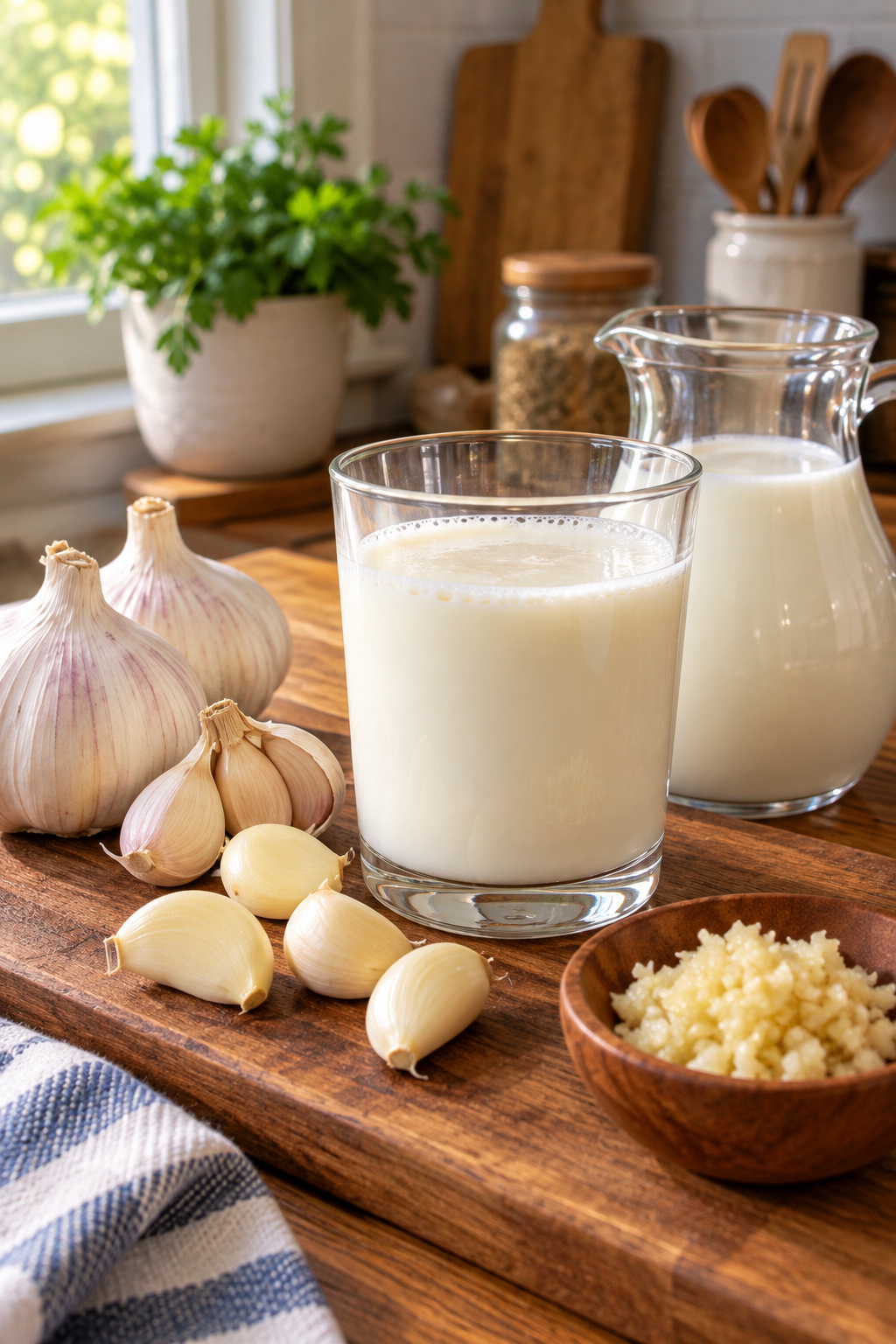
For many men over 60, the problem does not begin when the alarm clock rings.
It starts hours earlier.
Wake up.
Walk to the bathroom.
Wait for the stream to begin.
Return to bed.
Wake again.
Repeat.
By morning, the bigger complaint may no longer be urination—it may be fatigue, poor concentration, irritability, and the feeling that sleep never really happened.
An enlarged prostate, also called benign prostatic hyperplasia (BPH), can contribute to frequent nighttime urination, difficulty starting, weak or interrupted urine flow, dribbling, and the feeling that the bladder has not completely emptied. BPH becomes increasingly common with age and is the most common prostate problem in men over 50.
That makes a nighttime routine worth discussing.
But there is an important distinction:
No bedtime drink, seed mixture, herb, or “night ritual” has been proven to shrink an enlarged prostate overnight.
The most useful nighttime ritual is less dramatic: manage evening fluids, reduce bladder irritants, empty the bladder carefully, review medicines that may worsen urination, and get persistent symptoms evaluated.
🌙 Why Prostate Symptoms Can Ruin the Following Morning
BPH occurs when noncancerous prostate tissue enlarges around the urethra.
As the passage becomes more restricted, some men develop what doctors call lower urinary tract symptoms.
These can include:
- Weak urinary stream
- Difficulty getting started
- Stop-and-start urination
- Dribbling
- Urgency
- Frequent urination
- Waking repeatedly at night
- Feeling that urine remains afterward
Mayo Clinic also notes that symptom severity does not always match prostate size—a slightly enlarged prostate can sometimes cause significant symptoms, while a much larger prostate may cause surprisingly little trouble.
So simply saying “my prostate is huge” or “my prostate must be swollen” doesn’t tell the whole story.
😴 Why Nighttime Urination Can Steal Morning Energy
Waking repeatedly breaks up sleep.
Even if each bathroom trip lasts only a few minutes, repeated awakenings can interfere with restorative sleep.
The result the next morning may feel like:
Heavy eyes.
Low motivation.
Poor concentration.
Slower thinking.
Reduced exercise tolerance.
Irritability.
Or simply needing another nap.
That does not mean BPH directly “drains energy” from the body.
Often, the more immediate problem is fragmented sleep.
And treating the urinary problem—or changing habits that amplify nocturia—may improve the night and therefore the morning.
🚽 The Night Ritual Worth Trying
A practical evening routine begins several hours before bed.
The goal is not dehydration.
It is simply to stop delivering a large amount of fluid to the bladder right before sleep.
A reasonable routine may look like this:
Earlier evening: Drink normally with meals rather than saving most fluids for late evening.
Two to three hours before bed: Avoid large glasses of water, tea, juice, or other drinks unless you have a medical reason to drink them.
Later evening: Minimize caffeine and alcohol.
Before bed: Urinate without rushing.
A few minutes later: Try again if you still feel incompletely emptied.
Overnight: Keep a clear path to the bathroom to reduce fall risk.
This will not physically shrink prostate tissue overnight.
But for some men, the combination can reduce unnecessary bladder filling and make nighttime symptoms more manageable.
💧 The Mistake of Drinking a “Prostate Tea” Right Before Bed
This sounds contradictory, but it is extremely common.
A man wakes four times each night.
Then someone online recommends:
“Drink this prostate tea every night before sleeping.”
So he drinks a large mug at 10:30 p.m.
Now his bladder has even more fluid to handle.
The problem may actually become worse.
When nocturia is a major symptom, changing fluid timing often makes more sense than adding another bedtime beverage.
☕ Move Caffeine Earlier
Coffee isn’t necessarily forbidden.
Timing and individual sensitivity matter.
Caffeine can aggravate urinary urgency and frequency in some people.
If you routinely drink coffee in the evening, try moving the final caffeinated drink earlier in the day and track nighttime bathroom trips for several days.
This is a much cleaner experiment than beginning five supplements at once.
🍺 Alcohol Can Work Against the Goal
Alcohol can contribute to greater urine production and disturbed sleep.
That creates a double problem:
More bladder filling.
And poorer-quality sleep.
Someone who drinks alcohol late in the evening may blame every nighttime bathroom trip on his prostate when multiple factors are interacting.
If nighttime urination is troublesome, reducing evening alcohol is a practical trial.
🚽 Don’t Rush the Final Bathroom Trip
Some men with BPH feel they are finished urinating when residual urine remains.
Trying to force urine out by straining hard is not a good solution.
Instead:
Relax.
Take your time.
Finish normally.
Wait briefly.
Then try once more.
This is commonly called double voiding.
It does not cure BPH.
But it may help some people who feel they do not empty completely.
🧔 Weak Flow Does Not Always Mean “Bigger Prostate”
This matters.
BPH is common, but other conditions can produce similar symptoms.
Weak flow may occur with:
Bladder dysfunction.
Urethral narrowing.
Medication effects.
Prostatitis.
Neurologic problems.
Infection.
Or other urinary conditions.
That is why progressively weaker flow should not simply trigger a stronger herbal remedy.
It should trigger the question:
“What is actually causing the obstruction or poor emptying?”
🌿 What About a Natural Nighttime Prostate Drink?
Several botanical products have been studied for BPH.
However, their evidence varies considerably.
NCCIH reports limited evidence that stinging nettle and Pygeum africanum may improve certain BPH symptoms. But studies have generally been small, short, and have used different preparations and doses.
That means there may be scientific interest.
It does not mean a homemade cup before bed will open urine flow that night.
🌱 Stinging Nettle: Interesting, but Not Overnight
Stinging nettle is frequently promoted for prostate symptoms.
A randomized trial discussed by NCCIH included 620 men with BPH and reported improvement in urinary symptom scores and maximum urinary flow compared with placebo.
But there is one important detail viral posts rarely mention:
The primary treatment period was six months, not six hours.
So a headline such as:
“Drink nettle tonight and pee normally tomorrow morning”
would go far beyond what the study showed.
🌴 What About Saw Palmetto?
Saw palmetto is probably the best-known “prostate supplement.”
Yet its reputation is stronger than its evidence.
NCCIH reports that a 2023 review of 27 studies found that saw palmetto taken by itself provides little or no benefit for BPH symptoms. Two NIH-funded trials also found no improvement compared with placebo.
So buying an expensive saw-palmetto bottle should not be the automatic first response to nighttime urination.
🍅 What About Tomato or Lycopene?
Tomatoes are nutritious and contain lycopene.
But NCCIH says there is insufficient evidence to support lycopene for preventing or treating BPH.
Enjoy tomatoes because they fit a healthy diet.
Don’t expect tomato water to mechanically open the urethra before morning.
📊 Nighttime Prostate Claims vs. Reality
| Claim | What the evidence supports |
| One bedtime drink shrinks the prostate overnight | No |
| BPH can cause weak flow and nocturia | Yes |
| Reducing late fluid may help nighttime urination | Reasonable lifestyle strategy |
| Caffeine and alcohol can aggravate urinary symptoms | Possible |
| Stinging nettle may help some BPH symptoms | Limited evidence |
| Saw palmetto reliably treats BPH | Little or no consistent benefit alone |
| Lycopene shrinks an enlarged prostate | Insufficient evidence |
| BPH symptoms can interfere with sleep | Yes |
| Complete inability to urinate needs urgent care | Yes |
💊 Sometimes the Most Effective “Ritual” Is Proper Treatment
Lifestyle changes are useful, but some men have symptoms that require more.
BPH treatment can include:
Lifestyle changes.
Prescription medicines.
Minimally invasive procedures.
Surgery.
NCCIH identifies all of these as established categories of BPH management.
The right option depends on symptom severity, prostate characteristics, other health conditions, and how much urine remains in the bladder.
💊 Some Medicines Improve Flow Without Shrinking the Prostate
This distinction explains why symptoms can improve before prostate size changes.
Certain prescription medicines relax smooth muscle around the prostate and bladder outlet.
That can make urination easier.
Other medicines work gradually by influencing prostate growth.
So when someone says:
“My stream improved quickly.”
That does not automatically mean the prostate physically became smaller.
Symptom improvement and prostate shrinkage are not the same thing.
🧪 Why Checking Residual Urine Can Matter
One important question is:
How much urine remains in the bladder after you finish?
A man may urinate frequently because his bladder never completely empties.
That is different from a man whose bladder empties normally but produces excessive urine overnight.
Those two people can have similar symptoms but need different approaches.
This is another reason repeated nighttime urination deserves assessment when it persists.
🌙 Nocturia Is Not Always a Prostate Problem
This is one of the biggest misconceptions in men’s health.
Nighttime urination can also be influenced by:
Evening fluid intake.
Alcohol.
Caffeine.
Diabetes.
Sleep apnea.
Overactive bladder.
Certain medications.
Fluid retention in the legs.
Heart problems.
Kidney disease.
Sleep disorders.
So a man can have both BPH and another reason for nocturia at the same time.
Treating only the prostate may therefore leave nighttime trips unchanged.
🦵 Pay Attention to Evening Leg Swelling
Some people notice their ankles swell during the day.
When they lie flat at night, part of that fluid can move back into circulation and eventually be processed by the kidneys.
That can contribute to nighttime urine production.
If you have both:
Swollen legs during the day
and
frequent urination overnight,
mention both symptoms to your clinician.
Don’t automatically assume everything originates in the prostate.
🍬 Blood Sugar Can Be Part of the Story
High blood glucose can increase urination.
That means frequent nighttime bathroom trips may sometimes reflect diabetes or poorly controlled blood sugar rather than—or in addition to—BPH.
Mayo Clinic lists diabetes among factors associated with increased BPH risk as well.
For someone over 60 experiencing worsening nocturia plus unusual thirst, fatigue, or unexplained weight changes, checking glucose is more useful than simply increasing a prostate supplement.
😴 Sleep Apnea Can Hide Behind “Prostate” Symptoms
Someone who snores loudly, stops breathing during sleep, wakes unrefreshed, and urinates multiple times overnight may have more than one issue.
Sleep disorders can fragment sleep and increase awareness of the urge to urinate.
So when morning energy has collapsed, the question should not be limited to:
“How do I shrink my prostate?”
It may also be:
“Why am I sleeping so poorly?”
⚠️ Check Your Cold and Allergy Medicines
Some medications can make urination more difficult.
This is especially relevant when symptoms suddenly worsen during a cold or allergy flare.
If a man says:
“My stream suddenly became much weaker this week,”
one of the first questions should be:
“Did you start any new medicine?”
A pharmacist or clinician can review whether a medication may be contributing.
🚫 Don’t Force the Urine Out
When the stream becomes weak, some men push or strain aggressively.
That isn’t a treatment for obstruction.
Repeated difficulty emptying the bladder deserves evaluation because significant obstruction can lead to complications.
Mayo Clinic notes that BPH complications may include urinary retention, urinary infections, bladder stones, bladder damage, and—in severe cases—kidney damage.
🚨 Complete Urinary Retention Is Different
Suppose you feel a powerful urge to urinate.
Your bladder feels full and uncomfortable.
But almost nothing comes out.
That can be acute urinary retention.
Do not:
Drink more water.
Take another supplement.
Wait for an herbal tea to work.
Go to bed hoping it improves by morning.
Urinary retention may require catheter drainage and can become a serious health problem.
❤️ BPH Is Not Prostate Cancer
BPH means benign prostatic hyperplasia.
It is noncancerous.
Mayo Clinic notes that having an enlarged prostate is not thought to increase prostate-cancer risk.
However, that doesn’t mean urinary symptoms should automatically be ignored.
Different prostate and urinary disorders can produce overlapping symptoms.
The point of evaluation is to identify what’s actually happening.
🚩 Symptoms Worth Getting Checked
Persistent weak stream deserves medical assessment, particularly when accompanied by:
Increasing difficulty starting urination.
Feeling unable to empty.
Blood in the urine.
Painful urination.
Fever or chills.
Repeated urinary infections.
Significant pelvic discomfort.
Rapid worsening.
New urinary leakage.
Or increasingly frequent nighttime urination.
Complete inability to urinate needs urgent medical care.
🌙 A Practical 7-Day Night Routine
Instead of trying a different viral remedy every evening, run one simple experiment for a week.
Afternoon
Drink normally.
Avoid becoming dehydrated.
Dinner
Have a normal meal.
Don’t deliberately drink several large glasses just because you think more water “flushes” the prostate.
After Dinner
Reduce unnecessary fluids.
Move caffeine earlier.
Limit evening alcohol.
Before Bed
Use the bathroom.
Take your time.
Relax rather than straining.
If you still feel incompletely empty, wait a moment and try again.
During the Night
Record each bathroom trip.
Morning
Write down how rested you feel.
After seven days, you’ll have useful information rather than a vague impression.
📝 What to Track
Write down:
Bedtime.
Last caffeinated drink.
Last alcoholic drink.
Approximate evening fluid intake.
Number of nighttime bathroom trips.
Whether starting urination was difficult.
Whether flow was weak.
Whether it stopped and restarted.
Whether you felt completely empty.
Morning energy from 1–10.
This can help reveal whether changing evening habits makes any difference.
It can also provide useful information for a healthcare professional.
🚶 Don’t Forget Daytime Movement
The prostate is not the only reason to stay active.
Regular movement supports:
Cardiovascular health.
Body weight.
Blood-glucose management.
Sleep quality.
Mobility.
And overall health.
Mayo Clinic lists obesity as a BPH risk factor and notes that exercise may help lower BPH risk.
You don’t need a complicated routine.
A consistent walking habit can be a reasonable place to begin if you’re medically able.
🚫 10 Mistakes Men Over 60 Make With Weak Flow
1. Drinking a huge herbal tea immediately before bed.
More fluid can mean more nighttime bladder filling.
2. Assuming weak flow automatically means an enormous prostate.
Symptom severity and prostate size don’t always match.
3. Expecting herbs to work overnight.
Studies reporting botanical benefits generally examine much longer periods.
4. Spending heavily on saw palmetto because it is famous.
Current evidence shows little or no consistent benefit when used alone.
5. Drinking caffeine late and blaming every symptom on BPH.
6. Ignoring alcohol’s effect on nighttime urination and sleep.
7. Straining hard to force urine out.
8. Never checking whether the bladder is emptying adequately.
9. Ignoring persistent symptoms because BPH is “benign.”
10. Waiting at home when you cannot urinate at all.
❓ Frequently Asked Questions
Can a nighttime ritual improve prostate flow?
Changing late fluid intake, caffeine, alcohol, and bladder habits may help some urinary symptoms. But a nighttime routine does not physically shrink an enlarged prostate overnight.
Why is my urine stream weaker after 60?
BPH is one common explanation, but weak flow can also have other urinary or neurological causes. BPH commonly causes difficulty starting, weak or intermittent flow, dribbling, and incomplete emptying.
Why do I wake several times to urinate?
BPH may contribute, but nocturia can also involve fluid timing, caffeine, alcohol, diabetes, bladder problems, medications, sleep disorders, heart or kidney issues, and other causes.
Can poor sleep from BPH make me tired in the morning?
Repeated nighttime awakenings can fragment sleep, so frequent nocturia may contribute indirectly to morning fatigue.
Does stinging nettle improve prostate symptoms?
There is limited evidence. One randomized trial reported symptom and urinary-flow improvements after months of treatment, but that does not establish a rapid overnight effect.
Does saw palmetto improve weak urine flow?
Current NCCIH information says a 2023 review found little or no benefit from saw palmetto used alone for BPH symptoms.
Does tomato or lycopene shrink the prostate?
Evidence is insufficient to support lycopene for preventing or treating BPH.
Can an enlarged prostate damage the kidneys?
Severe obstruction can lead to urinary retention and, in some cases, bladder or kidney complications.
Is BPH cancer?
No. BPH is a noncancerous enlargement of the prostate.
What should I do if I cannot urinate at all?
Seek urgent medical care. Acute urinary retention can require immediate treatment.
⭐ The Bottom Line
When weak prostate flow turns every night into repeated bathroom trips, morning exhaustion can become almost as frustrating as the urinary symptoms themselves.
A useful nighttime routine can help reduce avoidable triggers:
Move large drinks earlier.
Reduce evening caffeine and alcohol.
Empty the bladder carefully before bed.
Track your nighttime trips.
Review medicines that may affect urination.
But there is no proven bedtime drink or herbal mixture that reliably shrinks an enlarged prostate overnight.
BPH commonly causes weak stream, difficulty starting, incomplete emptying, and nighttime urination, and effective management can include lifestyle changes, medication, minimally invasive procedures, or surgery depending on severity.
Natural products such as stinging nettle or pygeum have limited evidence for some symptoms, while saw palmetto used alone has shown little or no consistent benefit.
So if your mornings are being stolen by repeated nighttime bathroom trips, don’t chase stronger and stronger “prostate rituals.”
Improve the habits you can control—and find out why your flow is weak.
That is far more useful than waiting for an overnight miracle.