
Introduction
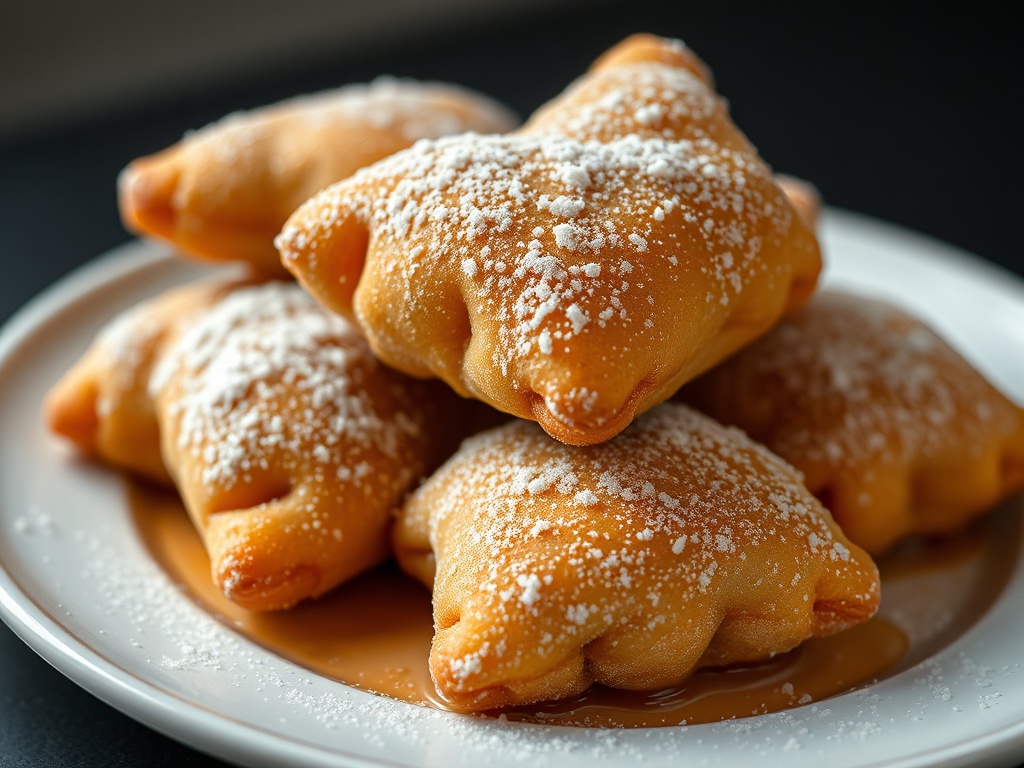
There’s a universal language spoken through the simple act of frying dough and coating it in sugar. It’s a language of comfort, celebration, and pure, unadulterated joy. Imagine: a golden, crispy exterior that gives way to a cloud-like, warm interior, each bite infused with a delicate sweetness and a hint of yeasty goodness. Then, that shimmering sugar coating, clinging to every curve, glittering like tiny edible jewels. This isn’t just a pastry; it’s an experience, a sensory delight that transports you back to childhood fairs, bustling bakeries, or cozy mornings. From the iconic American doughnut to the delicate French beignet, the rustic Italian zeppole, or the elongated Spanish churro, fried dough treats are a beloved staple across cultures, each offering its own unique charm but sharing that irresistible combination of crispy, fluffy, and sweet.
This recipe for Sugar-Coated Fried Pastries is your passport to creating that magic right in your own kitchen. We’re talking about a treat that’s surprisingly easy to make, incredibly satisfying, and guaranteed to put a smile on everyone’s face. Whether you’re whipping them up for a special breakfast, an indulgent dessert, or a delightful afternoon snack, these homemade pastries offer a level of freshness and flavor that store-bought versions simply can’t match. Get ready to embrace the warmth of freshly fried dough, the satisfying crunch of sugar, and the pure bliss of a truly comforting indulgence. This isn’t just about following a recipe; it’s about creating memories, one sweet, crispy bite at a time.
Nutritional Information
Per serving (approximate values, based on 16 pastries):
- Calories: 280
- Protein: 5g
- Carbohydrates: 35g
- Fat: 14g
- Fiber: 1g
- Sodium: 150mg
Ingredients
- 2 ¼ teaspoons (1 packet) active dry yeast
- ½ cup warm milk (105-115°F / 40-46°C)
- ¼ cup granulated sugar (for dough)
- 1 large egg, at room temperature
- ¼ cup unsalted butter, melted and cooled slightly
- 1 teaspoon vanilla extract
- ½ teaspoon salt
- 3 cups all-purpose flour, plus more for dusting
- 6-8 cups neutral oil, for frying (vegetable, canola, or peanut oil recommended)
- 1 cup granulated sugar (for coating)
- 1 teaspoon ground cinnamon (optional, for coating)
Instructions
- In a large mixing bowl, combine the warm milk and active dry yeast. Stir gently and let it sit for 5-10 minutes until the mixture becomes foamy, indicating the yeast is active. If it doesn’t foam, your yeast may be old or the milk not warm enough, and you should start again.
- To the yeast mixture, add ¼ cup granulated sugar, the egg, melted butter, vanilla extract, and salt. Whisk everything together until well combined.
- Gradually add the all-purpose flour, one cup at a time, mixing with a wooden spoon or a stand mixer with a dough hook attachment. Once all the flour is added, the mixture will be shaggy and sticky.
- Turn the dough out onto a lightly floured surface. Knead the dough for 8-10 minutes by hand, or 5-7 minutes with a stand mixer on medium-low speed, until it is smooth, elastic, and no longer sticky. It should spring back slowly when poked.
- Lightly grease a clean large bowl with a little oil. Place the dough in the bowl, turning it once to coat the top. Cover the bowl tightly with plastic wrap or a clean kitchen towel.
- Let the dough rise in a warm, draft-free place for 1 to 1.5 hours, or until it has doubled in size. This is the first proofing.
- Once doubled, gently punch down the dough to release the air. Turn the dough out onto a lightly floured surface.
- Roll the dough out to about ½-inch thickness. Using a biscuit cutter, a round cookie cutter, or even the rim of a glass (about 2-3 inches in diameter), cut out your pastry shapes. You can also form small balls by hand, or cut the dough into squares with a knife. Gather any scraps, knead them gently a few times, and re-roll to cut out more shapes until all dough is used.
- Place the cut pastries on a baking sheet lined with parchment paper, leaving some space between them. Loosely cover them with plastic wrap or a clean kitchen towel. Let them rest for a second, shorter proofing for about 20-30 minutes, or until slightly puffed up. This step is optional but contributes to a lighter pastry.
- While the pastries are proofing, prepare your frying station. In a heavy-bottomed pot or Dutch oven, pour enough neutral oil to reach a depth of 3-4 inches. Attach a deep-fry thermometer to the side of the pot. Heat the oil over medium heat until it reaches 350-375°F (175-190°C).
- In a separate shallow dish or plate, combine 1 cup granulated sugar and the optional 1 teaspoon ground cinnamon for the coating.
- Carefully lower 3-4 pastries into the hot oil using a slotted spoon or spider strainer, being careful not to overcrowd the pot. The oil temperature will drop slightly, so monitor it and adjust the heat as needed to maintain the target range.
- Fry the pastries for 1-2 minutes per side, or until they are golden brown and puffed. Use the slotted spoon or spider strainer to gently flip them.
- Once golden brown on both sides, remove the pastries from the oil and transfer them to a plate lined with paper towels to drain excess oil for about 30 seconds.
- Immediately, while still warm, transfer the drained pastries to the sugar-cinnamon mixture. Toss gently to coat thoroughly on all sides.
- Transfer the sugar-coated pastries to a wire rack. Repeat the frying and coating process with the remaining dough, working in batches. Always ensure the oil temperature returns to the correct range before adding the next batch.
- Serve warm and enjoy!
Cooking Tips and Variations
Achieving the perfect sugar-coated fried pastry hinges on a few crucial details. First and foremost, oil temperature is your best friend. Invest in a deep-fry thermometer; it’s inexpensive and will prevent greasy, undercooked pastries or burnt, raw-centered ones. Aim for that sweet spot of 350-375°F (175-190°C). If the oil is too cool, the dough will absorb too much fat, resulting in a heavy, oily pastry. If it’s too hot, the exterior will brown too quickly, leaving the inside uncooked. Also, never overcrowd your pot. Frying too many pastries at once will drastically lower the oil temperature, leading to inconsistent cooking and greasy results. Fry in small batches, allowing the oil to recover its temperature between additions.
The timing of the sugar coating is also critical. Always toss the pastries in the sugar mixture immediately after draining them from the oil. The residual heat from the freshly fried dough helps the sugar adhere beautifully, creating that delightful, slightly melted crust. If you wait too long, the sugar won’t stick as well. For the dough itself, proper kneading and proofing are key. A well-kneaded dough will be smooth and elastic, contributing to a light and airy texture. Don’t rush the proofing; allow the yeast enough time to work its magic and double the dough’s size. A warm, draft-free spot is ideal for this. If your kitchen is cool, you can proof the dough in a slightly warmed (turned off) oven or microwave.
For variations, the possibilities are endless. To add a bright, zesty note, incorporate 1-2 teaspoons of lemon or orange zest into the dough along with the wet ingredients. A pinch of freshly grated nutmeg or ground cardamom in the dough can also add a wonderfully aromatic depth. If you prefer a different coating, try a simple powdered sugar dusting for a delicate, melt-in-your-mouth finish. You can also whisk together powdered sugar with a splash of milk or lemon juice to create a quick glaze for dipping or drizzling. For a truly decadent treat, consider filling the pastries after frying. Once cooled slightly, you can inject them with fruit jam, pastry cream, or chocolate ganache using a piping bag with a small round tip. Just be sure to make your pastries slightly larger if you plan to fill them.
Storage and Reheating
Sugar-Coated Fried Pastries are undoubtedly at their absolute best when enjoyed warm, fresh from the fryer. The crispy exterior, fluffy interior, and shimmering sugar coating are a sensory delight that diminishes slightly with time. However, if you find yourself with leftovers (a rare but possible occurrence!), proper storage can help maintain their quality for a short period.
To store, allow the pastries to cool completely to room temperature. This is crucial; if you store them while still warm, condensation will form, making them soggy and causing the sugar coating to dissolve. Once cooled, place them in an airtight container. You can store them at room temperature for up to 1-2 days. If you need to keep them longer, they can be refrigerated for up to 3-4 days, although the texture will become denser. Avoid storing them in the refrigerator if you can, as the cold air tends to dry them out and make them chewier.
Reheating these pastries can bring back some of their original charm, though they won’t be quite as fresh as newly fried. For best results, avoid the microwave, as it tends to make them soft and rubbery. Instead, a toaster oven or conventional oven is preferred. Preheat your oven or toaster oven to a low temperature, around 250°F (120°C). Place the pastries on a baking sheet (you can line it with parchment paper for easy cleanup) and heat for 5-10 minutes, or until just warmed through and slightly crisped on the outside. Be careful not to overheat, as the sugar coating can melt and become sticky. If the sugar coating has diminished, you can give them a light fresh dusting of powdered sugar after reheating for a renewed presentation and a touch more sweetness.
Frequently Asked Questions
What kind of oil is best for frying these pastries?
For frying, it’s best to use a neutral-flavored oil with a high smoke point. Excellent choices include vegetable oil, canola oil, peanut oil, sunflower oil, or grapeseed oil. These oils won’t impart unwanted flavors to your pastries and can withstand the high temperatures required for deep frying without breaking down quickly. Avoid using olive oil, as it has a lower smoke point and a distinct flavor that isn’t ideal for this type of pastry.
My pastries turned out greasy. What went wrong?
Greasy pastries are almost always a sign that your oil temperature was too low. When the oil isn’t hot enough, the dough absorbs the oil instead of cooking quickly and forming a crisp exterior. Ensure you are using a deep-fry thermometer to maintain the oil temperature between 350-375°F (175-190°C). Also, avoid overcrowding the pot, as this can cause the oil temperature to drop significantly. Fry in small batches to allow the oil to recover its heat between additions.
Can I make the dough ahead of time?
Yes, you can prepare the dough in advance. After the first proofing (when the dough has doubled in size), gently punch it down, cover the bowl tightly with plastic wrap, and refrigerate it for up to 24 hours. When you’re ready to fry, remove the dough from the refrigerator and let it come to room temperature for about 30-60 minutes before rolling it out, shaping, and proceeding with the second proofing and frying instructions. This can be a great way to break up the preparation process.
Why didn’t my yeast activate or my dough rise?
There are a few common reasons for inactive yeast or a dough that doesn’t rise. First, check the expiration date on your yeast; old yeast loses its potency. Second, the temperature of your milk is crucial. If the milk is too cold (below 105°F / 40°C), the yeast won’t activate. If it’s too hot (above 115°F / 46°C), it can kill the yeast. Aim for a temperature that feels like warm bathwater. Lastly, ensure your dough is proofing in a warm, draft-free environment. Cold drafts can inhibit yeast activity. If your yeast didn’t foam after 5-10 minutes in the warm milk, it’s best to start over with fresh yeast and properly tempered milk.