
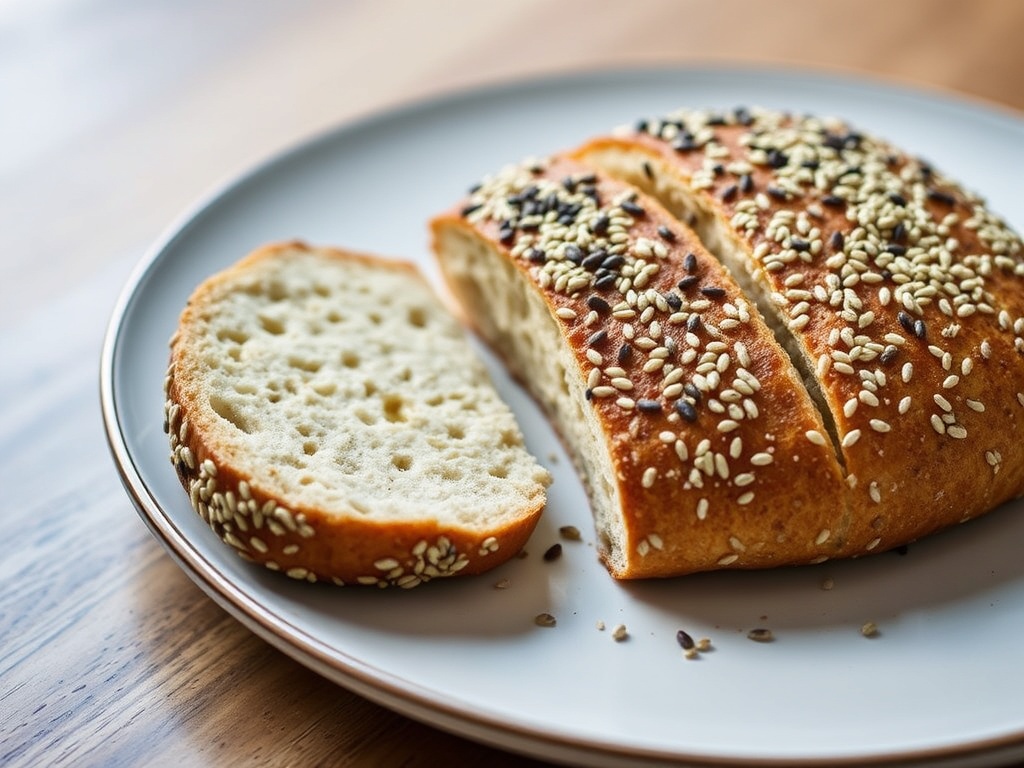
Seeded Artisan Bread Dough Recipe
There’s a special kind of magic that happens when you bake bread at home. The aroma that slowly fills your kitchen, a comforting blend of yeast, flour, and warmth, is enough to make anyone’s mouth water. Then there’s the moment you pull a beautifully golden, crusty loaf from the oven – a creation born from simple ingredients and your own hands. This isn’t just any bread; we’re talking about artisan bread, a rustic delight characterized by its natural, unadorned beauty, often a chewy interior, and a satisfyingly crisp crust. It’s a testament to the power of time and minimal intervention, relying on slow fermentation to develop deep, complex flavors.
This seeded artisan bread dough recipe takes that homemade magic to a new level. By incorporating a medley of nutritious seeds, we’re not only adding an incredible nutty flavor and delightful textural contrast but also boosting its nutritional profile. Imagine biting into a slice where each crunch reveals the earthy notes of sunflower and pumpkin seeds, balanced by the subtle richness of flax and sesame. What makes this recipe truly special is its accessibility. While “artisan” might sound intimidating, this method is designed for home bakers of all skill levels, even beginners. With minimal kneading (or even a no-knead approach), you’ll be amazed at the professional-quality loaf you can achieve right in your own kitchen.
The satisfaction of slicing into your very own, freshly baked seeded artisan loaf is unparalleled. It’s more than just food; it’s an experience, a connection to a timeless culinary tradition. Whether you serve it alongside a hearty soup, slather it with butter, or simply enjoy it on its own, this bread promises to be a staple in your home. Get ready to impress yourself and everyone lucky enough to share a slice of your delicious, homemade creation.
Nutritional Information
Per serving (approximate values, based on 12 slices per loaf):
- Calories: 220
- Protein: 8g
- Carbohydrates: 38g
- Fat: 4g
- Fiber: 3g
- Sodium: 350mg
Ingredients
- 4 cups (500g) Unbleached Bread Flour (or All-Purpose Flour)
- 1 ½ cups (360ml) Lukewarm Water (105-115°F / 40-46°C)
- 1 teaspoon (3g) Active Dry Yeast
- 2 teaspoons (10g) Fine Sea Salt
- ¼ cup (30g) Mixed Seeds (e.g., 1 tbsp sunflower, 1 tbsp pumpkin, 1 tbsp flax, 1 tbsp sesame)
- 1 teaspoon Honey or Granulated Sugar (optional, for yeast activation)
- Extra flour for dusting
- Extra seeds for topping (optional)
Instructions
- Activate the Yeast: In a large mixing bowl, combine the lukewarm water and honey/sugar (if using). Sprinkle the active dry yeast over the water. Let it sit for 5-10 minutes until foamy, indicating the yeast is active. If no foam appears, your yeast may be old, or the water temperature was incorrect.
- Combine Dry Ingredients: In a separate bowl, whisk together the bread flour and fine sea salt.
- Mix the Dough: Pour the activated yeast mixture into the bowl with the flour and salt. Using a sturdy spoon or a dough whisk, mix until all the flour is hydrated and a shaggy, sticky dough forms. Do not overmix; just ensure there are no dry pockets of flour. This recipe is designed for minimal kneading.
- First Rise (Bulk Fermentation): Cover the bowl tightly with plastic wrap or a damp kitchen towel. Let the dough rise at room temperature (ideally 70-75°F / 21-24°C) for 8-12 hours, or until it has at least doubled in size, looks very bubbly, and has a jiggly, airy texture. This slow rise develops significant flavor.
- Perform Stretch and Folds (Optional but Recommended): For even better gluten development and structure, perform a few sets of stretch and folds during the first 2-3 hours of the bulk fermentation. With wet hands, gently grab a portion of the dough from the edge, stretch it upwards, and fold it over the center. Rotate the bowl a quarter turn and repeat this process 3-4 times. Cover and let it continue to rise.
- Incorporate Seeds: After the first rise, gently sprinkle the mixed seeds (¼ cup) over the dough. Using your hands or a dough scraper, gently fold the seeds into the dough a few times, being careful not to deflate it too much.
- Shape the Dough: Lightly flour your work surface. Gently scrape the dough out of the bowl onto the floured surface. Using a dough scraper or your hands, gently fold the edges of the dough towards the center to create a loose ball. Flip the dough over so the seam is underneath. Using your hands, cup the dough and gently pull it towards you, rotating it slightly, to create surface tension and form a tight, round ball (or an oval, if you prefer). Avoid pressing too hard or deflating the dough.
- Second Rise (Proofing): Lightly flour a proofing basket (banneton) or a medium-sized bowl lined with a floured kitchen towel. Carefully transfer the shaped dough, seam-side up, into the prepared basket/bowl. If desired, sprinkle some extra seeds on the bottom of the basket/towel so they adhere to the top of the loaf. Cover the basket/bowl with plastic wrap or a damp towel. Let it proof at room temperature for 1-2 hours, or until puffy and slightly expanded (it won’t double again like the first rise). Alternatively, for a deeper flavor and easier handling, cold proof the dough in the refrigerator for 8-16 hours.
- Preheat Oven & Dutch Oven: About 30-45 minutes before you’re ready to bake, place your Dutch oven (with its lid) into your oven. Preheat the oven to 450°F (230°C). It’s crucial that the Dutch oven gets very hot.
- Prepare for Baking: When the oven and Dutch oven are fully preheated, carefully remove the hot Dutch oven from the oven (use oven mitts!). Gently invert the dough from the proofing basket onto a piece of parchment paper. If you cold-proofed, the dough will be firmer and easier to handle.
- Score and Bake: Using a sharp knife, razor blade (lame), or scissors, score the top of the dough with a design (e.g., a simple cross, a single slash). This allows the bread to expand properly. Carefully lower the parchment paper with the dough into the hot Dutch oven. Place the lid back on.
- Bake with Lid On: Bake with the lid on for 30 minutes. The trapped steam creates a beautiful, crispy crust.
- Bake with Lid Off: Remove the lid from the Dutch oven. Continue to bake for another 15-20 minutes, or until the crust is a deep golden brown and the internal temperature reaches 200-210°F (93-99°C).
- Cool Completely: Carefully remove the bread from the Dutch oven and transfer it to a wire rack. Let the bread cool completely for at least 1-2 hours before slicing. Slicing too soon will result in a gummy interior.
Cooking Tips and Variations
Achieving a perfect artisan loaf is a rewarding process, and a few key tips can elevate your baking experience. First and foremost, accuracy is paramount in bread making. While general measurements can work, investing in a kitchen scale for measuring flour and water will yield the most consistent and best results. Flour hydration can vary, and precise ratios are crucial for the dough’s texture. Another golden rule is to never rush the proofing process. Bread making is an exercise in patience; letting the dough rise fully, whether during the bulk fermentation or the final proof, is essential for a light, airy crumb and good flavor development. Don’t be afraid to embrace imperfection; artisan bread is inherently rustic, and its unique character is part of its charm. Every loaf tells a story.
For those looking to customize, the world of seeds is your oyster! Experiment with different blends – poppy seeds, caraway seeds, nigella seeds, or even a touch of rolled oats can add new dimensions of flavor and texture. Toasting your seeds lightly in a dry pan before adding them to the dough can significantly enhance their nutty aroma and taste. If you have the time, consider cold proofing your dough in the refrigerator overnight for the second rise. This slower proofing process develops more complex flavors and makes the dough much easier to handle the next day. It also adds flexibility to your baking schedule. For a chewier crust, especially if you’re not using a Dutch oven, you can mist the dough with water before baking, or place a pan of hot water in the bottom of your oven to create steam. Finally, remember that flour absorption can vary based on humidity and brand; don’t be afraid to adjust the water slightly, adding a tablespoon more if the dough feels too dry, or a sprinkle of flour if it’s excessively sticky.
Storage and Reheating
To keep your freshly baked seeded artisan bread at its best, proper storage is key. For consumption within 2-3 days, store the whole loaf at room temperature in a breathable bread bag, a linen bread bag, or wrapped loosely in a clean kitchen towel. Avoid airtight containers or plastic wrap at room temperature, as this can trap moisture and cause the crust to soften and the bread to mold more quickly. Never refrigerate your bread, as the cool temperatures can actually accelerate staling, making it dry and tough.
For longer storage, freezing is your best option. Once the bread has completely cooled, you can freeze it whole, half, or sliced. To freeze, wrap the loaf tightly in plastic wrap, then an additional layer of aluminum foil, or place it in a freezer-safe bag. This double layer helps prevent freezer burn. Frozen bread can last for up to 2-3 months without significant loss of quality. To reheat a whole frozen loaf, unwrap it and bake directly from frozen in a 350°F (175°C) oven for about 20-30 minutes, or until warmed through and the crust is crisp again. For frozen slices, you can simply pop them into a toaster or toaster oven until golden and heated. This method allows you to enjoy that “freshly baked” taste and texture whenever you desire.
Frequently Asked Questions
Why is my bread dense and not airy?
A dense crumb is usually a sign of under-proofing, meaning the dough didn’t have enough time to rise and develop sufficient gas bubbles. It could also be caused by using old or inactive yeast, too much flour, or not developing enough gluten through initial mixing and optional stretch and folds. Ensure your yeast is fresh and your dough has significantly expanded before baking.
My bread came out flat and didn’t rise much in the oven. What happened?
Flat bread can be a result of over-proofing, where the dough rises too much and then collapses, losing its structure. It can also happen if the dough doesn’t have enough gluten development to hold its shape, or if it’s handled too roughly during shaping, deflating all the air. Make sure your final proof isn’t too long, and handle the dough gently.
Why is my crust not crispy, even after baking in a Dutch oven?
A soft or pale crust often indicates that the oven, or more specifically the Dutch oven, wasn’t hot enough when the bread went in. Ensure you preheat your oven and Dutch oven for at least 30-45 minutes. Baking with the lid on for the initial phase creates steam for a good crust, and then baking with the lid off allows the crust to crisp up and brown. Make sure you bake long enough for the desired color and crispness.
Can I make this recipe without a Dutch oven?
While a Dutch oven is highly recommended for achieving the best crust and oven spring, you can still bake this bread on a baking stone or a heavy baking sheet. To create a steamy environment, place a pan of hot water on the bottom rack of your oven during preheating. You can also mist the dough with water before baking. The crust might not be as intensely crispy, but it will still be delicious.