
Hook: One Dish, Big Flavour, Family‑Winner
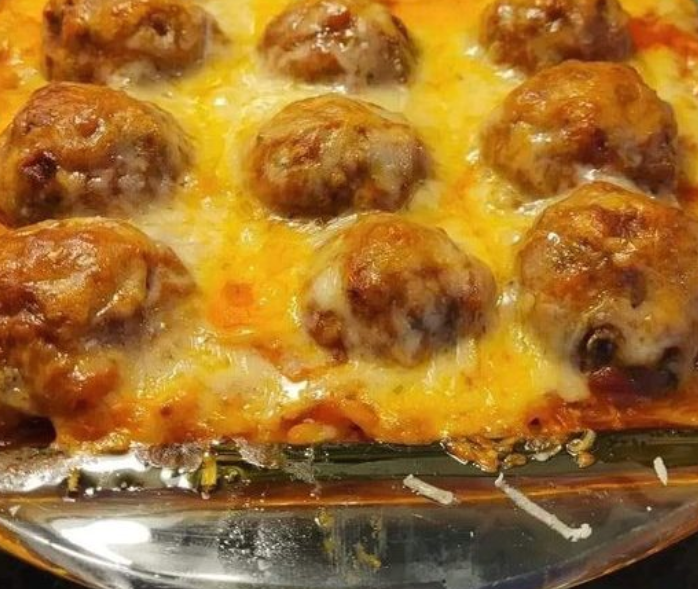
Imagine a bubbling casserole straight from the oven: golden melted cheese, hearty meatballs, strands of spaghetti soaked in rich marinara, and the aroma of basil and oregano dancing in the air. That’s the magic of this “Oven‑Baked Spaghetti Meatball Casserole” — a comfort‑food classic that brings together pasta, meat, and cheese in the most satisfying way. Whether you’re feeding a crowd, prepping for a busy weeknight, or treating yourself to something special, this dish hits all the right notes.
Introduction: Why This Casserole Works for Weeknights & Gatherings
It’s no secret that pasta + meatballs + sauce + cheese = food that makes people sit up and take notice. But what makes this casserole version truly shine is its layered structure and one‑dish simplicity. You’ve got homemade meatballs (or at least well‑seasoned ones) baked together with spaghetti in sauce, topped with melted mozzarella and Parmesan. The best part? It comes together with easy prep, uses familiar ingredients, and delivers a gourmet feel without the fuss.
In this article, we’ll walk you through the ingredients, method, chef‑style tips, health and safety considerations, nutrition insight, FAQs, and ways to make it your own. Let’s get into it.
Ingredient List & Prep Notes
**Meatball Ingredients:**
- 1 pound ground beef
- ½ cup breadcrumbs
- ¼ cup grated Parmesan cheese
- ¼ cup milk
- ¼ cup finely chopped onion
- 1 egg
- 1 tsp salt
- ½ tsp black pepper
- ½ tsp garlic powder
- ½ tsp dried oregano
- ½ tsp dried basil
**Casserole Ingredients:**
- 12 ounces spaghetti
- 1 jar (24 ounces) marinara sauce
- 1½ cups shredded mozzarella cheese
- ¼ cup grated Parmesan cheese
- Fresh basil leaves (optional, for garnish)
Prep notes:
- Pre‑heat your oven to 375 °F (≈190 °C) and lightly grease a 9×13‑inch baking dish.
- Make the meatball mix by combining ground beef, breadcrumbs, Parmesan, milk, chopped onion, egg, and seasonings; then shape into meatballs about 1‑1½ inches in diameter.
- Cook the spaghetti according to package directions until al dente; drain and set aside.
- Brown the meatballs in a skillet over medium heat in a little olive oil (just enough to sear all sides). This enhances flavour and texture before baking.
Step‑by‑Step Cooking Method
- Prepare the oven & dish: As above, pre‑heat to 375 °F and grease the baking dish.
- Make and brown meatballs: Mix ingredients, shape the meatballs, and sear until browned on all sides (not cooked through at this point). This helps lock in juices and adds flavourful crust.
- Boil pasta: Cook the spaghetti until al dente, drain and set aside. The al dente state ensures the noodles hold up during baking and don’t get mushy.
- Build the base: Spread about half the marinara sauce on the bottom of the prepared dish. Then place the cooked spaghetti over the sauce, spreading evenly.
- Layer sauce & meatballs: Pour the remaining marinara sauce over the spaghetti; gently toss to coat if desired. Arrange the browned meatballs across the top of the pasta layer.
- Cheese & bake: Sprinkle the shredded mozzarella and the ¼ cup Parmesan evenly over the dish. Cover with foil and bake for ~25 minutes. Then remove the foil and continue baking another 10–15 minutes (or until cheese is fully melted, bubbling, and the meatballs reach an internal temperature of ~160 °F / 71 °C).
- Garnish & serve: Remove from oven, allow to sit for a few minutes, then garnish with fresh basil leaves (if using). Serve warm and enjoy the gooey cheese, hearty meatballs and satisfying pasta base.
Chef‑Style Tips & Variations
To elevate this dish and tailor it to your taste or kitchen style, here are some professional touches and creative variations:
- Choose well‑seasoned meatballs: The mix of breadcrumbs, Parmesan, milk and seasonings gives the meatballs depth and moisture. Maintaining a good beef‑to‑seasoning ratio ensures flavour throughout.
- Sear then bake: Many chef‑driven recipes emphasise browning the meatballs first to build flavour and texture. For example, the skillet browning step adds that caramelised surface which enhances the final dish. :contentReference[oaicite:0]{index=0}
- Mind the pasta texture: Because the spaghetti will continue to cook in the oven, you want al dente so the bake doesn’t over‑soften it. Various baked spaghetti recipes emphasise this. :contentReference[oaicite:1]{index=1}
- Layer strategically: Starting with sauce on the bottom helps prevent noodles from sticking and ensures even coverage. Then building up the pasta, sauce, meatballs and cheese layers creates depth and structural integrity.
- Cheese combinations: The mozzarella gives gooey melt, while Parmesan adds sharp umami flavour. You can mix in part‑skim mozzarella if you prefer lighter, or add a sprinkle of Romano or provolone for variety.
- Flavor tweaks:
- Add chopped spinach, mushrooms or roasted red peppers into the spaghetti layer for extra veggies and texture.
- Swap part of the beef for Italian sausage to increase flavour intensity.
- Use whole‑wheat or gluten‑free spaghetti for dietary adjustments.
- Finish the dish under a broiler for 1–2 minutes at the end to get that golden browned cheese top.
Health & Safety Considerations
Because this is a rich and hearty casserole, it’s wise to keep a few health and safety pointers in mind:
- Meat safety: Ensure the meatballs reach an internal temperature of ~160 °F (71 °C) before serving. The recipe timing above is designed to get there, but if your meatballs are larger than ~1½ inches, you may need additional bake time or a thermometer check.
- Food‑allergen alerts: The recipe contains dairy (Parmesan, mozzarella, milk) and wheat (breadcrumbs, spaghetti). If serving guests with restrictions, consider substitutions: gluten‑free spaghetti + breadcrumbs, dairy‑free cheese/milk alternatives.
- Sodium & fat vigilance: With cheese and meat, the fat content and sodium may be higher. To reduce impact: use part‑skim mozzarella, pick a lower‑sodium marinara sauce, cut back on added salt, increase veggies. Nutrition data for baked spaghetti casseroles show moderate to high fat and sodium. :contentReference[oaicite:2]{index=2}
- Storage & leftovers: After baking, cool the casserole within 2 hours, store in an airtight container in the fridge, and use within 3–4 days. Re‑heat thoroughly to safe temperatures. Some recipes note you can assemble ahead or freeze the unbaked dish. :contentReference[oaicite:3]{index=3}
Nutrition & Health Benefits Table
Here’s an approximate nutrition breakdown per serving (assuming ~6 servings from this recipe). Values will vary depending on ingredient brands and portion size. Use as a guideline.
| Nutrient | Approximate Amount per Serving | Notes / Health Benefit |
|---|---|---|
| Calories | ~500‑650 kcal | A hearty main‑dish portion; suitable for a full meal when paired with vegetables. |
| Total Carbohydrates | ~45‑55 g | From spaghetti and sauce; provides energy. |
| Protein | ~25‑30 g | From beef, meatballs and cheese – supports muscle repair & satiety. |
| Total Fat | ~20‑30 g | From beef and cheese; moderate portion advisable if eating frequently. |
| Saturated Fat | ~8‑10 g | Cushion portion if managing heart‑health; choose leaner beef to reduce. |
| Sodium | ~700‑900 mg (or more) | Beware—cheese, sauce and processed ingredients drive sodium; choose lower‑sodium variants if needed. |
| Fiber | ~3‑5 g | Includes minimal veggies; increase by adding vegetables or swapping to whole‑wheat pasta. |
Health takeaway: This casserole balances comfort and nutrition — good protein, enjoyable flavour, and an opportunity to add vegetables or lighter ingredients to make it more balanced.
Why This Dish Is a Family Favourite & Meal‑Prep Hero
Here’s what makes this casserole more than just another baked pasta meal:
- One‑dish convenience: Everything comes together in a baking dish and finishes in the oven — prep is streamlined, cleanup minimal. Many “dump‑and‑bake” casseroles highlight this benefit. :contentReference[oaicite:4]{index=4}
- Comfort food factor: Cheese, meatballs, pasta and sauce – all classic flavours that evoke satisfaction and warmth.
- Scalable & adaptable: Whether you’re feeding a family of 4 or hosting 10, you can scale up, swap pasta types, add veggies or change meats.
- Make‑ahead friendly: You can assemble earlier, refrigerate or even freeze, then bake when needed. One well‑used recipe flagged this as great for busy nights. :contentReference[oaicite:5]{index=5}
Serving Suggestions & Side Pairings
To round out the meal and provide balance, consider the following pairings:
- A crisp green salad with vinaigrette — the acidity helps cut through richness.
- Roasted or steamed vegetables such as broccoli, zucchini, asparagus or green beans — add colour and fibre.
- Garlic bread, crusty loaf or focaccia to soak up extra sauce — great for serving family style.
- A light dessert or fresh fruit to follow, keeping the meal satisfying without being overly heavy.
Frequently Asked Questions (10 Detailed FAQs)
- 1. Can I use frozen meatballs instead of making my own?
- Yes — you absolutely can. If using frozen pre‑cooked meatballs, you can skip the browning step or briefly sauté for flavour, then proceed with building and baking. Just ensure they are heated through during the bake.
- 2. What if I want to use whole‑wheat or gluten‑free spaghetti?
- No problem — simply swap in your preferred pasta type and cook to al dente according to its package directions. Note that gluten‑free pasta can sometimes soften more during baking, so reduce cooking time slightly and monitor texture.
- Can I add other vegetables into the casserole?
- Absolutely! Diced bell peppers, mushrooms, spinach, zucchini or even roasted eggplant all work well when mixed into the spaghetti layer before baking. It adds nutrition, colour and additional flavour layers.
- What size baking dish should I use?
- A 9×13‑inch (approx 2.5‑3 quart) baking dish is ideal for the portions given. If you double the recipe, use two dishes or a larger casserole dish and adjust bake time accordingly.
- How long can I make this ahead of time?
- You can assemble the casserole up to 24 hours ahead, cover and refrigerate. When ready to bake, let it sit out ~10 minutes to take the chill off, then bake as instructed (you may need a few extra minutes). Some recipes even allow freezing of the unbaked dish for future meals. :contentReference[oaicite:6]{index=6}
- What internal temperature should the meatballs reach?
- Beef meatballs should reach ~160 °F (71 °C) internally to ensure safe doneness. This is achieved during the bake stage when covered and then uncovered as per the method.
- Can I reduce the cheese or use lower‑fat versions?
- Yes — if you’re looking to lighten the dish, you can reduce the amount of cheese, use part‑skim mozzarella, or substitute a lighter cheese. You’ll still get the layered texture and flavour, albeit a bit less richness.
- How do I prevent the pasta from getting soggy?
- Cook the spaghetti to al dente (slightly firm). Avoid over‑cooking in the pot. Also drain well and toss with a little sauce before layering, so the pasta doesn’t sit dry or absorb too much liquid during baking.
- Can I broil the top to get extra browning?
- Yes — after the final bake, you can switch the oven to broil for 1–2 minutes (watching very closely) to get a golden‑brown cheese crust. Just make sure the dish is already hot and bubbling before broiling.
- How should I store leftovers and reheat them?
- Cool leftovers within 2 hours, store in an airtight container in the fridge. Use within 3–4 days. Reheat individual portions in the oven at ~350 °F until warmed through, or in the microwave on medium heat, stirring halfway. Casseroles like this also often freeze well — portion and freeze, then thaw overnight and reheat. :contentReference[oaicite:7]{index=7}
Internal Links & Further Reading
To enrich your site and link to related content, here are some suggested internal links (hypothetical URLs) you might include:
- One‑Dish Pasta Bakes for Weeknight Dinners — Explore more family‑friendly pasta casseroles.
- Family‑Favourite Meatball Recipes — Dive into more meatball‑centric dishes and variations.
- Cheesy Comfort Casseroles You’ll Love — Find other cheese‑topped baked dishes for comfort food nights.
Final Thoughts: Bake, Slice & Share the Joy
This Oven‑Baked Spaghetti Meatball Casserole isn’t just a meal — it’s an experience. It brings together the flavours we love, textures we crave, and the comforting warmth of an oven‑baked dish shared around the table. Whether you’re cooking for yourself, your family, or a gathering of friends, this recipe offers a reliable, satisfying result.
As you pull it from the oven and watch the cheese bubble, meatballs nestle among spaghetti strands, and aromas fill the kitchen, you’ll know you’ve done more than just cook — you’ve created something memorable. So grab your baking dish, layer in the sauce, pasta, meatballs and cheese, and set the stage for a dinner that makes everyone linger a little longer. Enjoy every forkful! 🍴